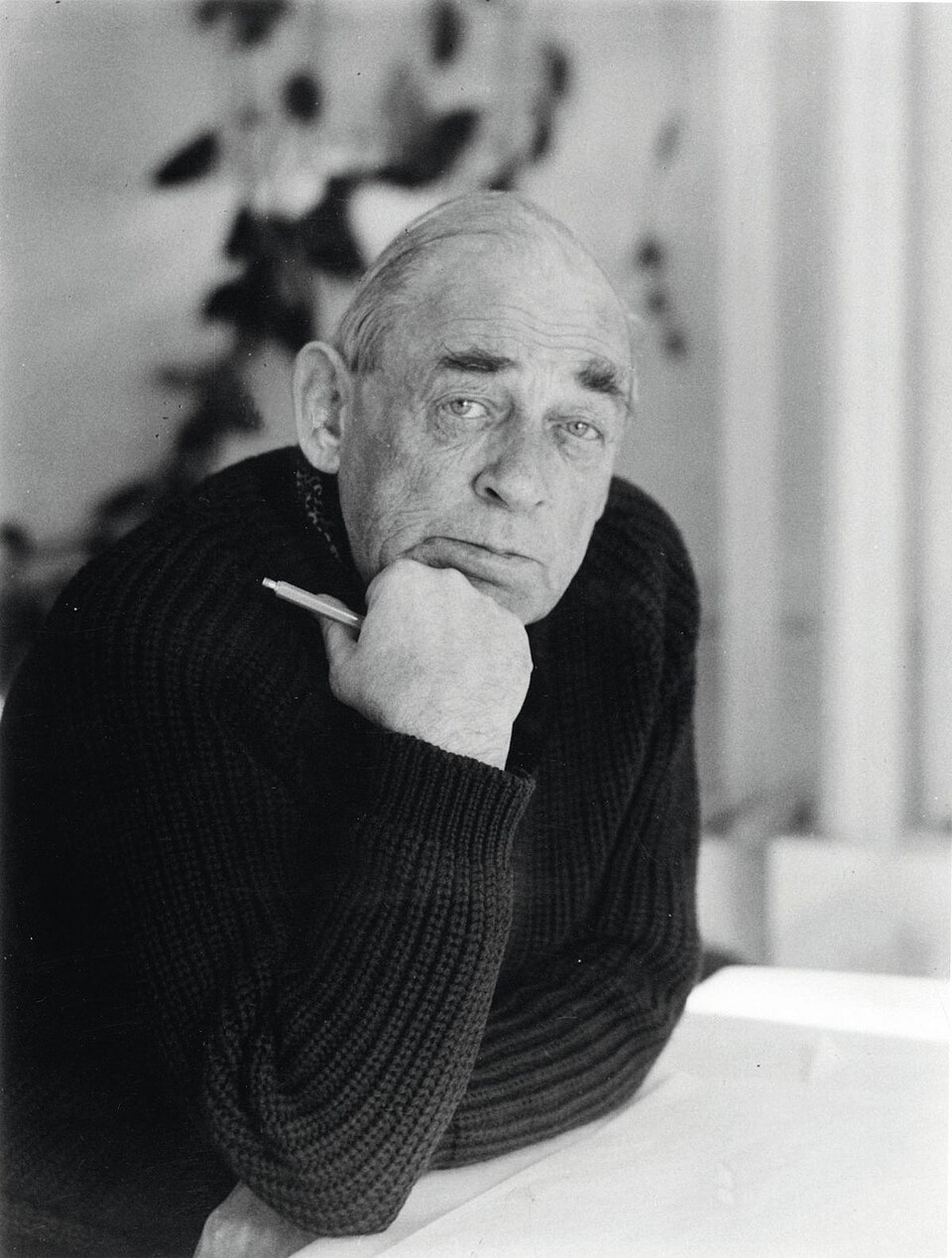
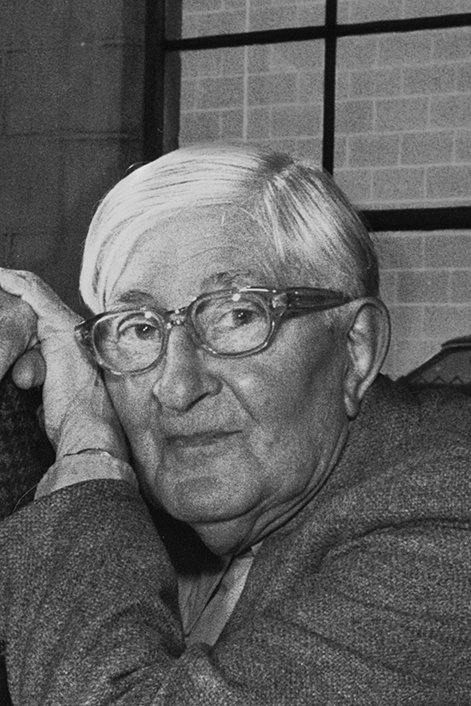
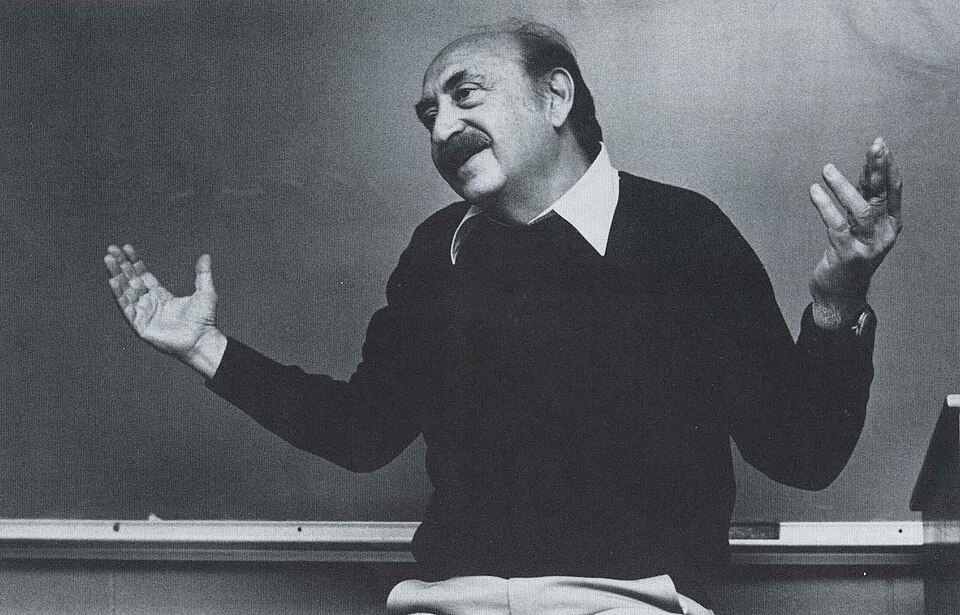
Enzo Mari
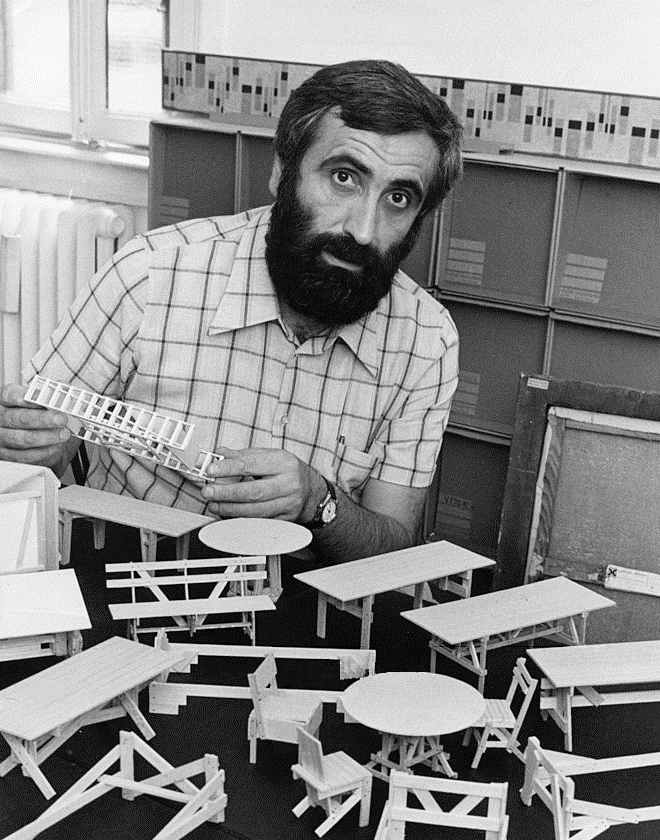
The Italian designer who treated every object as a political argument, insisting that honest design could only emerge from an honest relationship between maker and user.
Enzo Mari spent his career picking fights with the furniture industry, the design establishment, and comfortable consumers — and producing some of the most rigorous objects of postwar Italian design while doing so. His practice was simultaneously formal and polemical: a chair was never just a chair but a position on production, labour, and the right relationship between people and things.
Formation
Mari was born in Novara in 1932 and studied at the Accademia di Brera in Milan, where he absorbed an intellectual tradition that connected design to broader questions of politics and production. His early career overlapped with Italy's postwar industrial expansion and with the design debates centred on Milan — debates about whether design served capital or could serve people. He chose a third position: it should serve neither until it was honest about what it was doing.
He began a long collaboration with the manufacturer Danese in 1957, designing objects — games, calendars, paper products, bowls — that stripped away ornament to expose the logic of making. The Putrella shelf bracket (1958), a standard industrial beam section used without modification as furniture support, was characteristic: it found design in the thing already there, refusing to add.
Autoprogettazione
In 1974 Mari published Autoprogettazione, a set of construction drawings for simple wooden furniture — tables, chairs, beds — designed to be built with rough timber and basic tools. He distributed it freely, intending it as a critique of both mass production and the design market. The project proposed that people should be able to make their own environment, and that an object the user built was necessarily more honest than one the user consumed.
Autoprogettazione was widely misread, both as a utopian gesture and, later, as a design aesthetic to sell. Mari spent his remaining decades arguing against both readings, insisting the drawings were a political instrument, not a furniture collection.
Design is always political. The question is only whether you admit it.
Method and philosophy
Mari's method was relentlessly analytical. He approached every commission by asking what relationship it proposed between maker, object, and user — and whether that relationship was honest. He rejected styling on principle: a form that existed only to signal desirability was, for him, a form of deception. This put him in periodic conflict with clients and with the commercial design mainstream, conflicts he documented in writing as carefully as he documented his objects.
He won four Compasso d'Oro awards and taught at various Italian institutions. Late in his career he donated his archive to the city of Milan.