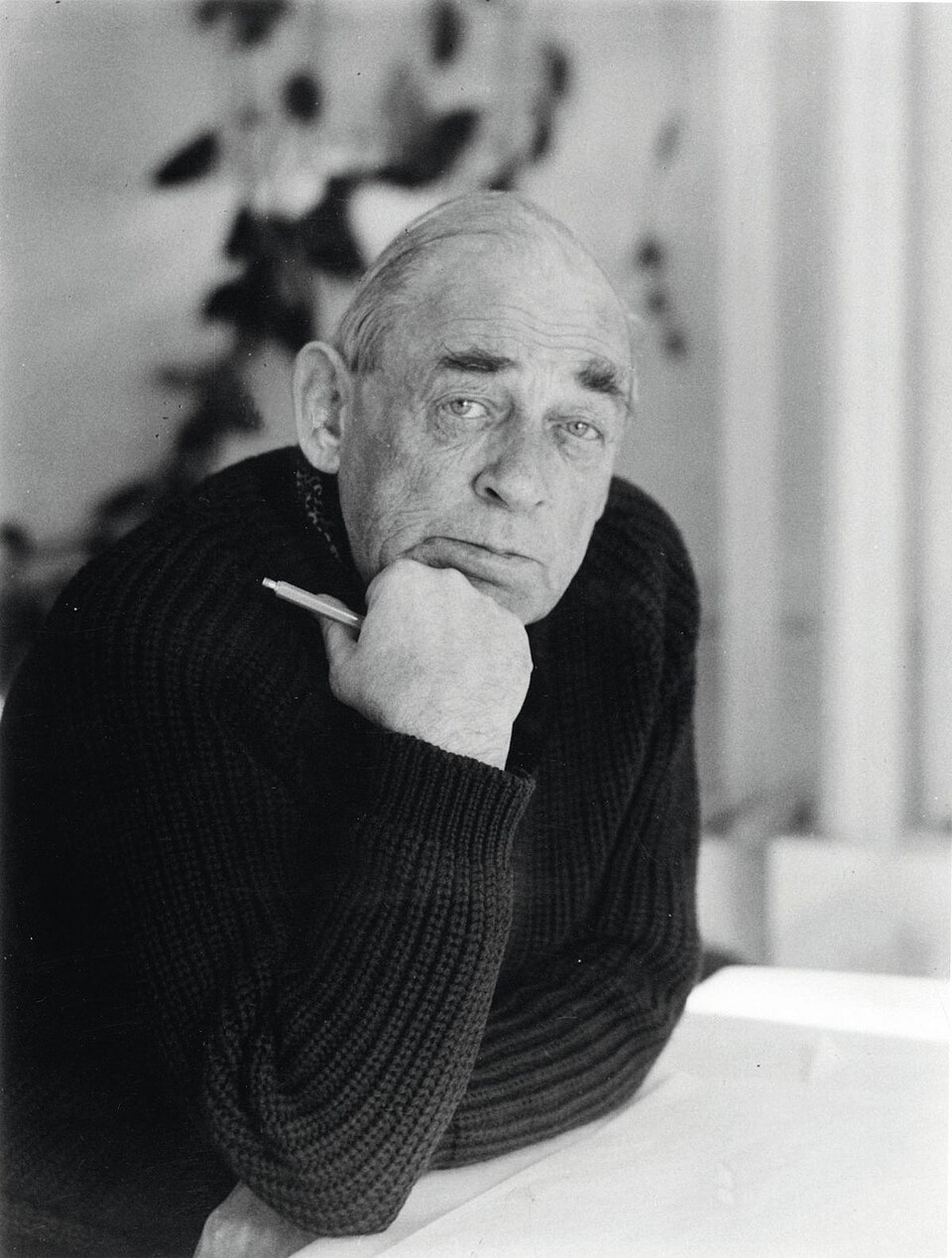
Wolfgang Weingart
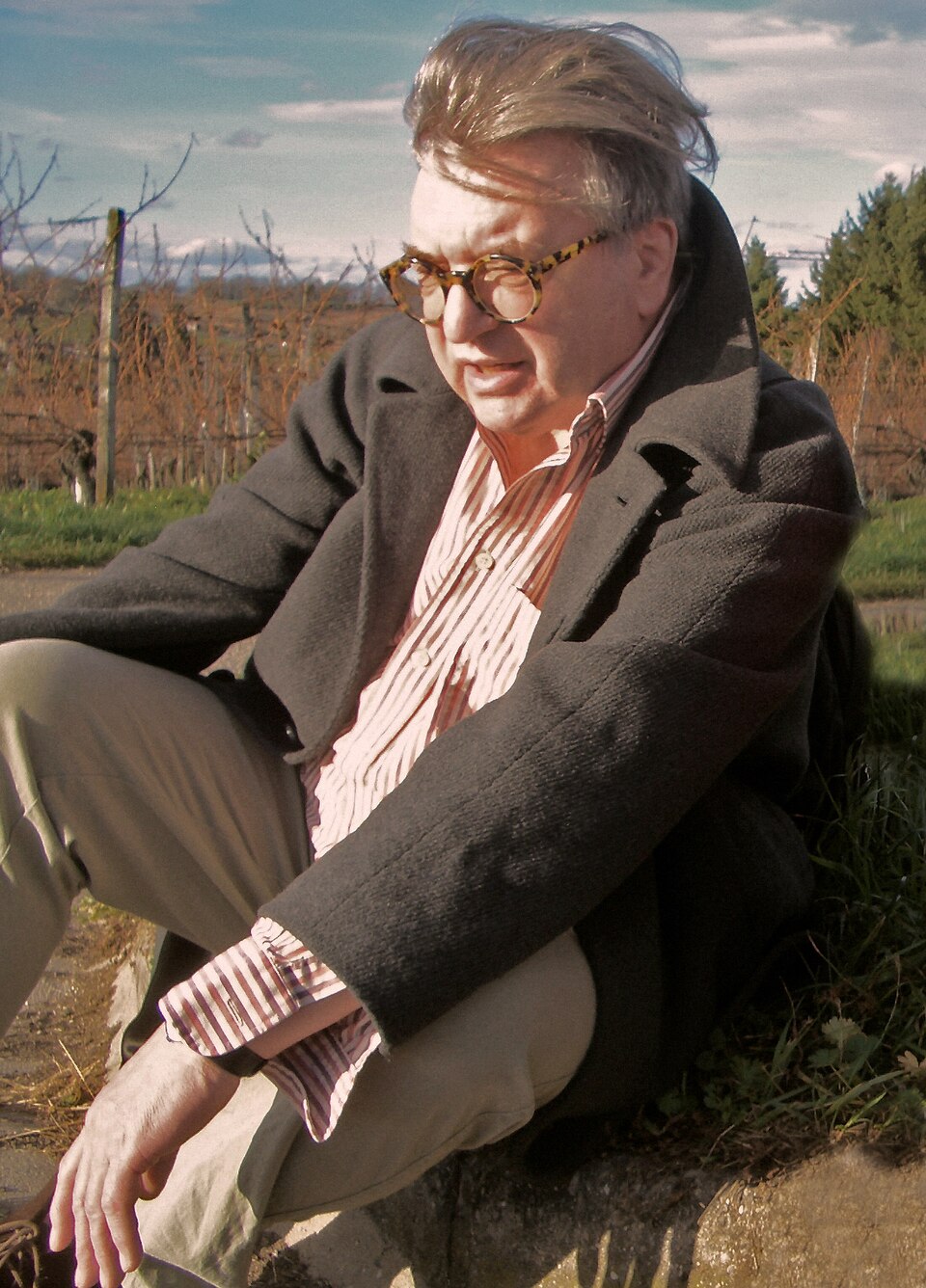
The provocateur who broke Swiss typography's own rules and invented the restless, layered aesthetic that became New Wave design.
Wolfgang Weingart absorbed the International Typographic Style in Basel and then systematically dismantled it, introducing layering, photographic montage, and deliberate visual tension into Swiss typography. The approach he developed through teaching is credited as the origin of New Wave typography — a style that crossed the Atlantic and reshaped American graphic design in the late 1970s and 1980s.
Formation in Basel
Weingart was born in the Salem Valley region of Germany in February 1941. He came to graphic design through a lithography apprenticeship, then arrived in Basel to study under Emil Ruder and Armin Hofmann at the Allgemeine Gewerbeschule Basel (AGS). Basel in the 1960s was the centre of rigorous Swiss typography — grid-governed, neutral in tone, restrained in every choice. Weingart mastered its methods, then questioned them.
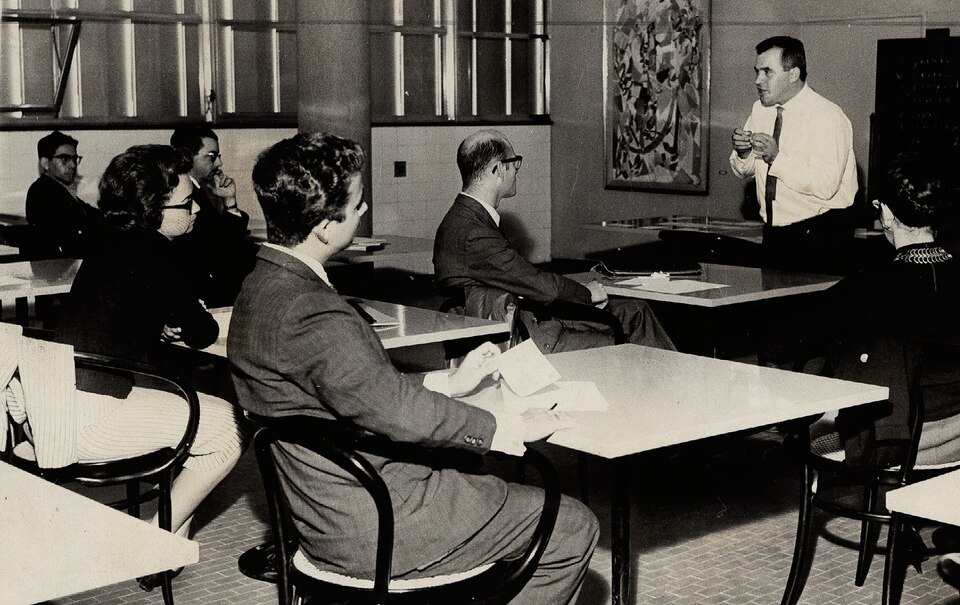
He joined the AGS faculty and remained there for decades, teaching the advanced typography course while his own practice diverged increasingly from orthodox Swiss Style.
The typographic experiment
Where traditional Swiss typography demanded economy and clarity, Weingart introduced complexity as a design principle. He explored letterpress printing in ways that used its mechanical properties expressively — overlapping, reversing, fragmenting letterforms. As offset printing and phototypesetting became available, he extended the experiments into photomontage and multiple exposures, building page compositions with many simultaneous layers of information.
The work was not chaos for its own sake. Weingart maintained that tension, contrast, and ambiguity could be as structurally controlled as the Swiss grid — they simply operated by different rules.
What's the use of being legible, when nothing inspires you to take notice of it?
New Wave and its transmission
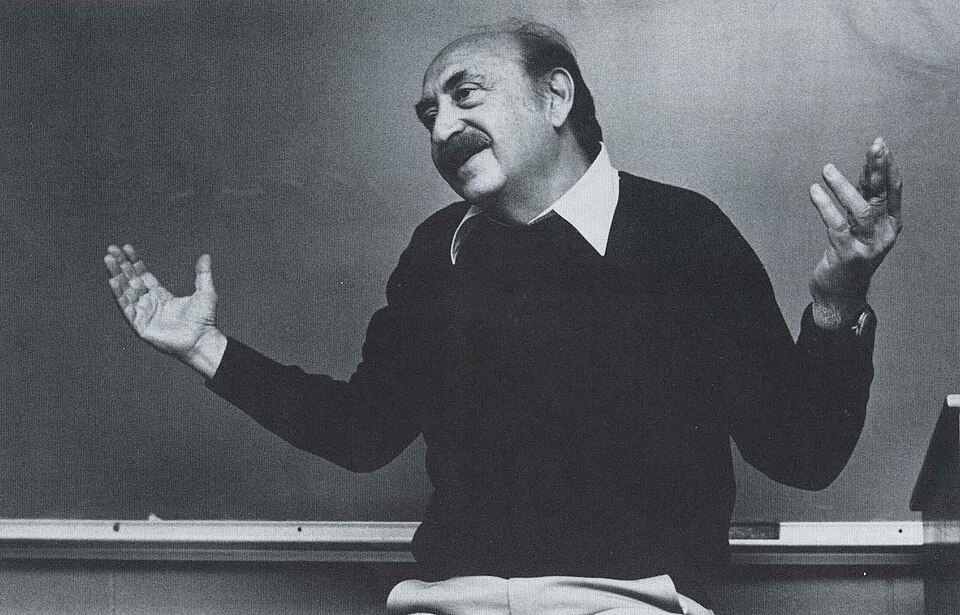
Weingart's influence on American design came largely through his students. April Greiman and Dan Friedman, who both studied in Basel under the AGS programme in the early 1970s, carried his methods to New York and California. The visual language they brought — layered type, diagonal composition, photographic texture — became a dominant mode in American graphic design by the early 1980s, labelled variously as New Wave or Swiss Punk typography.
Weingart himself published My Way to Typography in 2000, a memoir and manifesto running to nearly 500 pages that documented his process, his teaching, and his view of what typography was for.