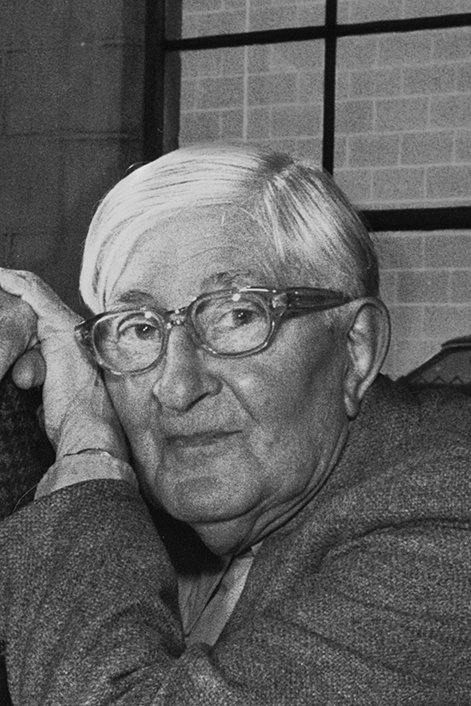
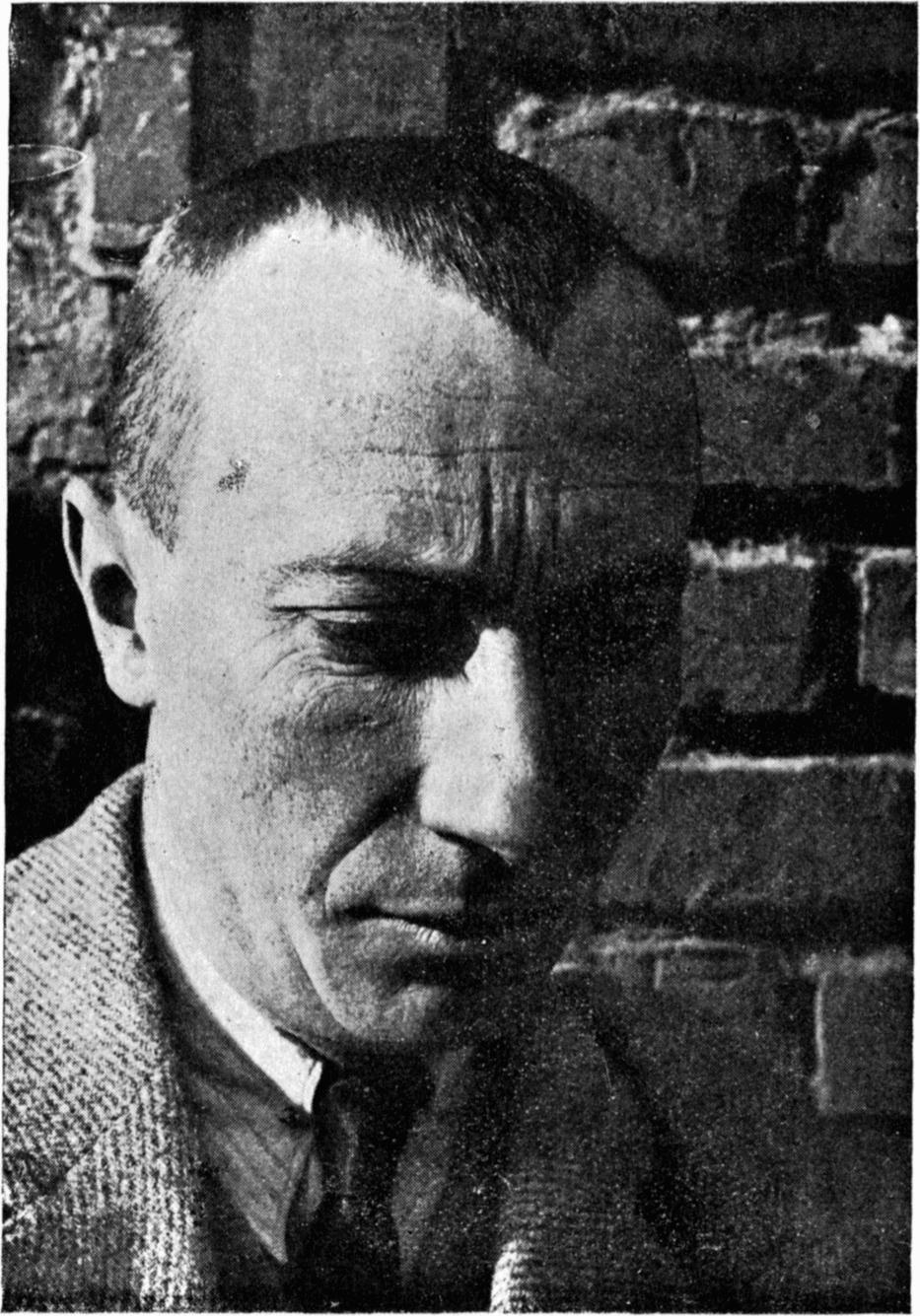
Edgar Degas
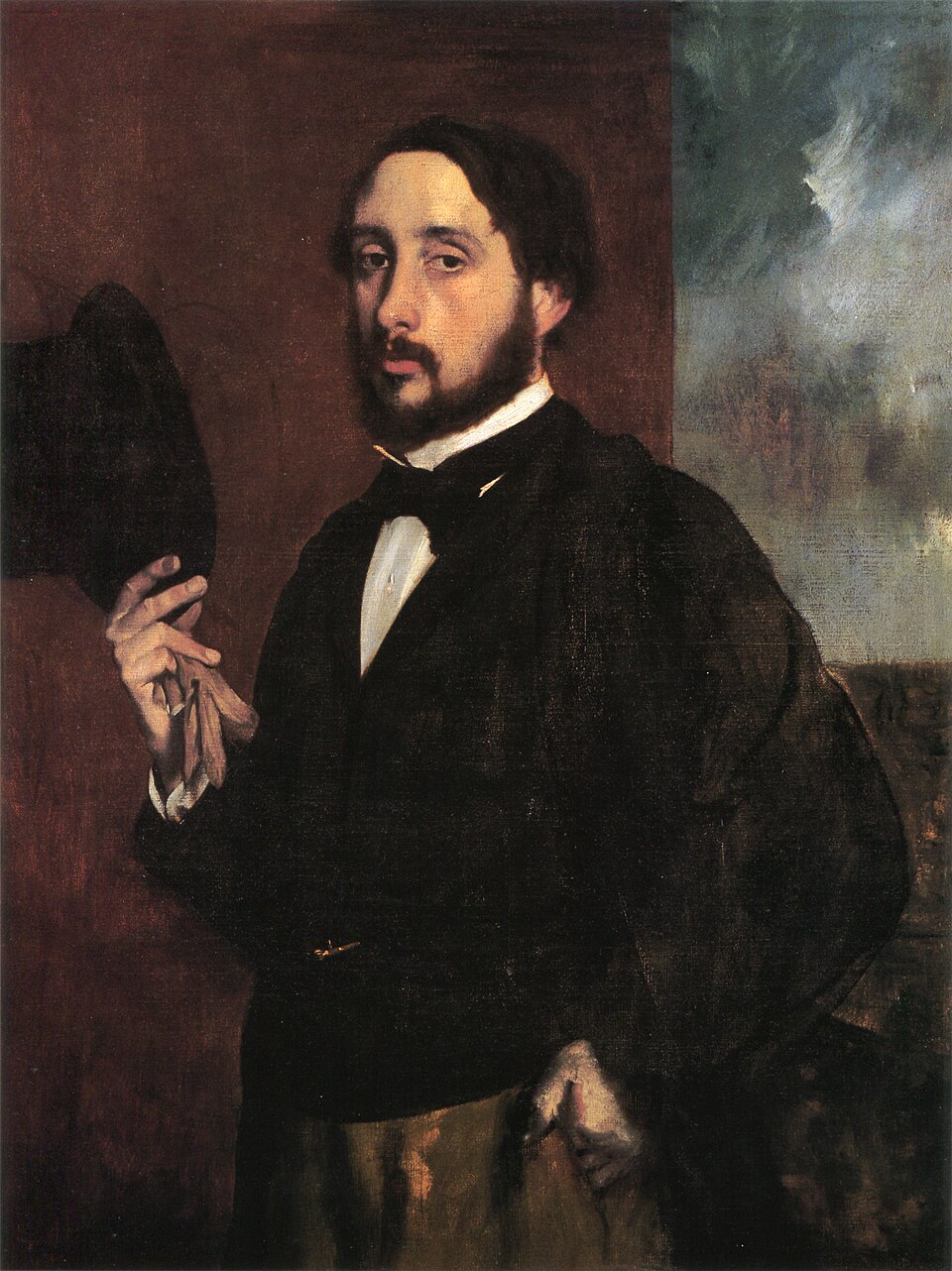
The painter who made movement visible by studying what the eye catches mid-motion.
Edgar Degas spent his career dissecting the grammar of human motion — rehearsals caught from odd angles, laundresses mid-stretch, jockeys leaning into turns — and turned instantaneous observation into disciplined, almost sculptural composition. He was aligned with the Impressionists in rejecting academic conventions, yet he worked largely indoors under artificial light, prizing drawing above colour and calling himself a Realist.
Origins and formation
Born in Paris in 1834 into a wealthy banking family, Degas trained at the École des Beaux-Arts and spent formative years in Italy copying the Renaissance masters he revered throughout his life. His early paintings are classical in subject and execution. The decisive turn came in the late 1860s, when friendship with Édouard Manet drew him toward contemporary Parisian subjects and the circle that would become the Impressionists.
The theatre of movement
From around 1870, Degas focused on the Paris Opéra. His ballet scenes are not celebrations of spectacle but forensic studies: dancers stretching at the barre, adjusting a slipper, waiting in the wings under gaslight. The Ballet Class (c. 1874) exemplifies his compositional severity — asymmetric cropping, empty floor space used as weight, figures arranged without hierarchy. He attended performances and rehearsals obsessively and built wax maquettes to study pose from every angle before touching canvas or paper.
I am a colourist with line.
Technique and late work
Degas adopted pastel as his primary medium from the 1880s onward, exploiting its capacity for layered, crosshatched texture that no oil brush could replicate. His eyesight declined steadily; by the 1890s he was working in large-format pastels and modelling wax sculptures, which he neither cast nor exhibited in his lifetime. Little Dancer Aged Fourteen (1881) — the only sculpture he showed publicly — was dressed in real fabric and tulle, scandalising critics who called it ethnographic rather than artistic. After his death, heirs found roughly 150 wax models in his studio.
Legacy
Degas shaped how subsequent artists understood cropping, artificial light, and the figure in motion. His compositional devices reappear in the photography of Henri Cartier-Bresson and the cinema of early documentary filmmakers. The asymmetric viewpoints he borrowed from Japanese woodblock prints became structural currency for modern visual culture. He died in Paris in 1917, largely blind and increasingly reclusive.