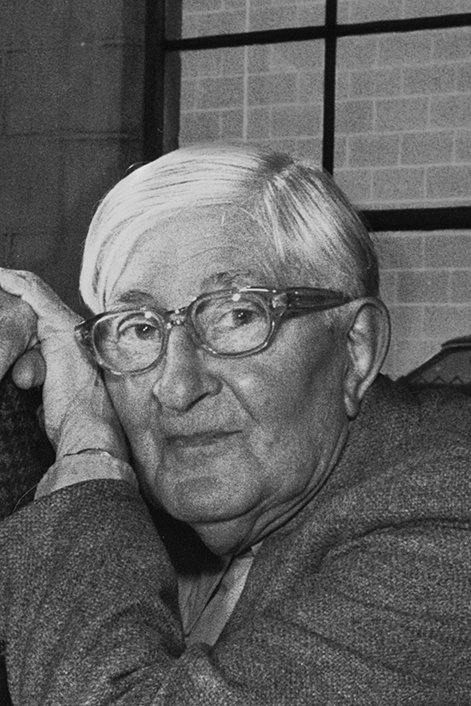
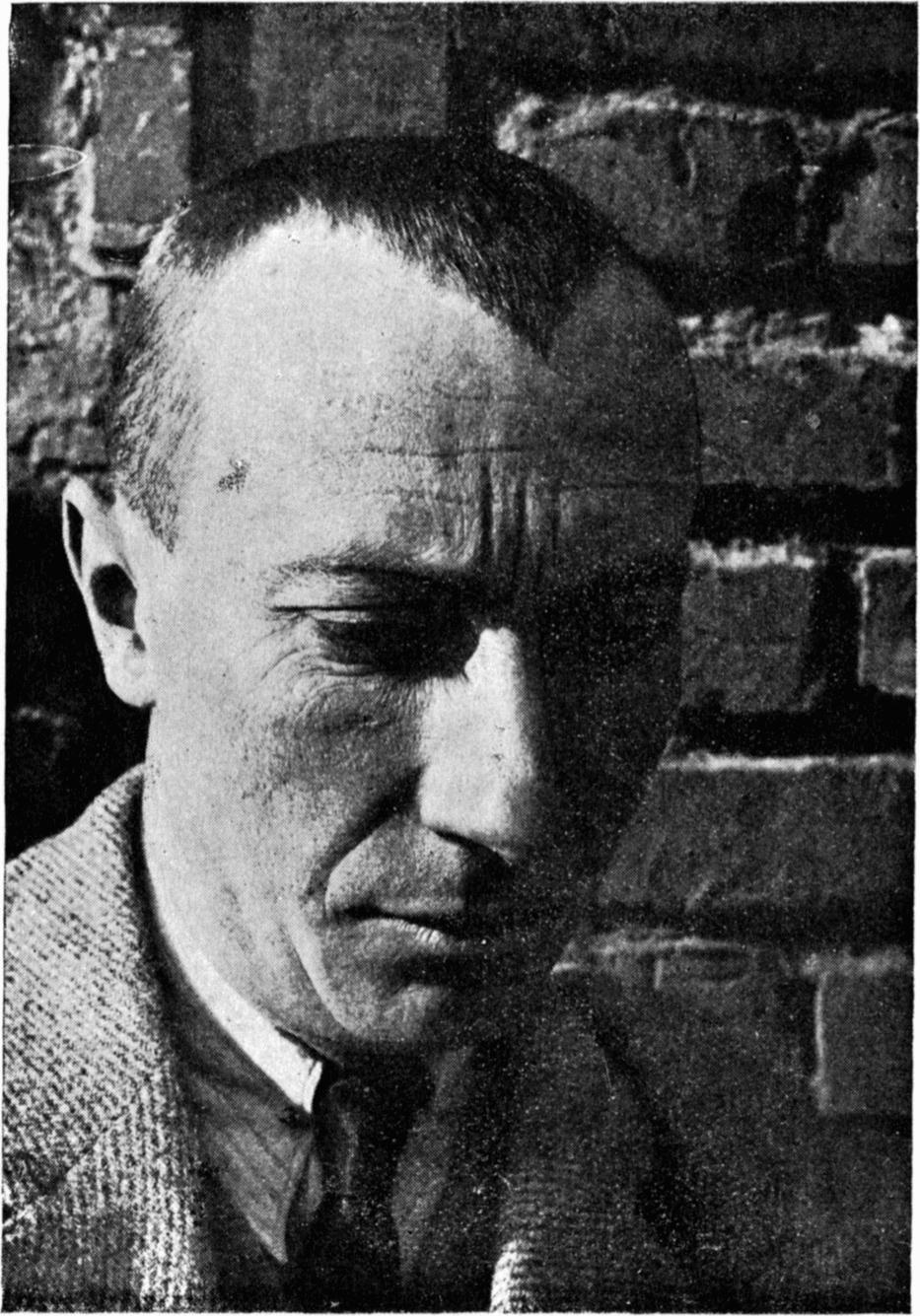
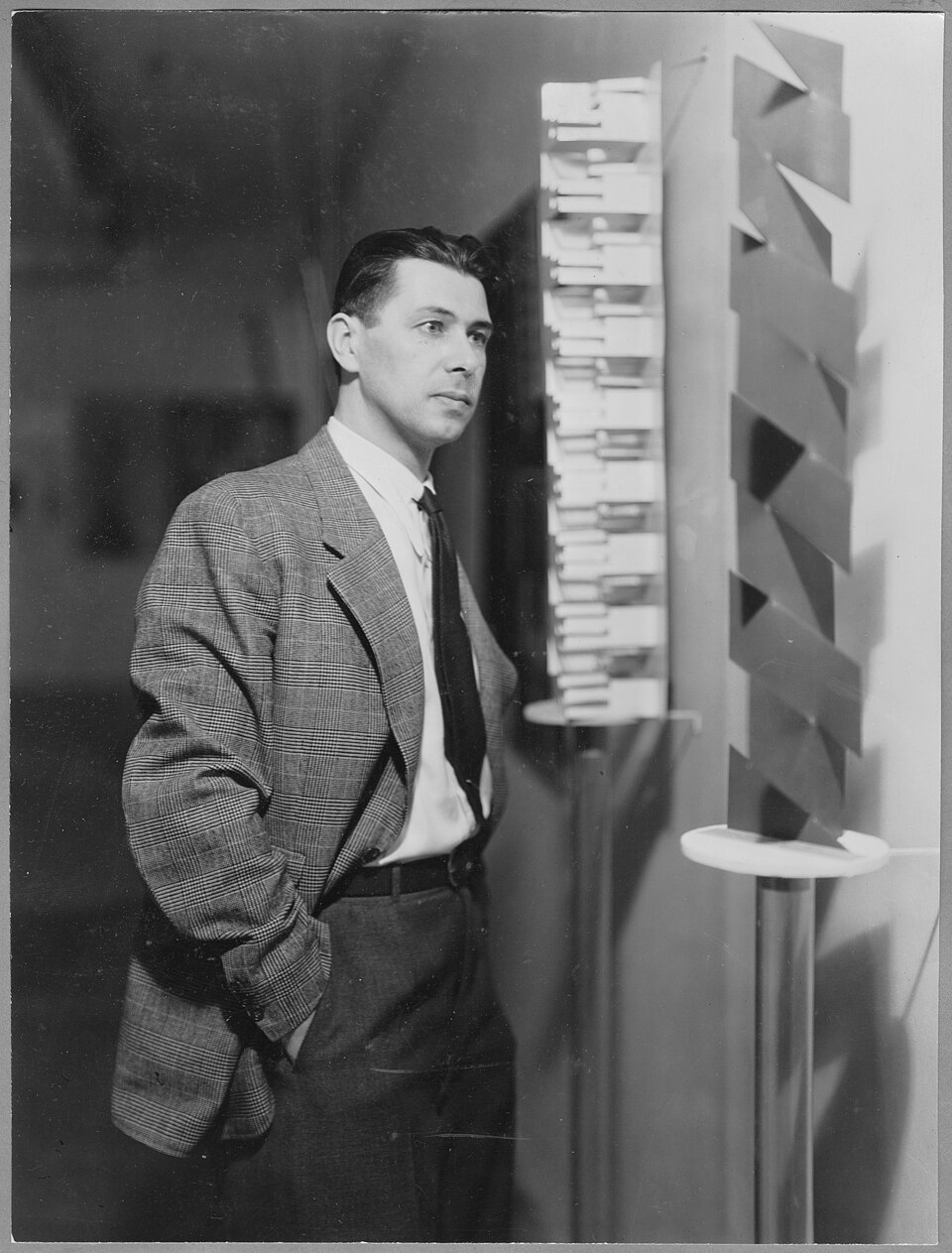
Marina Abramović
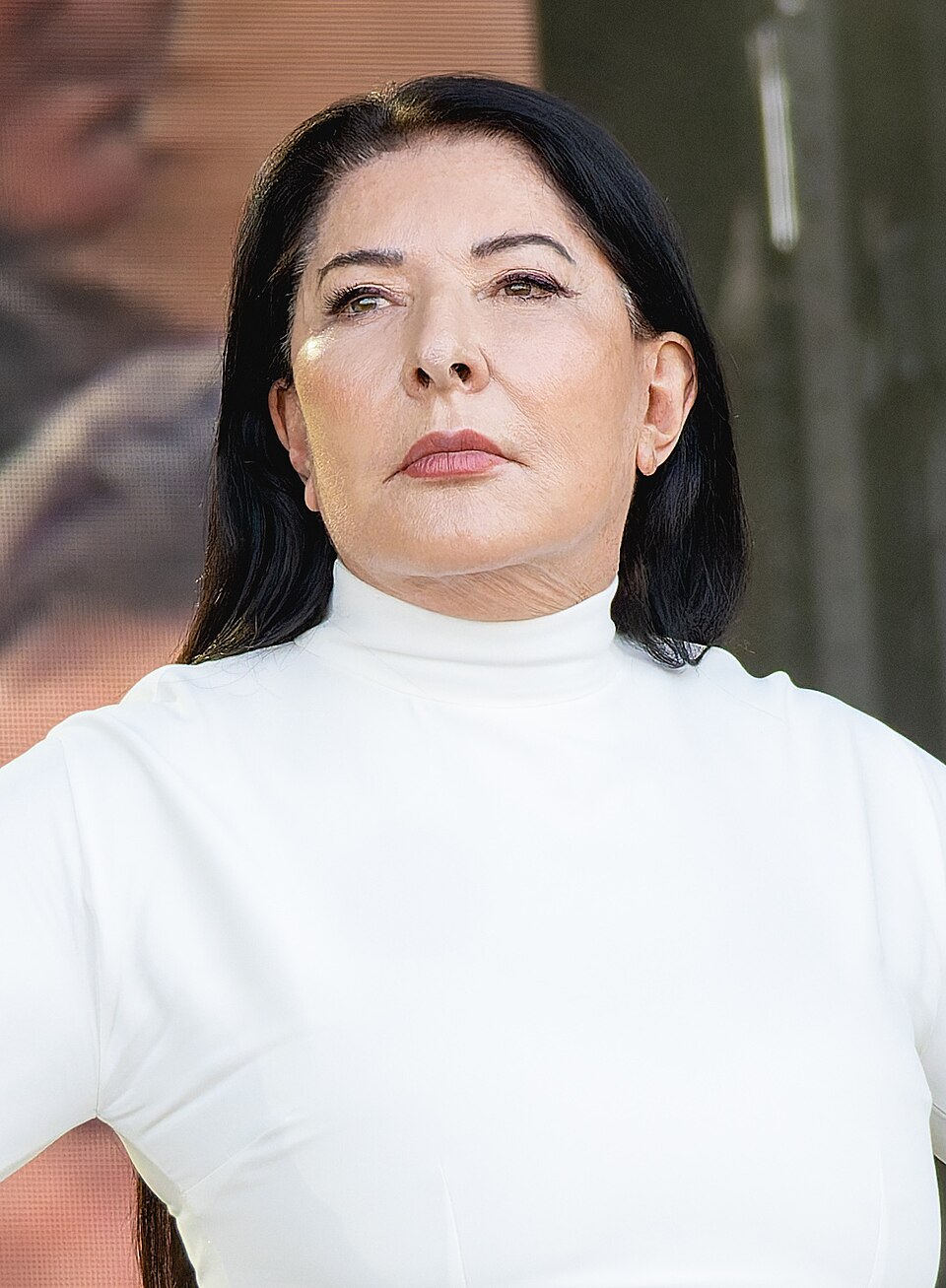
The artist who made her own body the canvas, clock, and crucible — and proved that pure presence, held long enough, becomes the most demanding art of all.
Marina Abramović has spent more than five decades using her own body as the primary material of art — exposing it to extremity, stillness, pain, and the unpredictable agency of strangers. Where most artists make objects, she makes situations in time, and her presence is the work's irreducible core.
Origins and formation
Abramović was born in Belgrade in 1946 into a partisan family; her parents were National Heroes of Yugoslavia, a circumstance that surrounded her childhood with discipline, ideology, and a certain severity she would later channel into her art. She studied at the Academy of Fine Arts in Belgrade (graduating 1970) and then at the Academy of Fine Arts in Zagreb, where she completed postgraduate work in 1972. Her earliest pieces — sound installations and conceptual experiments — gave little warning of the radicalism ahead, but by 1973 she had begun the Rhythm series: six performances in two years that established her method and reputation in a single brutal arc.
The body as medium: the Rhythm series
The six Rhythm pieces (1973–1974) form the founding document of her practice. Rhythm 10 (Edinburgh, 1973) used knives and chance; Rhythm 5 involved a flaming five-pointed star; Rhythm 2 explored the effects of medication on consciousness. The series culminated in Rhythm 0 (Studio Morra, Naples, 1974), now regarded as one of the most unnerving works in post-war art.1 For six hours she stood motionless at a table bearing 72 objects — including a rose, a feather, honey, scissors, a scalpel, and a loaded pistol — with a card declaring that she took full responsibility for whatever the audience chose to do. By the end she had been cut, stripped, and had a loaded gun held to her neck. When the performance stopped and she walked toward the audience, people fled.
In theatre the knife is not real and the blood is not real; in performance the knife is real, the blood is real, and the emotions are real.
Ulay and the Relation Works
In 1976 Abramović met the German artist Uwe Laysiepen, known as Ulay, in Amsterdam. Their twelve-year collaboration produced the Relation Works — a sustained investigation of the two-body unit as a field for trust, tension, and co-dependence. Pieces such as Rest Energy (1980), in which they held a drawn bow and arrow aimed at her heart for four minutes, and AAA-AAA (1978), in which they screamed into each other's open mouths until breath failed, treated the partnership as both subject and instrument. The collaboration ended in 1988 with The Lovers: The Great Wall Walk, in which each artist walked from an opposite end of the Great Wall of China, meeting in the middle to say goodbye after walking roughly 2,500 kilometres each over ninety days.
| Work | Year | Duration / form |
|---|---|---|
| AAA-AAA | 1978 | Screaming confrontation, video |
| Rest Energy | 1980 | 4 minutes, bow and arrow |
| Nightsea Crossing | 1981–86 | 22 performances of motionless sitting |
| The Lovers: The Great Wall Walk | 1988 | 90 days, ~2,500 km each |
Presence as duration: from The House with the Ocean View to MoMA
Her solo practice after Ulay pushed further into pure duration and minimalism. The House with the Ocean View (Sean Kelly Gallery, New York, 2002) confined her to a raised platform for twelve days without food, speaking, or writing — only sleeping, sitting, and looking at whoever entered the gallery. It prepared the conceptual and physical ground for what followed.
In 2010 the Museum of Modern Art in New York staged the retrospective The Artist Is Present. For the run of the show — approximately 736 hours spread across 79 days — Abramović sat silently at a table in the museum's atrium and invited any visitor to sit opposite her, one at a time, for as long as they wished. More than 1,400 people did so. Many wept. The queues began forming before dawn. The work became a cultural event of unusual reach, introducing performance art to audiences far outside its habitual world, and is now among the most discussed single durational works in the history of the medium.
Footnotes
- Rhythm 0 is frequently cited as the work that proved an artist could transfer authorship of an action to an audience — and that the result, freed from social constraint over time, tends toward violence before collective shame intervenes. ↩