Fernand Léger
The painter who brought the machine age into fine art without irony: cylinders, gears, and tubular figures celebrating industrial modernity in primary colours.
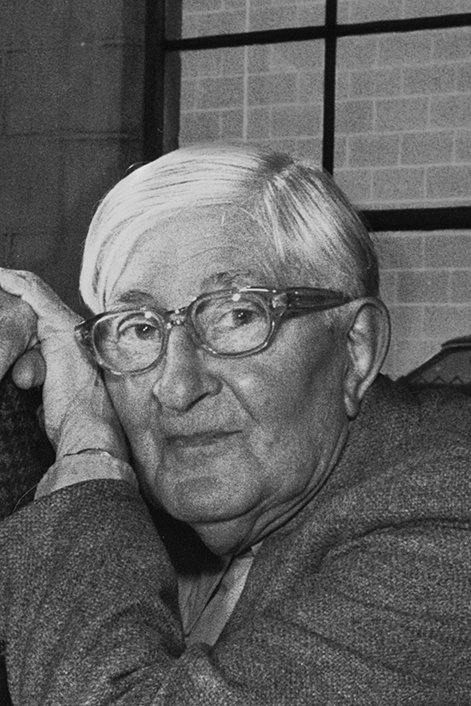
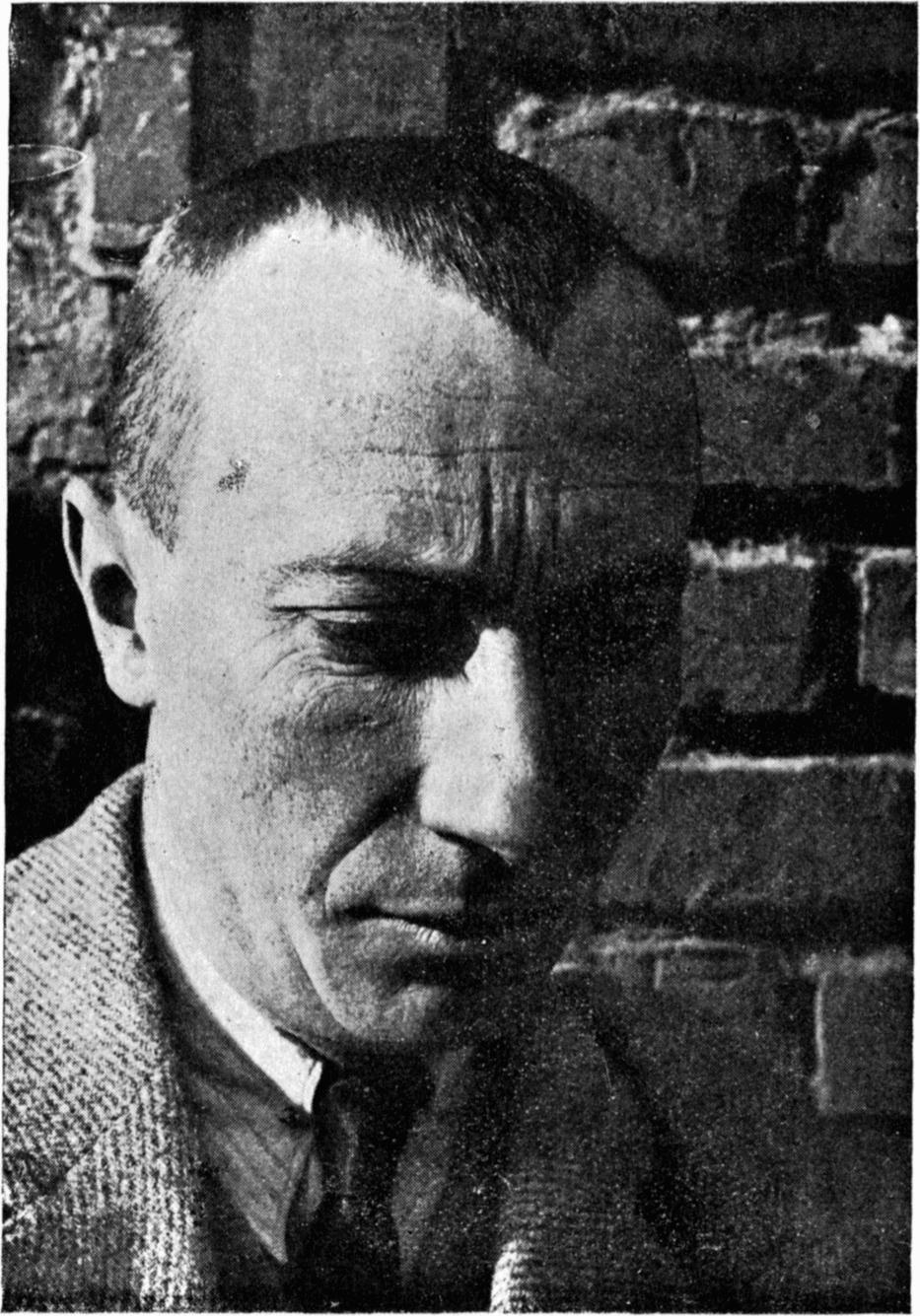
Fernand Léger was the Cubist who looked at the factory and saw beauty without apology. Where his contemporaries fragmented objects to reveal simultaneity, Léger assembled them into a new kind of monumental form — tubular, primary-coloured, unambiguously modern — that embraced the industrial world rather than analysing it from the outside. His trajectory from Cubist painter to filmmaker, muralist, and teacher traced the ambition of a man who wanted art to reach the widest possible audience.
Norman origins and the Cubist turn
Léger was born in Argentan, Normandy, in 1881, the son of a cattle farmer. He trained as an architectural draughtsman and moved to Paris in 1900, studying at the École des Arts Décoratifs and attending classes at the École des Beaux-Arts. Exposure to Cézanne's retrospective in 1907, the same year he met Picasso and Braque, redirected him decisively.
By 1909–10 Léger was producing his own variant of Cubism — soon nicknamed "Tubism" for its cylindrical simplification of forms. Where Picasso and Braque decomposed objects into facets, Léger built them up from rounded industrial volumes, using bright, often unmodulated colour.
The war and its aftermath
Military service in 1914–17 exposed Léger to the visual reality of machinery, artillery, and the camaraderie of working-class soldiers — an experience he described as transformative. He emerged from it with a conviction that art should speak to the working class and that modern mechanical forms were not base but beautiful.
The post-war paintings — known as the "mechanical period" — feature modular figures and objects assembled like components. The City (1919) is one of the defining works: a dense, flat, billboard-like construction of scaffolding, posters, figures, and architectural fragments.
He also directed an experimental film, Ballet mécanique (1924), synchronising machine movements, everyday objects, and human figures to create a visual rhythm without narrative.
Monumentalism and public art
From the mid-1920s Léger's figures grew larger and more simplified — flat, outlined, often set against bright primary grounds. He moved toward mural-scale work and public art, designing for architecture and theatre. During World War II he lived in the United States, teaching at Yale and Mills College before returning to France in 1945.
His later work includes ceramic murals, stained-glass windows, and tapestries — an expansion of painting's social reach that he saw as the logical extension of his convictions about art and democracy.
A piece of machinery, a locomotive, a factory — these are beautiful objects. Why should painting not look at them?
Legacy
Léger's machine aesthetic and his commitment to bold, accessible form were among the direct precursors of pop art. Andy Warhol and Roy Lichtenstein's use of flat colour, hard outline, and commercial imagery can be traced through Léger back to his argument that the vernacular and the monumental could inhabit the same canvas.