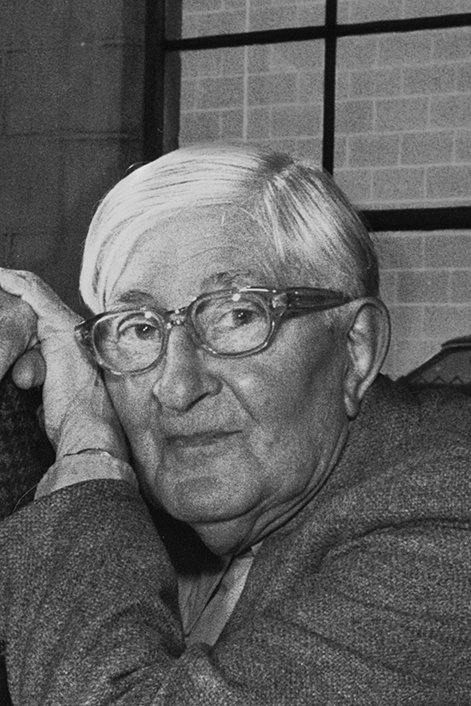
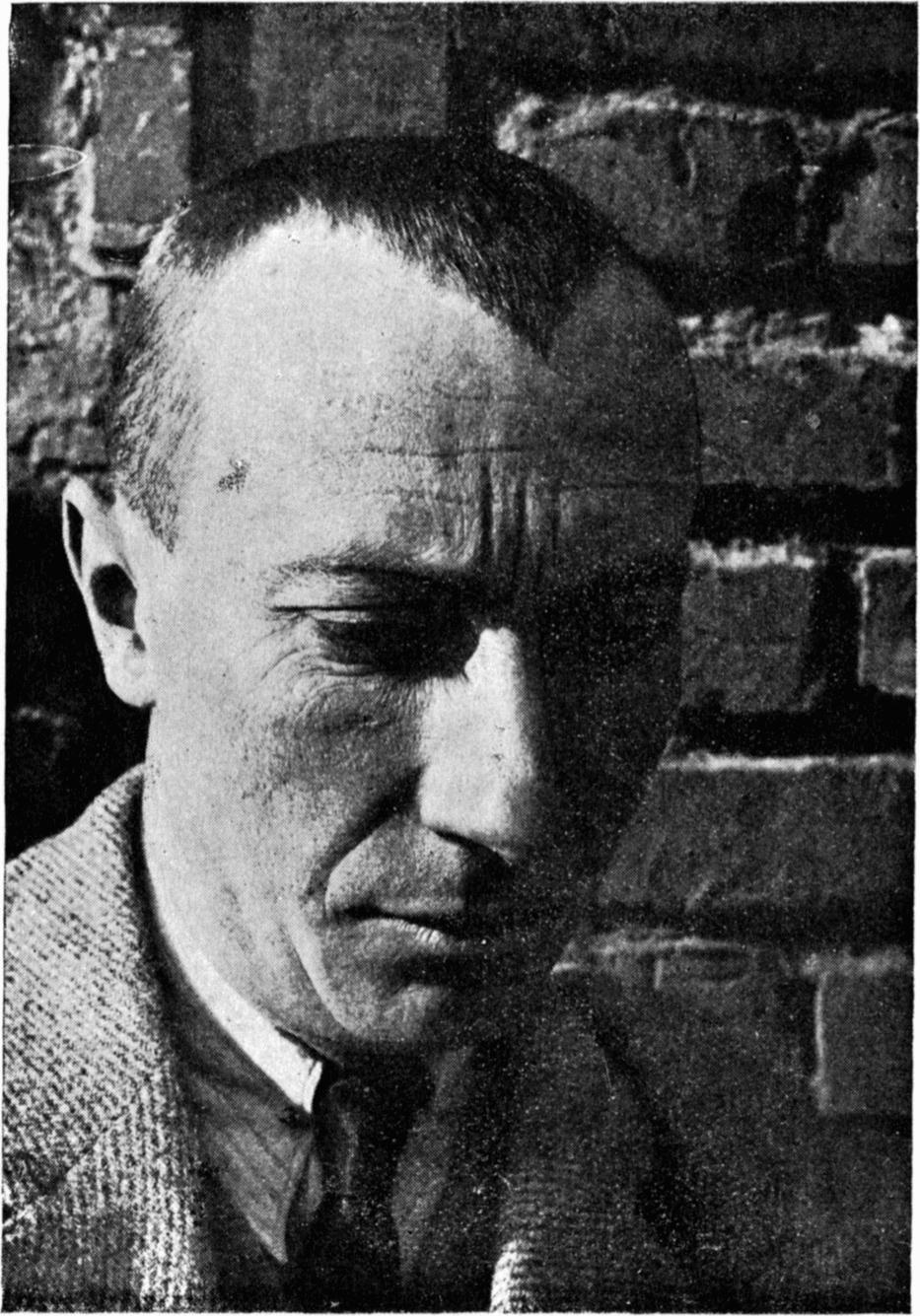
Giorgio de Chirico
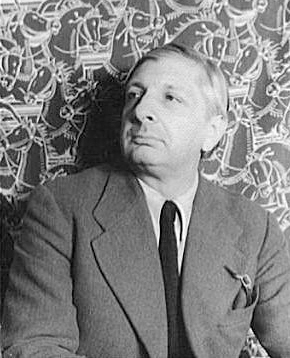
The Greek-Italian painter who invented Metaphysical painting — empty piazzas, long shadows, faceless mannequins — and gave the Surrealists their visual grammar before repudiating them.
Giorgio de Chirico painted a handful of works between 1911 and 1920 that changed the visual imagination of the twentieth century. His piazzas — deserted, lit by an angled sun that casts impossibly long shadows, inhabited by statues and mannequins rather than people, traversed by the smoke of an unseen train — encode a sense of dread and mystery that had no precedent in painting. The Surrealists declared him their ancestor; de Chirico eventually declared the Surrealists frauds, and spent the rest of his long life making academic paintings, dismissing his own early work as worthless and then issuing disputed replicas of it.
Greek origins and philosophical formation
De Chirico was born in Volos, Greece, in 1888, to a Genoese father and a Palermitan mother. He grew up surrounded by Greek archaeology and mythology. After his father's death in 1906 the family moved to Munich, where he studied at the Kunstakademie and encountered the work of Arnold Böcklin and Max Klinger — painters of symbolic and mythological subjects — and read Nietzsche and Schopenhauer.
Nietzsche's concept of the Eternal Recurrence and Schopenhauer's idea of the uncanny revelation beneath everyday appearances are visible in de Chirico's mature work. He described his paintings as capturing what Nietzsche called "an autumnal afternoon" — a moment when the familiar becomes suddenly strange.
The Metaphysical period
From 1910 to approximately 1920, working in Turin, Paris, and Ferrara, de Chirico produced the paintings that established his reputation. The Turin piazzas — The Enigma of the Hour, The Mystery and Melancholy of a Street, The Melancholy of Departure — set colonnaded arcades and long shadows against green skies, with a lone figure sometimes visible at the edge. Perspective is exaggerated and inconsistent; the architecture belongs to no particular time or place.
In Ferrara from 1915 he developed the mannequin paintings — featureless tailors' dummies in classical rooms, accompanied by geometric instruments and maps. These were produced in dialogue with Carlo Carrà, who had come to see him; the two defined Pittura Metafisica (Metaphysical Painting) as a movement and published a journal.
André Breton and the Surrealists claimed these works as the founding images of their movement, reproducing them extensively in La Révolution surréaliste.
The break and the long aftermath
After 1920 de Chirico's work shifted toward a more academic, Baroque-influenced manner. He explicitly repudiated the Metaphysical period, calling his early work "bad painting," and began producing — and backdating — replicas of the pre-1920 canvases. This provoked sustained disputes about authenticity that occupied the art market and scholars for decades.
He lived until 1978, dying in Rome at ninety. The late work is extensive and largely unregarded; the early Metaphysical paintings remain among the most influential in modern art history.
Every object has two aspects: the common aspect, which is the one generally seen by everyone, and the ghostly and metaphysical aspect, which only rare individuals may see in moments of clairvoyance and metaphysical abstraction.