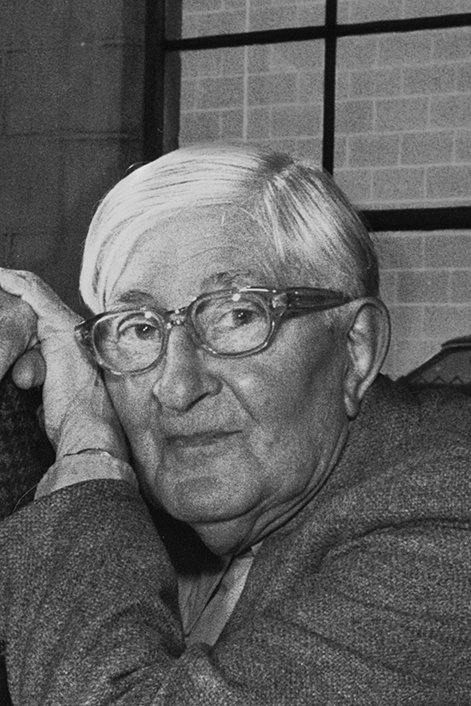
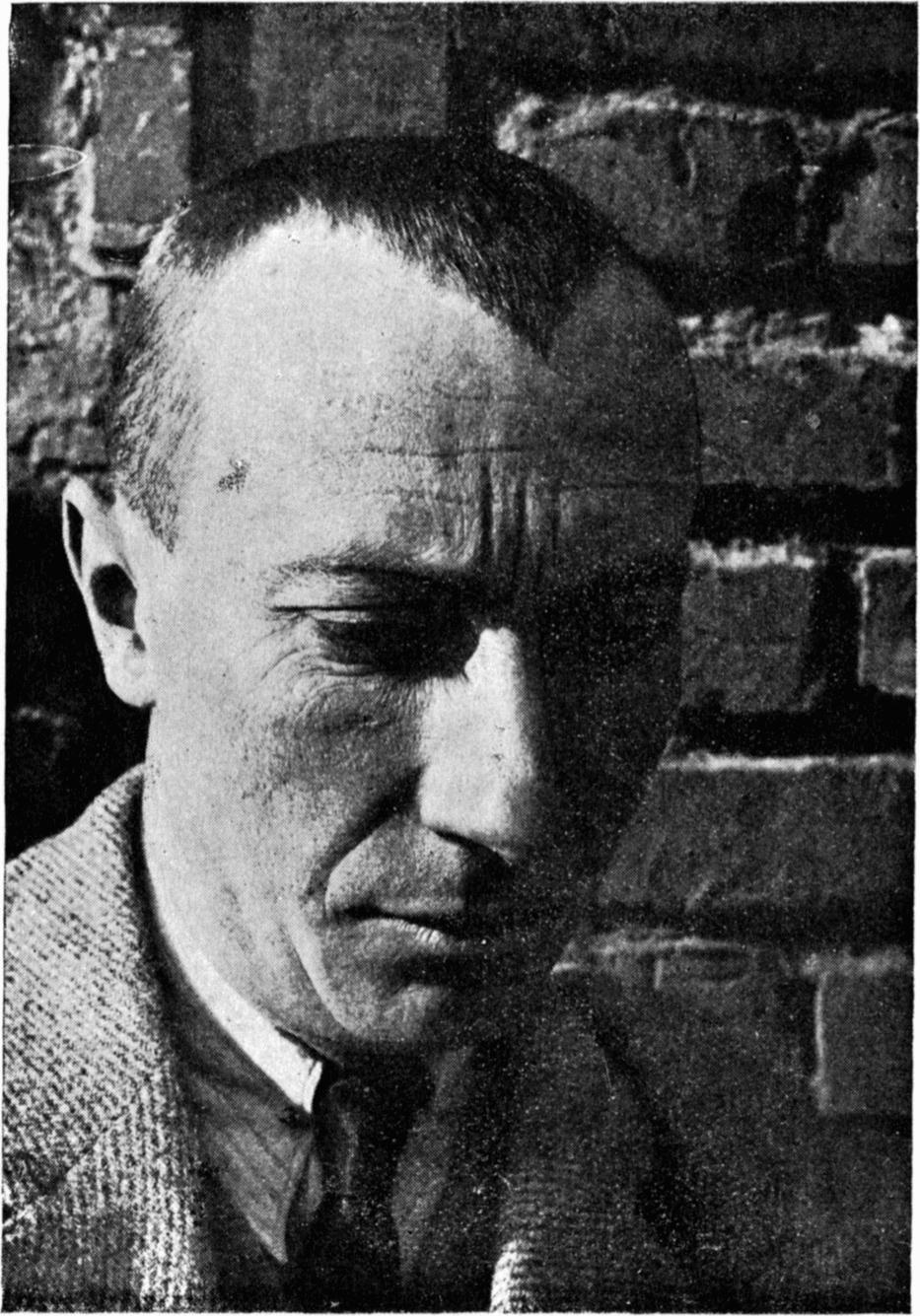
Kazimir Malevich
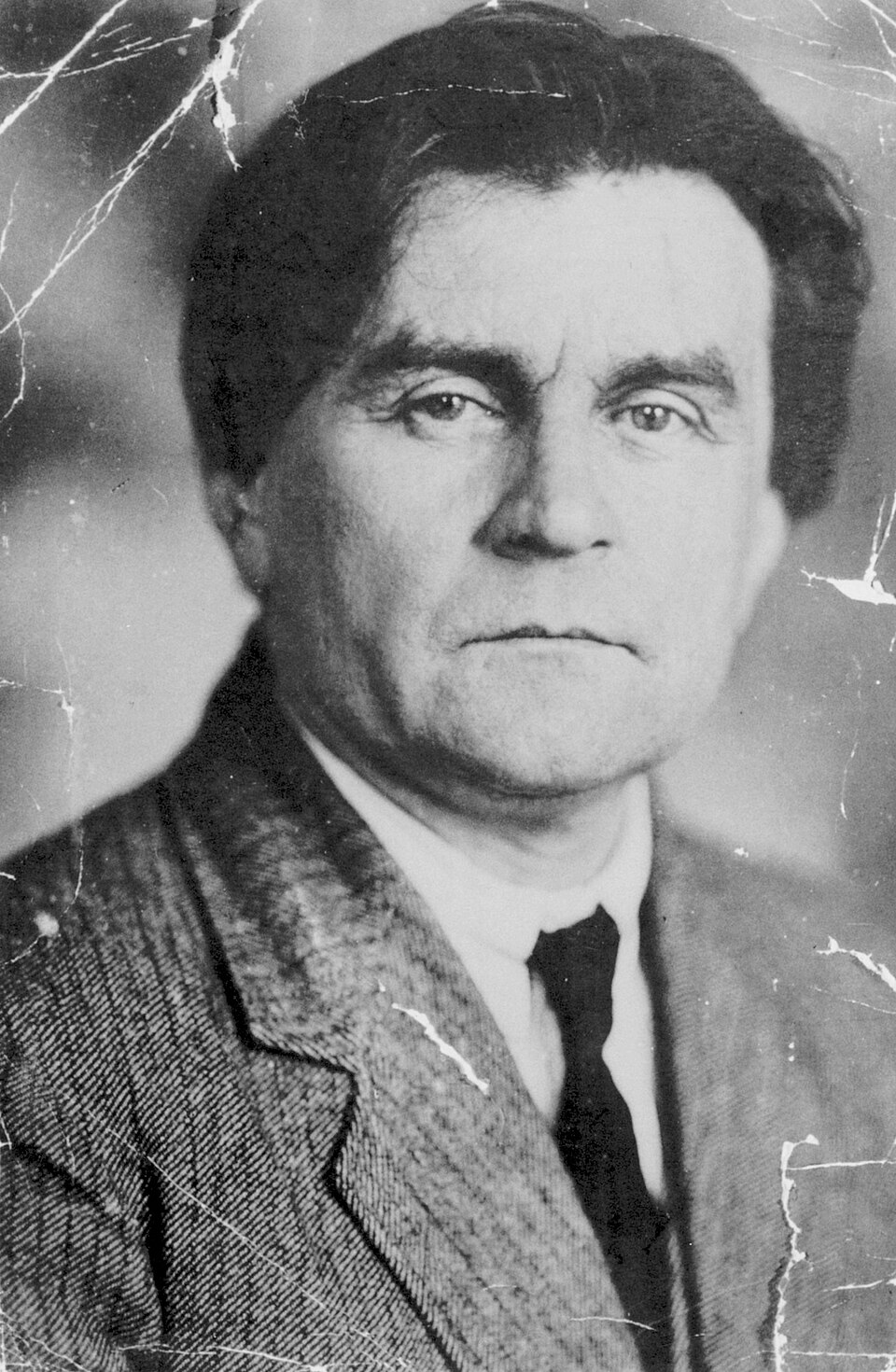
The Russian painter who reduced art to pure geometric form and declared that a black square on white was the zero point from which all future painting must depart.
Kazimir Malevich invented Suprematism — a visual language stripped to the square, the circle, and the cross on a white ground — and presented it to the world at the 1915 Petrograd exhibition "0.10" as a definitive break with representation. His theoretical ambition matched his visual radicalism: he argued that pure sensation, liberated from the natural world, was the proper subject of art.
Formation and early influences
Malevich was born in Kyiv to Polish parents and grew up moving across Ukraine as his father followed employment with the sugar industry. He trained in Moscow at the Moscow School of Painting, Sculpture and Architecture and absorbed the successive shocks of Impressionism, Cézanne, Cubism, and Futurism through exhibitions and publications reaching Russia in the early years of the twentieth century. His Cubo-Futurist paintings of the early 1910s — peasant figures rendered in interlocking metallic planes — demonstrate his rapid assimilation of European modernism before he pushed beyond it entirely.
Suprematism and the zero of form
The pivotal moment came with Black Square (c. 1915), which Malevich hung across the corner of the room at "0.10" — the traditional position reserved for Orthodox icons — as a deliberate declaration of the artwork's spiritual authority in a secular age. The canvas is a black quadrilateral on white, nothing more; yet Malevich insisted it expressed pure painterly feeling divorced from any reference to the visible world. He called the system Suprematism, from the Latin supremus, claiming supremacy of pure sensation over representation.
Works that followed elaborated the vocabulary: floating rectangles, crosses, and circles in primary colours and black, arranged with a tension that implies motion and spatial depth without depicting either. Suprematist Composition: Airplane Flying (1915) and the near-monochromatic White on White (1918) mark the outer poles of the system — one dynamic, one pushing toward dissolution of form altogether.
Theoretical writing and teaching
Malevich's theoretical texts — including The Non-Objective World, published by the Bauhaus in 1927 — extended his ideas across architecture, design, and what he called "Architectons": three-dimensional white plaster models exploring pure geometric form in space.1 After the Russian Revolution he held influential teaching and administrative positions, directing the Institute of Artistic Culture (INKhUK) and later the Vitebsk school after Marc Chagall invited him. His students included figures who would carry Constructivist ideas into typography, textile, and industrial design.
| Phase | Approximate dates | Characteristic |
|---|---|---|
| Cubo-Futurism | 1911–1914 | Fragmented planes, peasant subjects |
| Early Suprematism | 1915–1917 | Black/red/blue on white ground |
| White-on-White | 1917–1919 | Near-monochrome, maximum reduction |
| Late figuration | 1928–1935 | Return to the figure, often cross-shaped |
Decline and rediscovery
The Soviet state's turn toward Socialist Realism in the late 1920s marginalised Malevich. He returned to figurative painting — haunted, cross-shaped peasant figures that read as critical allegories — but faced arrest and interrogation. He died of cancer in Leningrad in 1935. His coffin was painted with a black square; his ashes were buried near his dacha. The full scope of his influence was only understood in the West after major retrospectives in the 1970s and 1980s.
Under Suprematism I understand the primacy of pure sensation in creative art.
Footnotes
- The Bauhaus edition of The Non-Objective World was translated into German as Die gegenstandslose Welt; the English translation appeared decades later. ↩