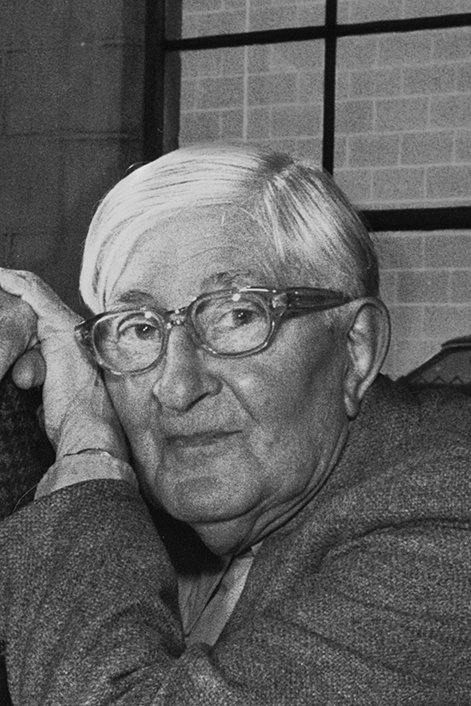
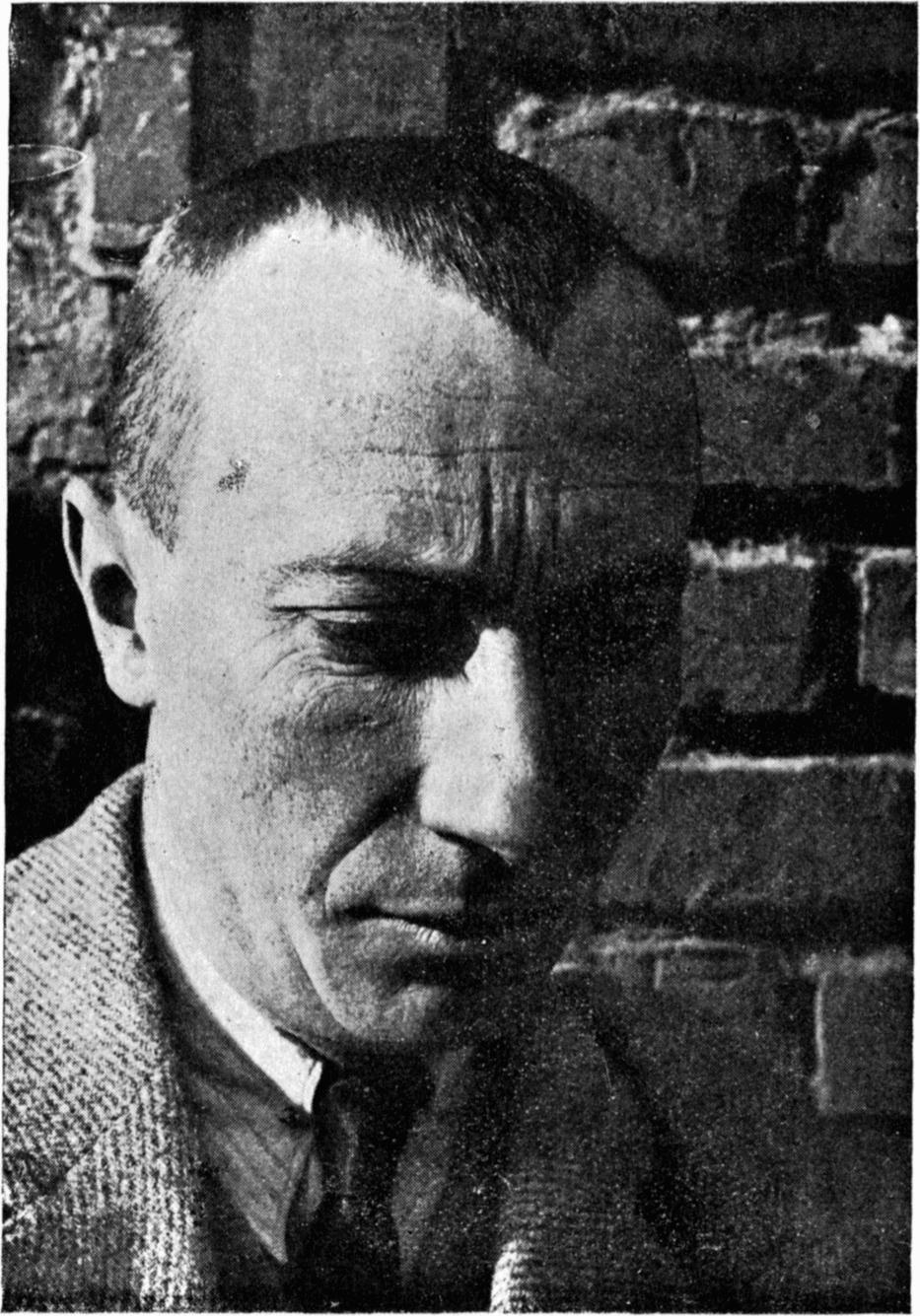
Paul Signac
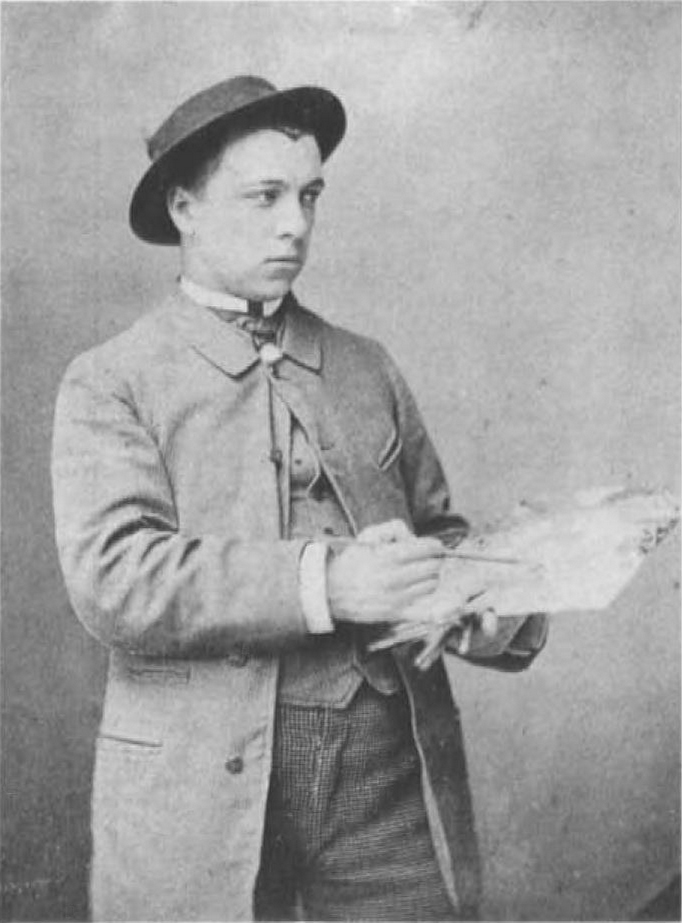
He turned Seurat's optical science into a movement, a manifesto, and a lifelong practice of colour as pure structure.
Paul Signac encountered Georges Seurat in 1884 and immediately grasped the structural argument behind Pointillism. Where Seurat was methodical and reticent, Signac was an organiser and advocate: he theorised the technique in writing, sustained the Neo-Impressionist movement after Seurat's death in 1891, and produced a body of work spanning fifty years in which colour contrast and chromatic structure remained the constant subject beneath every landscape or harbour scene.
Early life and the encounter with Seurat
Born in Paris in 1863, Signac came from a prosperous bourgeois family. He was largely self-taught as a painter, having been refused entry to the École des Beaux-Arts studio of Puvis de Chavannes. He exhibited early work with the Impressionists and was drawn to Monet's colour experiments. The decisive meeting came at the Salon des Indépendants in 1884, where he saw Seurat's Bathers at Asnières and met the painter. Within months he had adopted Divisionism entirely, abandoning his earlier brushwork.
Codifying the method
Signac's theoretical contribution was as significant as his painted one. His book D'Eugène Delacroix au néo-impressionnisme (1899) traced a genealogy from Delacroix's understanding of colour contrast through Impressionism to the systematic practice he and Seurat had developed — giving the movement a historical legitimacy and a theoretical vocabulary. The text was widely read and directly influenced Matisse, who spent the summer of 1904 working alongside Signac at Saint-Tropez and produced his Divisionist canvas Luxe, Calme et Volupté (1904–05) as a direct result.
Colour, governed by the laws of contrast, of gradation, of irradiation, combines with line — all the elements are there.
Saint-Tropez and the harbour paintings
Signac discovered Saint-Tropez in 1892, bought a house there, and made the harbour and surrounding coast the recurring terrain of his mature work. The port paintings — masts, water, light on stone — gave him ideal material for Divisionist analysis: the prismatic breakup of reflected light, the optical vibration of complementary colours across water. His palette grew more ambitious over time, the dots larger and the colour oppositions more strident. Entrance to the Grand Canal, Venice (1905) is among the most resolved works of his late period.
Legacy
Signac outlived Seurat by forty-four years and used that time to sustain and transmit the Neo-Impressionist inheritance. As president of the Société des Artistes Indépendants from 1908 to 1934, he presided over a venue for independent work that remained central to the Parisian avant-garde through the rise of Fauvism and Cubism. He died in Paris in August 1935.