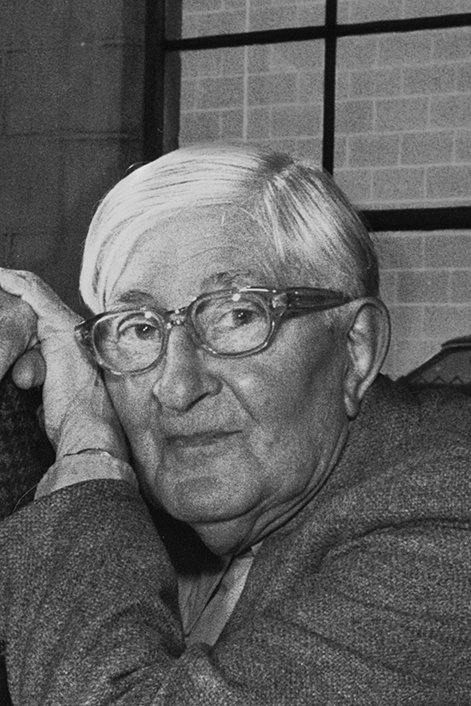
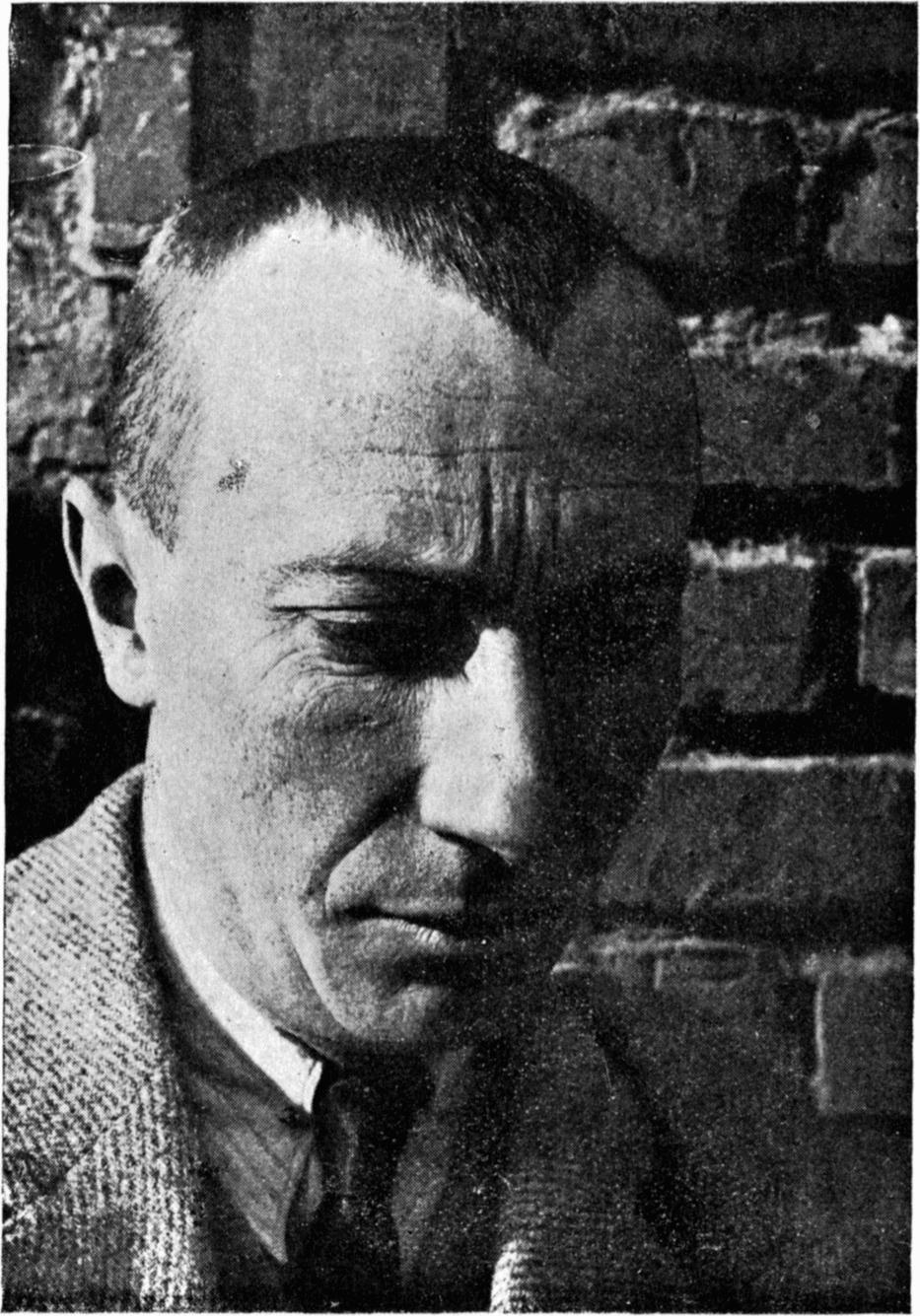
Pierre-Auguste Renoir
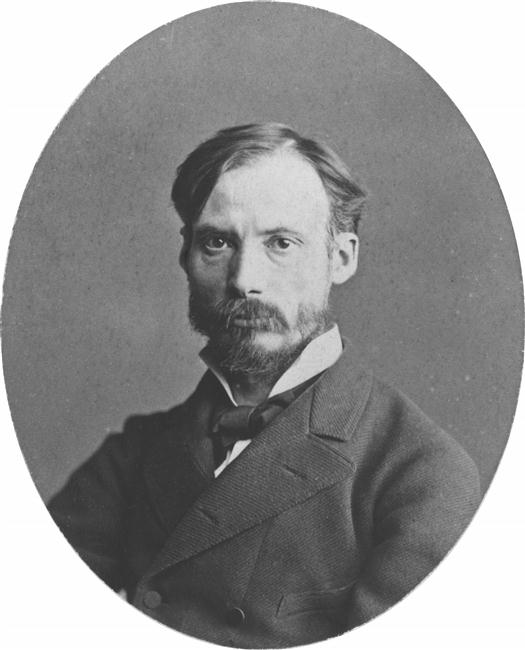
The painter who rendered pleasure as structure — light, colour, and the company of people as sufficient subject.
Pierre-Auguste Renoir turned the social surfaces of late-nineteenth-century France — riverside restaurants, open-air dances, domestic afternoons — into paintings of such chromatic warmth that the scenes seem bathed in light from inside the canvas. Where other Impressionists were drawn to the provisional and fragmentary, Renoir never abandoned a belief in sensuous form and compositional fullness inherited from Rubens and Watteau.
Early life and training
Born in Limoges in 1841, Renoir moved with his family to Paris as a child. He entered the porcelain industry as a decorator at thirteen, a trade that trained his hand and gave him an intimate understanding of applied colour before he enrolled at the École des Beaux-Arts in 1862. In the studio of Charles Gleyre he met Claude Monet, Alfred Sisley, and Frédéric Bazille. The four painters worked together in the Forest of Fontainebleau in the early 1860s, developing the habit of painting outdoors directly from observation.
The Impressionist years
Renoir's mature Impressionism reached its peak in the mid-1870s. La Grenouillère (1869), painted alongside Monet at a Seine bathing spot, demonstrates the technique both artists were developing: broken brushwork, colour applied wet-into-wet, light treated as the true subject of the painting. Bal du moulin de la Galette (1876) — a large-scale outdoor scene of a Sunday dance in Montmartre — shows Renoir's ambition to work at scale with the same spontaneity he applied to smaller studies. Luncheon of the Boating Party (1881) consolidates this approach: figure painting, landscape, and still life fused in a single composition drenched in afternoon light.
The final representative of a tradition which runs directly from Rubens to Watteau.
The Ingresque turn and late work
By the mid-1880s, Renoir grew dissatisfied with what he described as the formlessness of Impressionism. The Large Bathers (1887) marks a deliberate turn toward a harder contour line and more classical figure arrangement — a self-imposed correction he later partially reversed. Severe rheumatoid arthritis confined him to a wheelchair from around 1910, but he continued to paint at his estate at Cagnes-sur-Mer, with brushes tied to his fingers. He also began working with sculptors to translate his figure paintings into three dimensions. He died in December 1919, days after visiting the Louvre for a final time.
Legacy
Renoir's celebration of light and the unguarded moment anchored a strain of French painting that influenced Bonnard and Matisse. His large-scale figurative works complicated the standard narrative of Impressionism as exclusively landscape-driven and established pleasurable looking as a legitimate critical category rather than a concession to popular taste.