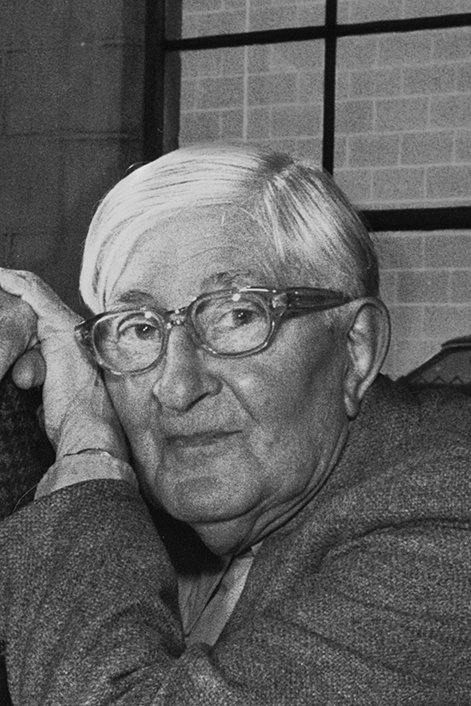
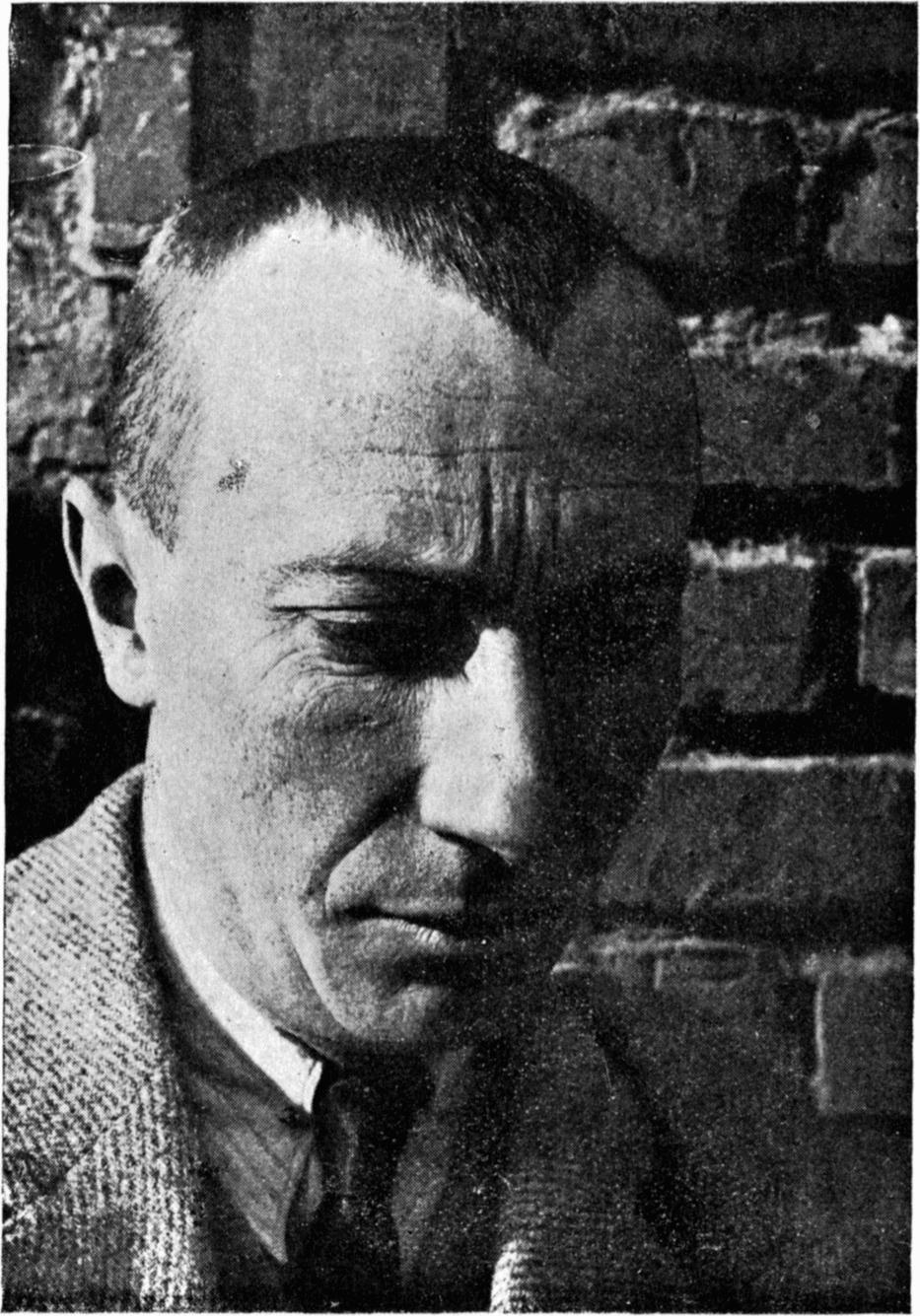
Pierre Bonnard
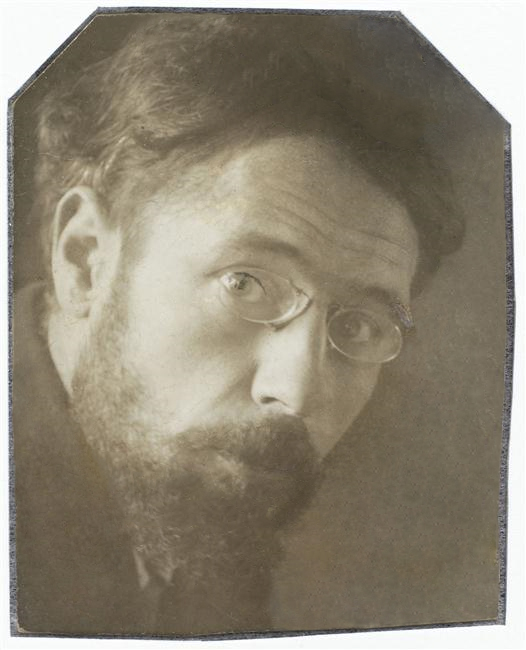
A Post-Impressionist who turned colour into atmosphere, making the domestic interior vibrate with an intensity that had nothing to do with incident and everything to do with perception.
Pierre Bonnard spent half a century painting the same modest scenes — a woman at a bath, a table set for breakfast, a garden in southern light — and made each canvas a different argument about what colour can hold. A founding member of Les Nabis, he outlived the movement and the century's avant-garde scrambles, remaining stubbornly committed to painting from memory and desire rather than observation, producing work whose radical chromatic intelligence was not fully recognised until long after his death.
Formation and the Nabis
Bonnard was born in 1867 in Fontenay-aux-Roses, near Paris. He trained at the École des Beaux-Arts and the Académie Julian, where he met Édouard Vuillard, Maurice Denis, and Ker-Xavier Roussel — the nucleus of what became Les Nabis (the Hebrew word for prophets). The group, formed around 1888, was galvanised by Paul Gauguin's use of flat colour and simplified form as expressive rather than descriptive tools.
Bonnard absorbed the lesson thoroughly. His early poster work — particularly the lithograph France-Champagne (1891) — showed a confident command of Japanese-influenced design: flat fields of colour, strong decorative line, compressed space. He was known briefly as "le Nabi très japonard."
Colour as structure
By the early twentieth century Bonnard had moved away from the flat decorative manner toward something more complex. He worked from memory and from small sketches made in notebooks, constructing paintings in the studio rather than before the motif. This gave his canvases an unstable luminosity: the colour was never what the scene looked like but what it felt like to have perceived it.
His domestic interiors — tables, windows, corridors, figures in rooms — are saturated with complementary intensities that vibrate against each other. The organisation is formal but never diagrammatic; space is implied through colour temperature rather than line or shadow.
His partner Marthe de Méligny, whom he eventually married in 1925, appears in hundreds of paintings — bathing, at table, in gardens — as a recurring figure whose identity becomes almost abstract through repetition.
The south and late work
In 1927 Bonnard purchased a small house, Le Cannet, in the hills above Cannes, and divided his time between Normandy and the Côte d'Azur. The light of the south drove his palette toward higher intensities; the late paintings are among the most chromatic works of the century, their yellows, oranges, and acid greens organised by a structural intelligence that owes something to Cézanne without resembling him.
He continued working through the German occupation of France, isolated at Le Cannet, revising canvases he had kept for years. He died there in January 1947.
Colour has taken over me; I am its prisoner.
Legacy
Bonnard's reputation suffered a peculiar double eclipse: dismissed by the Cubist generation as decorative, and then overlooked by the abstract generation as insufficiently radical. The major retrospectives of the 1980s and 1990s restored his standing. He is now recognised as a painter of rare chromatic intelligence whose refusal of both academic convention and avant-garde programme was itself a sustained position.