Berenice Abbott
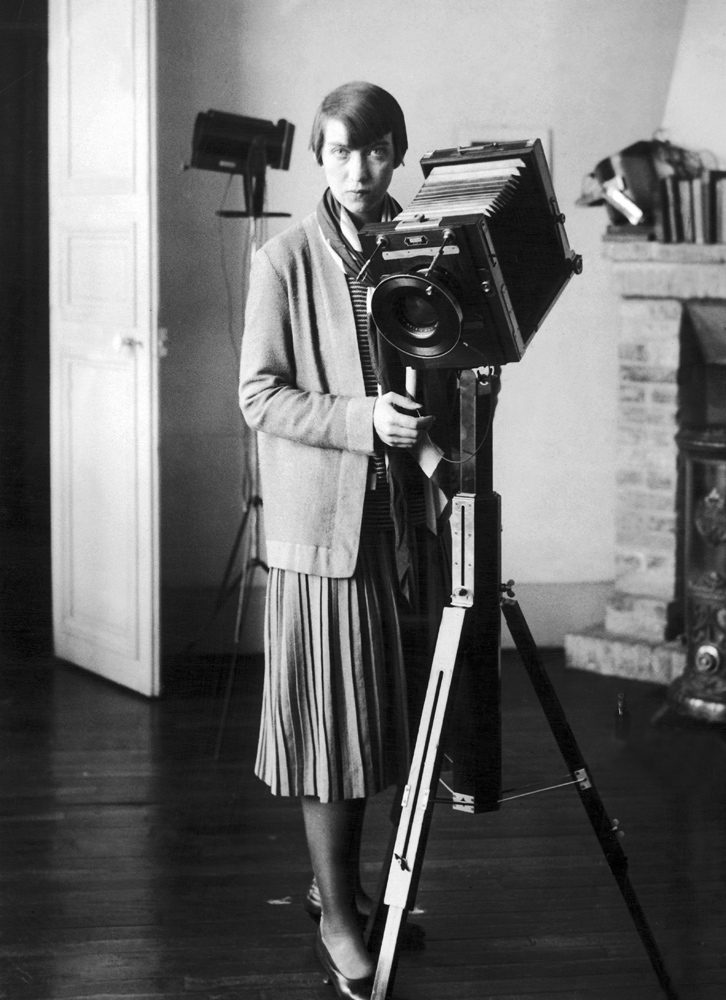
American photographer who documented New York's transformation in the 1930s and preserved the archive of Eugène Atget for posterity.
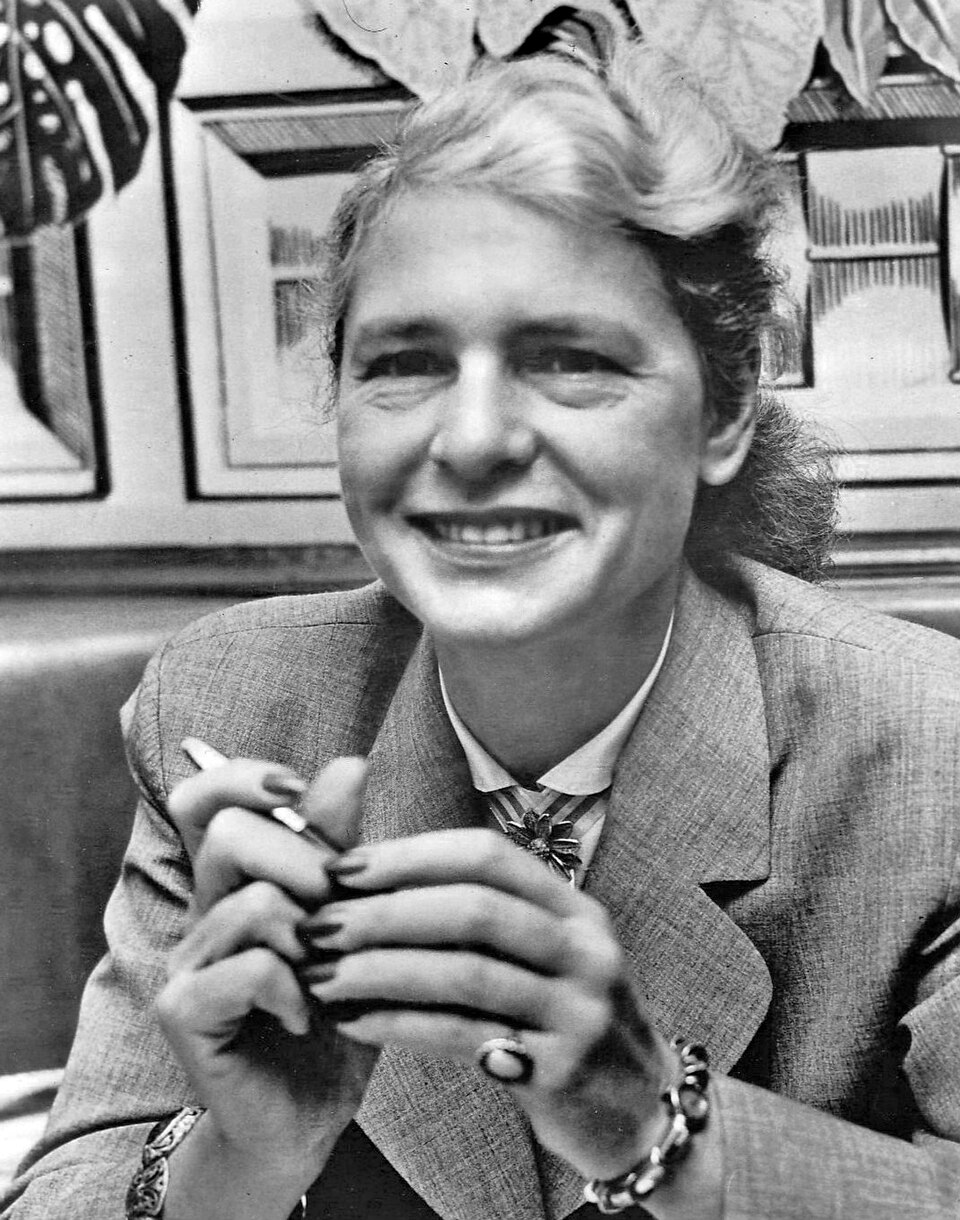
Berenice Alice Abbott was an American photographer best known for her portraits of cultural figures of the interwar period, New York City photographs of architecture and urban design of the 1930s, and science interpretation of the 1940s to the 1960s.
Paris and the Modernist Circle
Abbott left the United States in the early 1920s and settled in Paris, where she studied sculpture before turning to photography. From 1923 to 1929 she worked as an assistant to the Dadaist and Surrealist photographer Man Ray, learning the technical craft of the portrait studio while moving among the literary and artistic avant-garde. During these years she produced a remarkable series of portraits — among them a celebrated likeness of James Joyce — that captured the interwar cultural moment with directness and psychological weight.
The Atget Archive
In 1927 the French photographer Eugène Atget died, leaving behind an enormous documentary record of old Paris at the moment of its modernisation. Abbott recognised the historical and artistic importance of the work and, together with the art dealer Julien Levy, acquired the archive — thousands of glass-plate negatives and prints. She spent subsequent decades championing Atget's reputation, editing and publishing selections from the collection, and ensuring that a body of work otherwise at risk of dispersal survived intact for scholars and institutions.
Changing New York
Abbott returned to New York in 1929 and was struck by the city's rapid physical transformation. Beginning in 1935, with support from the Federal Art Project, she undertook a systematic photographic survey of the five boroughs. The project — eventually titled Changing New York — recorded skyscrapers alongside tenements, elevated railways alongside pushcart markets, the new alongside the vanishing. Published as a book in 1939 with text by the critic Elizabeth McCausland, the project stands as one of the definitive documentary achievements of the American 1930s.
Science and Later Work
From the 1940s onward Abbott turned her attention to the visual communication of scientific phenomena. Commissioned by the Physical Science Study Committee at MIT, she developed photographs that made abstract principles of physics — wave motion, magnetism, light refraction — visible and legible to students. The work was widely reproduced in textbooks and demonstrated that documentary rigour could serve pedagogy as effectively as it had served social history. She continued to work and publish into old age, and died in Maine in December 1991 at the age of ninety-three.
Photography can never grow up if it imitates some other medium. It has to walk alone; it has to be itself. — Berenice Abbott