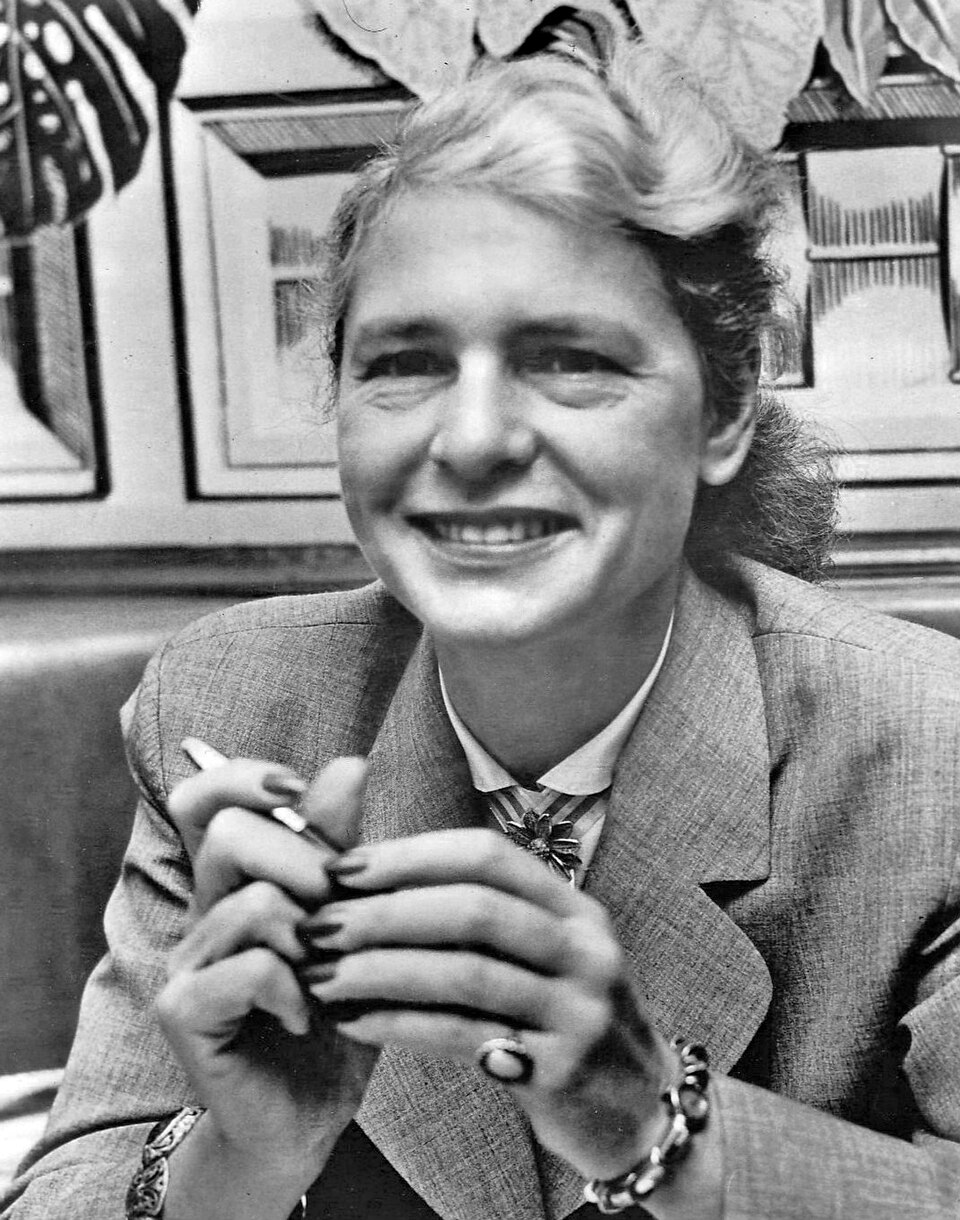
Brassaï
The Hungarian who took the name of a Romanian city and made the night streets of Paris the most photographed darkness of the twentieth century.
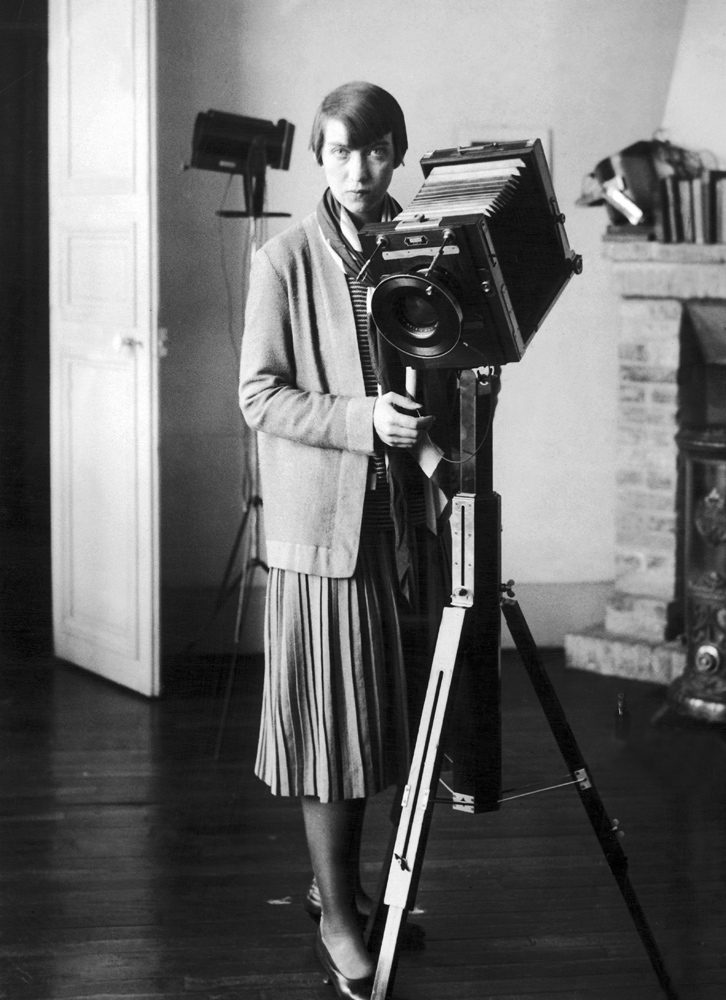
Gyula Halász arrived in Paris in 1924, took the name of his birthplace, and spent the following decade photographing the city's nights — cafés, brothels, fog-slicked boulevards, figures in the dark — producing in Paris de nuit the book that made nocturnal photography a legitimate subject and a signature style.
From Brașov to Paris
Brassaï was born Gyula Halász in Brașov, then a city of Austria-Hungary (now Romania), in 1899. He studied in Budapest and Berlin, where he encountered the artistic life of Weimar Germany, before moving to Paris in 1924. The pseudonym "Brassaï" — derived from "Brașov" — marked the adoption of a new identity alongside a new city. He was one of the many Hungarian artists and intellectuals who found in interwar Paris an environment more hospitable to their ambitions than their native countries.
In Paris he worked initially as a journalist and draughtsman, writing articles about cultural life for Hungarian and German publications. He did not begin photographing seriously until around 1929 — late, by the standards of his peers — but made up for it in intensity and focus.
Paris de nuit
In the early 1930s Brassaï began systematically photographing Paris after dark. The photographs required long exposures, patient positioning, and an intimate knowledge of the city's geography. He frequented the Montparnasse cafés, the brothels of the Latin Quarter, the working-class bars of Belleville, and the empty streets of the Île de la Cité at three in the morning.
Paris de nuit appeared in 1933, published by Arts et Métiers Graphiques with a preface by Paul Morand. It contained sixty-four photographs and presented the city as a place transformed by darkness — familiar landmarks made strange, anonymous figures caught in lamplight. The book was an immediate success and established Brassaï's reputation across Europe.
Paris is a city of water and stone, and the night turns both to silver.
Picasso, writing, and later work
Through the 1930s Brassaï photographed for the Surrealist magazine Minotaure and developed a close friendship with Pablo Picasso, who lived in the same neighbourhood. He documented Picasso's studio, his sculptures, and their conversations over more than two decades — a record published in 1964 as Conversations with Picasso, one of the most sustained accounts of a major artist at work. Henry Miller, another close friend, described Brassaï in Tropic of Cancer as "the eye of Paris."
Beyond photography, Brassaï pursued sculpture, printmaking, and writing throughout his life. He made a documentary film, Tant qu'il y aura des bêtes (1956), which won a prize at Cannes. His work entered the collections of MoMA and major European museums.