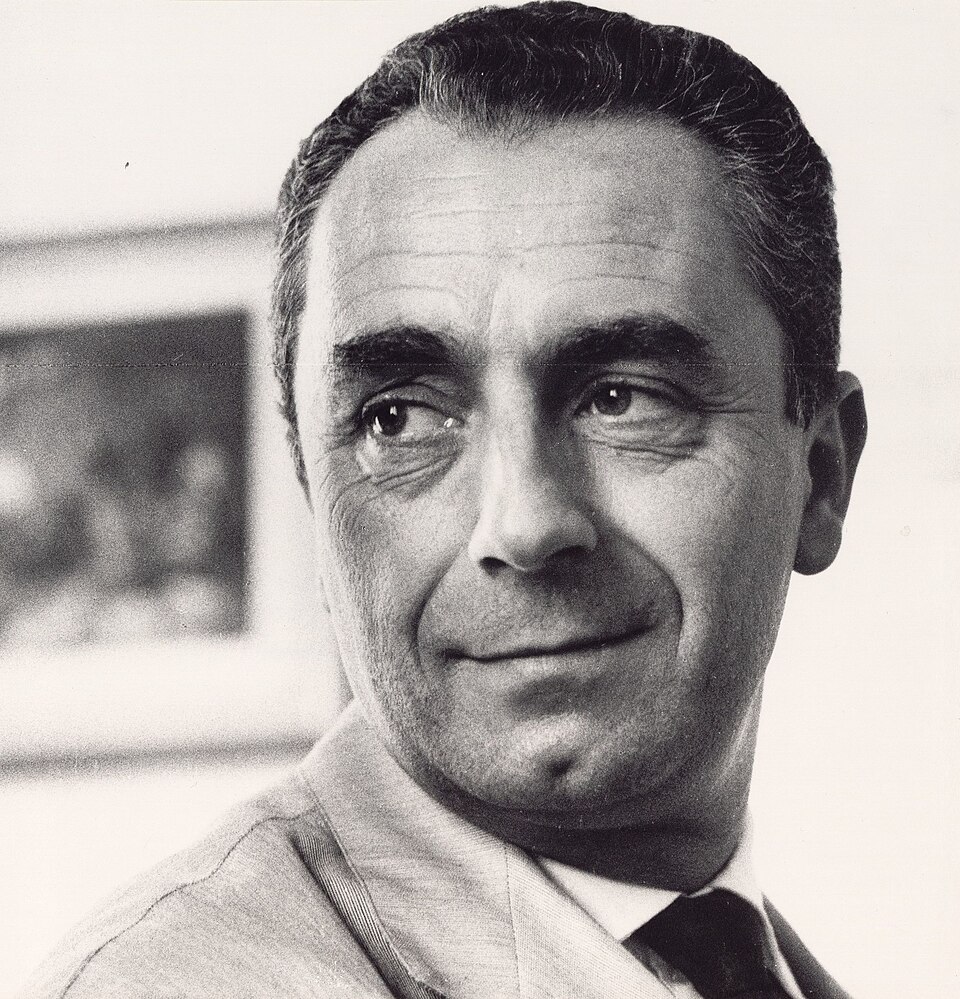
Bernardo Bertolucci
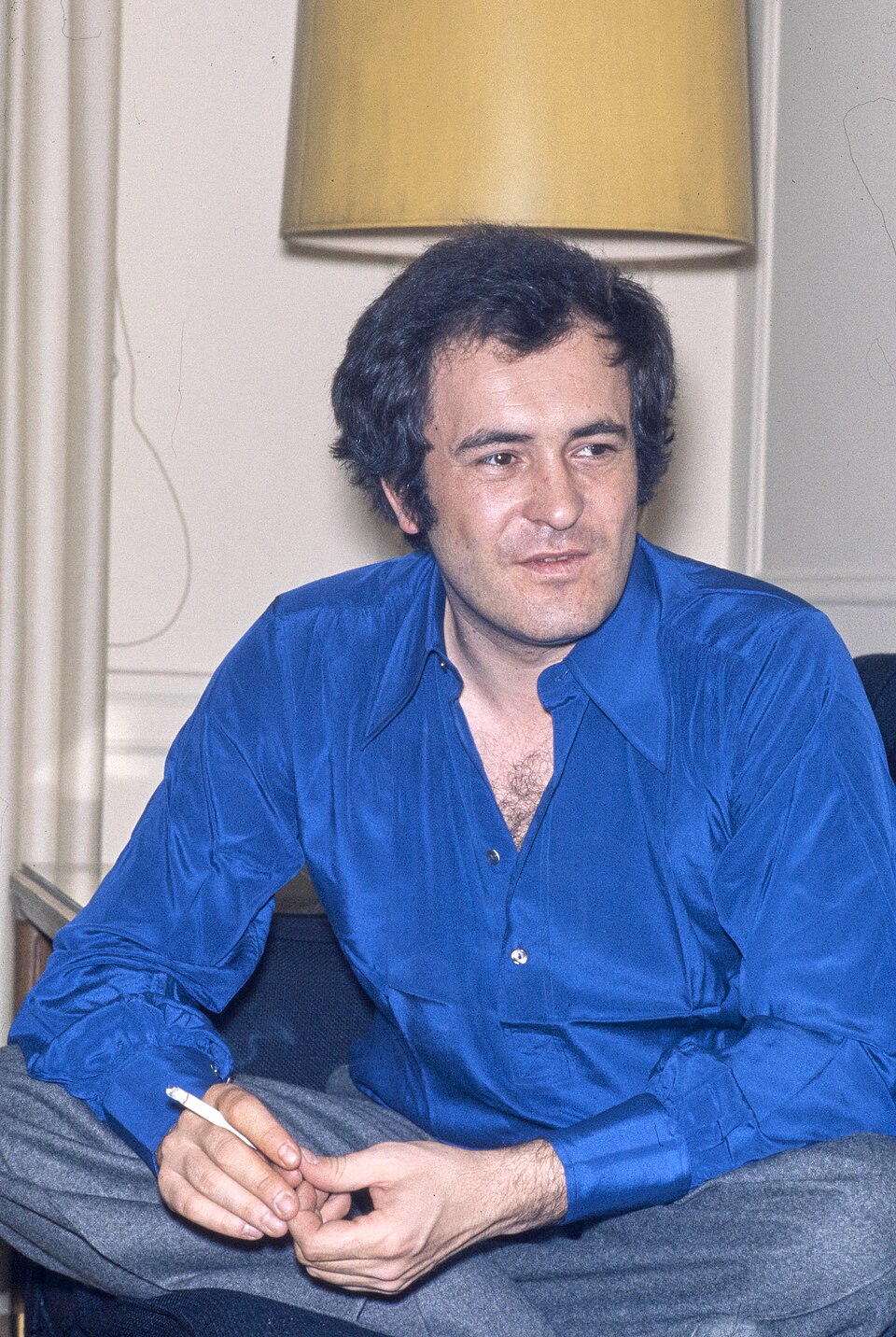
The filmmaker who brought Marxist analysis and Freudian psychology into the grammar of cinema, and then made them beautiful.
Bernardo Bertolucci began his career as a poet and an assistant to Pier Paolo Pasolini, and the twin inheritances — literary seriousness and political urgency — stayed with him through fifty years of filmmaking. He was the Italian director most fluent in the international cinematic vocabulary of his generation, which allowed him to make a film in Paris that became a scandal, and a film in Beijing that became a monument.
Parma and Pasolini
Born in Parma in 1941 to a family with literary credentials — his father Attilio was a poet and film critic — Bertolucci published his first collection of poetry at twenty and won the Premio Viareggio for it. He had already begun working as Pasolini's assistant on Accattone (1961) and made his own first feature, La commare secca, the following year.
His early films — Before the Revolution (1964), Partner (1968) — were formally experimental, engaging with French New Wave methods and with a Marxist politics shaped by the upheaval of 1968. They established a sensibility that treated ideology not as backdrop but as the material content of desire: what characters want politically and what they want personally are expressions of the same psychological formation.
The major works
The Conformist (1970), adapted from Alberto Moravia's novel, traced a man's complicity with Italian Fascism through a story of sexual and political compromise. Shot by Vittorio Storaro in long amber and shadow, it is one of the most photographed films of its decade.
Last Tango in Paris (1972), starring Marlon Brando and Maria Schneider, was an international sensation and a legal case in Italy, where it was briefly banned and Bertolucci was convicted of obscenity (a conviction later overturned). The film's ambitions — grief, anonymity, the body as refuge from history — were genuinely serious; its production history has been the subject of sustained controversy.
1900 (Novecento, 1976), a five-hour fresco of the Italian twentieth century seen through the lives of a landowner's son and a peasant, was operatic in scale and explicitly political in conclusion.
The Last Emperor
The Last Emperor (1987), the first Western production permitted to film inside the Forbidden City, followed the life of Pu Yi from infant emperor to citizen of Communist China. It won nine Academy Awards, including Best Picture and Best Director — the first Italian director to receive the latter — and placed Bertolucci among the few filmmakers whose work could sustain historical epic without sentimentality.
Later films — The Sheltering Sky (1990), Little Buddha (1993), The Dreamers (2003) — maintained international scope and subject while varying widely in critical reception.
Cinema is a mirror by which we look at ourselves, but always in another face.