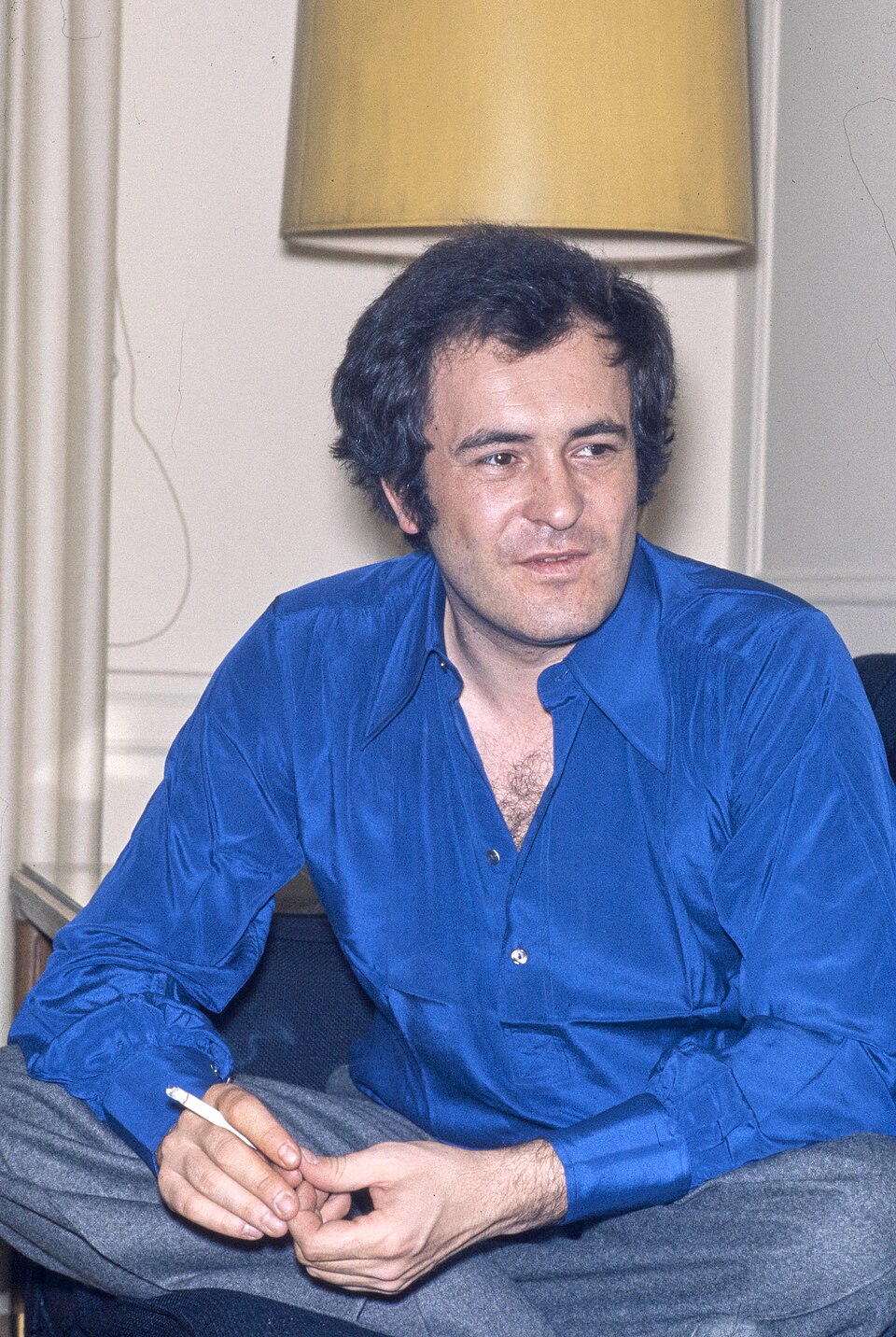
Ingmar Bergman
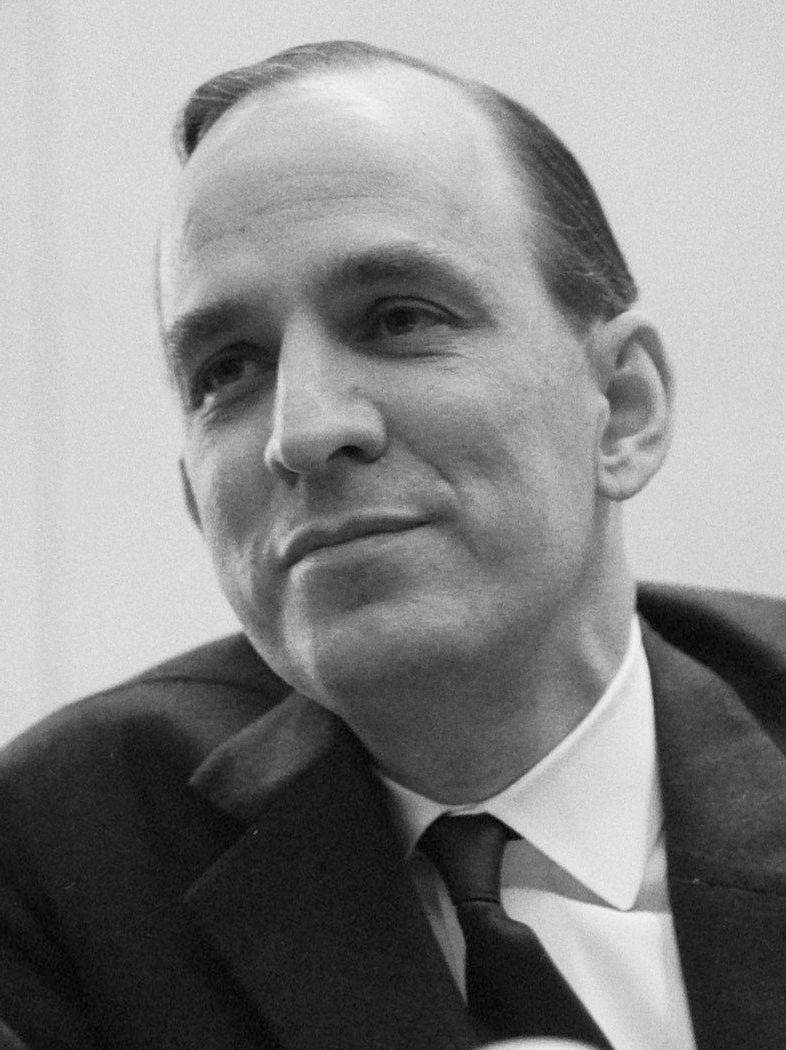
The Swedish director who made cinema's encounter with existential dread and the silence of God into an art of hallucinatory precision, transforming the face into the primary landscape of modern film.
Ingmar Bergman is the filmmaker against whom all claims of cinematic seriousness have been measured since the 1950s. In a career spanning five decades and more than fifty films, he returned again and again to a handful of questions — the existence of God, the nature of love, the intractability of the self — and found, each time, new formal means to ask them without resolution.
Origins and Formation
Bergman was born in Uppsala in 1918, the son of a Lutheran pastor whose strict household became both wound and resource. The rituals of faith, the weight of guilt, the theatrical discipline of the church — these formed the emotional vocabulary he would spend his life translating into film and theatre.
He entered cinema as a screenwriter, working with director Alf Sjöberg on Torment (1944) before making his directorial debut with Crisis (1946). His early films show a director learning the grammar of cinema rapidly, moving through genre exercises — comedies, melodramas, period pieces — with gathering confidence. By Summer with Monika (1953) and Sawdust and Tinsel (1953), the distinctive Bergman atmosphere — the merciless close-up, the undeflected gaze into human cruelty and longing — was fully formed.
The Defining Period
The Seventh Seal (1957), in which a medieval knight plays chess with Death, announced Bergman to international audiences. The film's iconography — the chess game on the beach, the Dance of Death against a grey sky — became among the most widely reproduced images in cinema history. Released in the same year, Wild Strawberries pursued entirely different methods: an aged professor, travelling to receive an honorary degree, drifts through waking memories and dreams that indict his emotional coldness.1
The films of the early 1960s — Through a Glass Darkly (1961), Winter Light (1962), The Silence (1963) — form a loosely connected trilogy of faith's disintegration. Persona (1966) remained his most formally radical work: two women, an actress who has stopped speaking and a nurse assigned to her care, their identities beginning to merge in ways the film refuses to explain or resolve.
Method and Collaborators
Bergman's working method was built on long associations with a stable of actors — Bibi Andersson, Liv Ullmann, Max von Sydow, Gunnar Björnstrand — whom he used across many films, developing what amounted to an ongoing psychological conversation in public. His decades-long partnership with cinematographer Sven Nykvist produced some of the most distinctive light in film history: grey northern overcast, the gradations of shadow on a face, the rare moment of brutal summer sun.
He worked simultaneously in theatre — as head of the Royal Dramatic Theatre in Stockholm from 1963 to 1966 — treating the two forms as complementary disciplines rather than competing demands. The influence of theatre on his cinema is visible in his preference for interior spaces, in his staging of two or three figures in unresolved confrontation.
Legacy
Bergman received Academy Awards for Best Foreign Language Film for The Virgin Spring (1960), Through a Glass Darkly (1961), and Fanny and Alexander (1982). He is consistently placed in the highest tier of directors in critical polls. Directors as different as Woody Allen, Andrei Tarkovsky, and Lars von Trier have identified his work as constitutive of their own.
His final theatrical feature, Fanny and Alexander (1982), was conceived as a summation — a three-hour family saga in which the whole of his visual and thematic world is gathered. He continued writing for television and theatre until near the end of his life.
Film has nothing to do with literature; the character and substance of the two art forms are usually in conflict.
Footnotes
- Bergman wrote the script for Wild Strawberries in three weeks, reportedly after a visit to the hospital where he had been born, which rekindled memories of his childhood. ↩