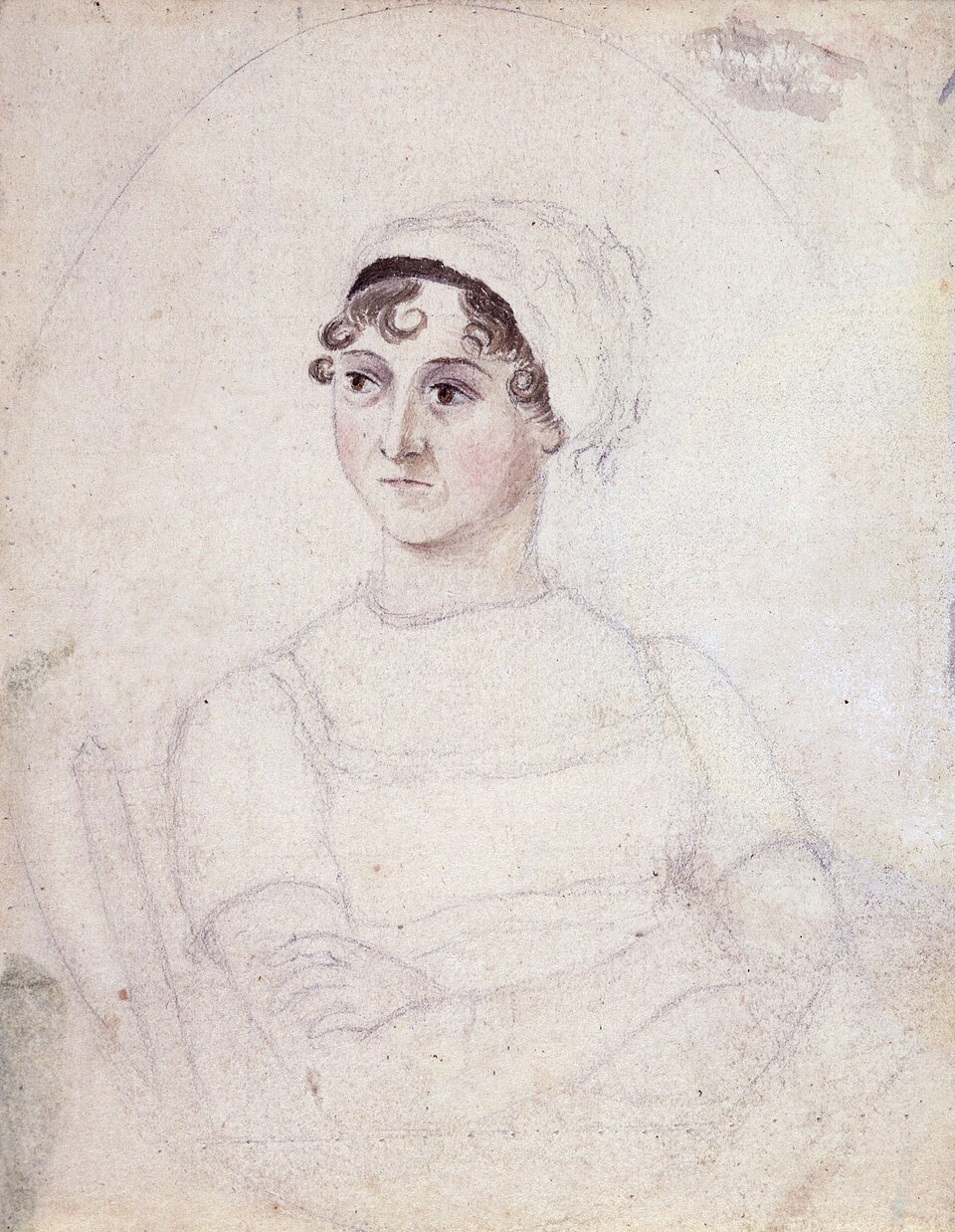
Charles Dickens
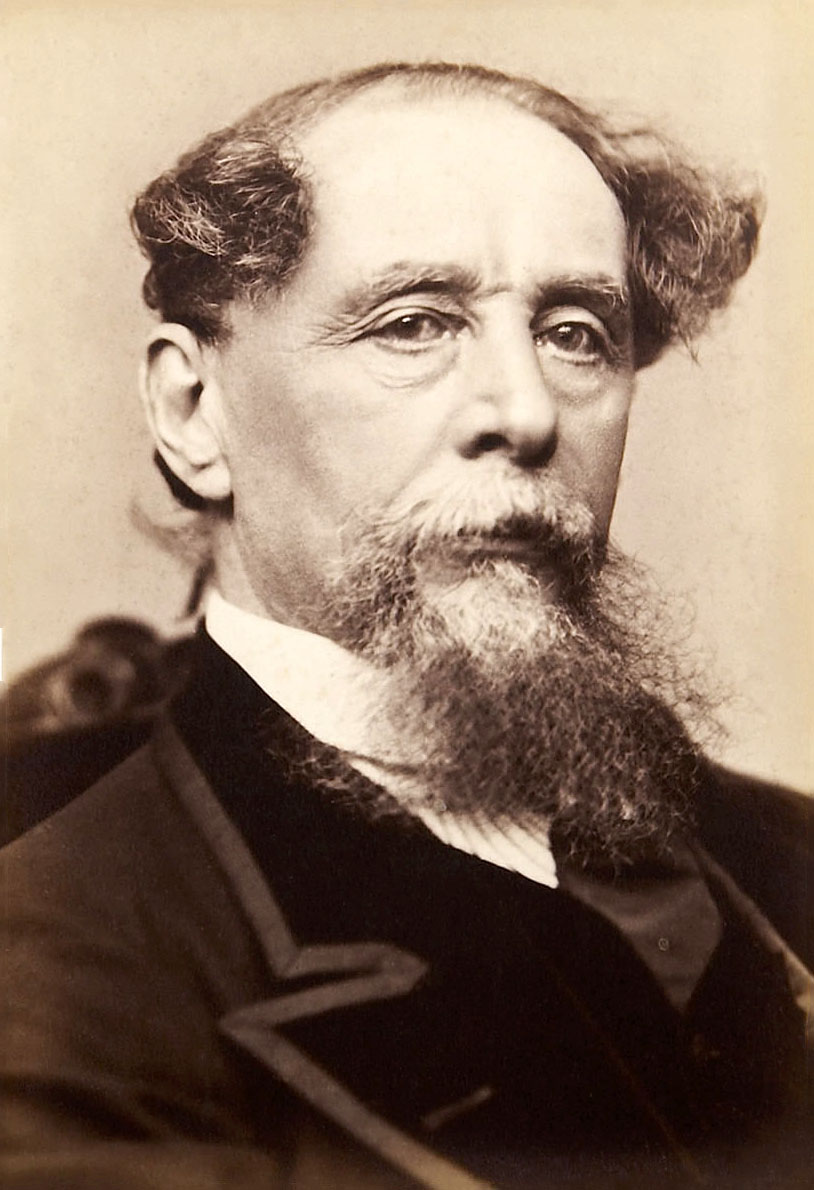
The Victorian novelist who turned serial fiction into social force — and made the plight of the poor irresistible to the comfortable.
Charles Dickens published his first novel in monthly instalments and never really stopped. Over thirty-five years he produced fifteen novels, hundreds of stories, and more vivid minor characters than any other English writer — all while editing his own magazines and giving public readings that filled theatres.
The blacking factory
The biographical fact Dickens concealed most carefully was the most formative. In 1824, when he was twelve, his father John Dickens was imprisoned for debt in the Marshalsea. Charles was removed from school and sent to work at Warren's Blacking factory, pasting labels on boot-blacking pots. The humiliation — the abandonment, the repetition, the public visibility — stayed with him.1
It surfaces everywhere: in Oliver Twist's workhouse, in the Marshalsea scenes of Little Dorrit, in Pip's shame in Great Expectations. Dickens told almost no one. The autobiographical fragment that revealed it was only published after his death.
It was the best of times, it was the worst of times, it was the age of wisdom, it was the age of foolishness, it was the epoch of belief, it was the epoch of incredulity, it was the season of Light, it was the season of Darkness, it was the spring of hope, it was the winter of despair.
Serial form and social pressure
Dickens understood that the serial instalment was not a delivery mechanism but a rhetorical one. Monthly readers lived with his characters over years — they protested when characters died, petitioned him on plot points, and received each number as a social event. The Pickwick Papers (1836–1837) made him famous overnight. Oliver Twist (1837–1839) turned the machinery of sentiment toward the workhouse.
A Christmas Carol (1843) sold six thousand copies on its first day and entered the culture so completely that Dickens is credited — with some exaggeration — with reinventing the English Christmas.
The later novels
The mid-career novels are the ones that lasted. David Copperfield (1849–1850), which Dickens called his favourite child, is the most transparently autobiographical. Bleak House (1852–1853) is the most formally radical — dual narrative, present tense, the fog of Chancery as atmosphere and argument. A Tale of Two Cities (1859) and Great Expectations (1860–1861) are leaner, more plotted, driven by a compression the earlier serial mode never demanded.
He died at Gad's Hill Place in 1870, mid-sentence in The Mystery of Edwin Drood.
Footnotes
- The blacking factory episode was suppressed by Dickens during his lifetime. John Forster published the autobiographical fragment in his 1872 biography, two years after Dickens's death. ↩