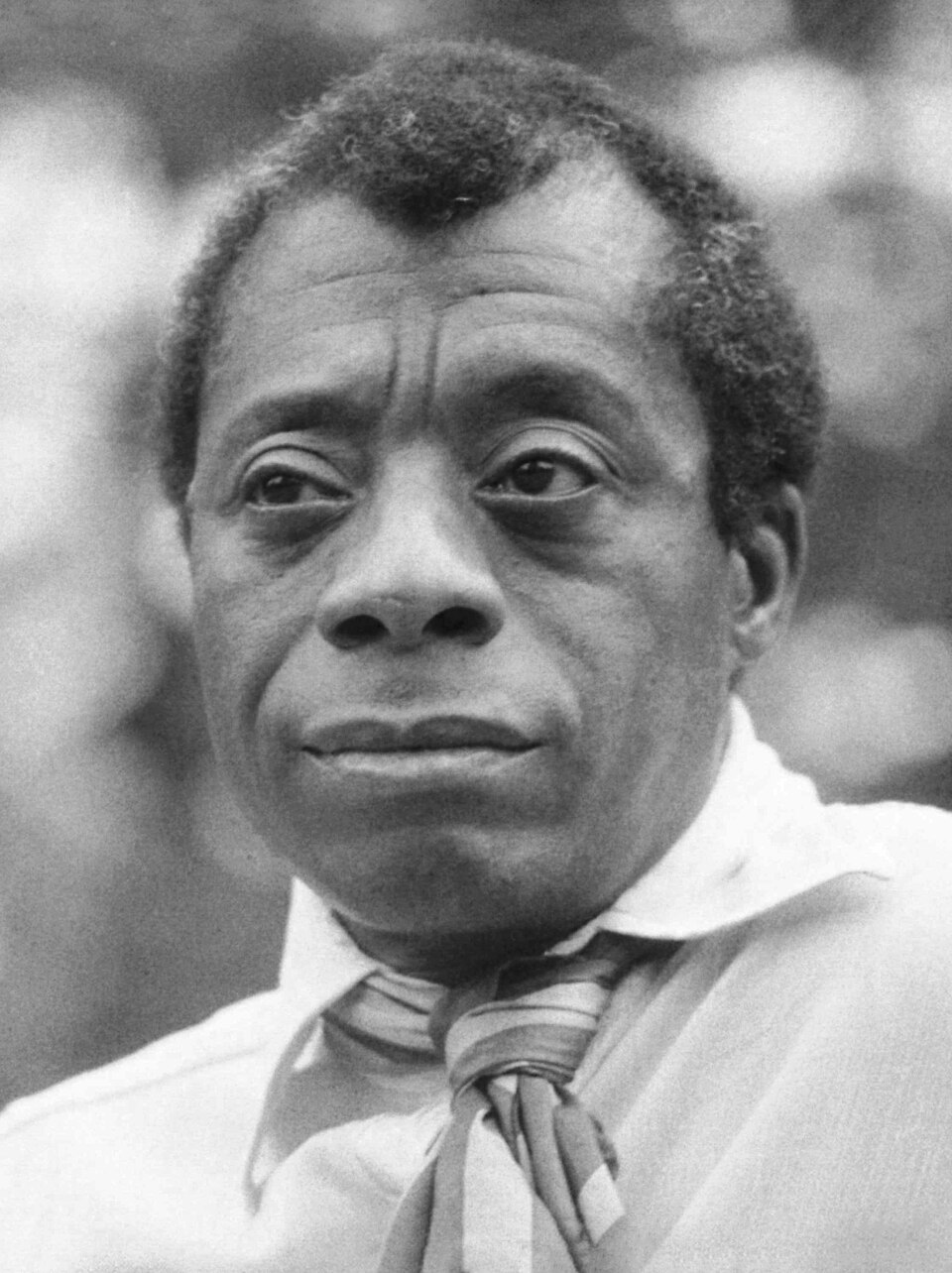
Chinua Achebe
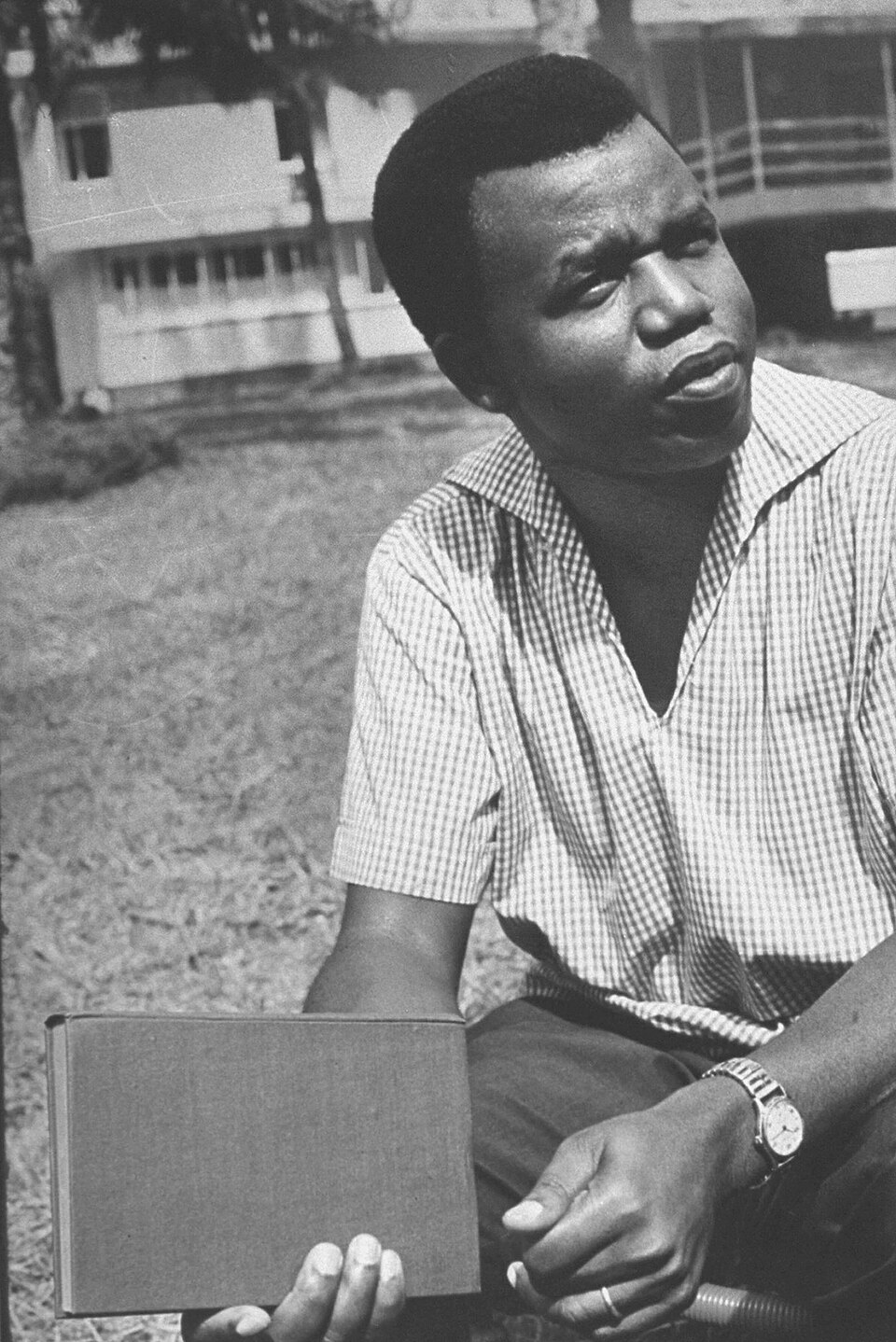
He wrote the novel that cracked open African literature to the world, and then spent the rest of his life explaining why the world had been wrong to ignore it.
Chinua Achebe published Things Fall Apart in 1958, when he was twenty-seven years old and Nigeria was still a British colony. The novel told the story of an Igbo community from the inside — its logic, its tensions, its encounter with colonialism — and in doing so refuted the entire tradition of Africa-as-backdrop that had dominated European fiction. It became the most widely read, translated, and studied African novel ever written. Achebe spent the following five decades teaching, writing, and insisting that literature is not merely ornamental but is a site where peoples define themselves.
Origins
Albert Chinualumogu Achebe was born on 16 November 1930 in Ogidi, in what was then the Colony and Protectorate of Nigeria. His father was a teacher with the Church Missionary Society, and Achebe grew up bilingual in Igbo and English, in a household at the edge of two worlds. He was educated at Government College Umuahia, an elite colonial secondary school, and then at University College Ibadan — then affiliated with the University of London — where he read English literature and encountered the condescension toward African culture that would animate his writing. After graduating he joined the Nigerian Broadcasting Service, eventually becoming controller of the Eastern Nigeria service in Enugu.
Things Fall Apart and the African Trilogy
Things Fall Apart (1958), published by William Heinemann after initial rejections by London agents, centres on Okonkwo, a respected Igbo warrior whose world is dismantled by the arrival of British missionaries and administrators. The novel's structural achievement is that it presents Igbo society as fully human — complex, flawed, internally contested — before the colonial encounter, rather than as the empty stage European fiction had made of it. The book was an immediate critical success and has since been published in more than fifty languages. No Longer at Ease (1960) follows Okonkwo's grandson, now a civil servant in colonial Lagos, navigating corruption and failed ideals. Arrow of God (1964), set in the 1920s, returns to Igboland and is often considered Achebe's most technically accomplished novel. Together the three form what critics have called the African Trilogy. A Man of the People (1966), a satirical novel about post-independence political corruption, appeared the same week as the Nigerian military coup that ended the First Republic — a coincidence that made its author briefly famous for the wrong reasons. Anthills of the Savannah (1987), his fifth and final novel, returned to the theme of power and its corruptions in an unnamed African state, and was shortlisted for the Booker Prize.
The Biafran War and exile
When Nigeria's Eastern Region declared independence as the Republic of Biafra in 1967, Achebe supported the Biafran cause, travelling internationally as a cultural ambassador and writing poems and essays about the war. The conflict, which ended in 1970 with the defeat of Biafra and immense civilian casualties, marked him deeply. He never wrote another novel for seventeen years. After the war he taught at universities in Nigeria and, increasingly, abroad — at the University of Massachusetts Amherst and then at Bard College in New York, where he held the Charles P. Stevenson Jr. Chair in Languages and Literature from 1990 until his death.
Critical work
Achebe's 1977 essay "An Image of Africa: Racism in Conrad's Heart of Darkness" became one of the most cited and contested pieces of literary criticism of the twentieth century. He argued that Joseph Conrad's novel, long taught as a masterpiece of modernist ambiguity, was in fact a racist text that dehumanised Africans in the service of a European psychological drama. The essay polarised opinion and has never left the curriculum it entered.
"The writer cannot expect to be excused from the task of re-education and regeneration that must be done. In fact he should march right in front."