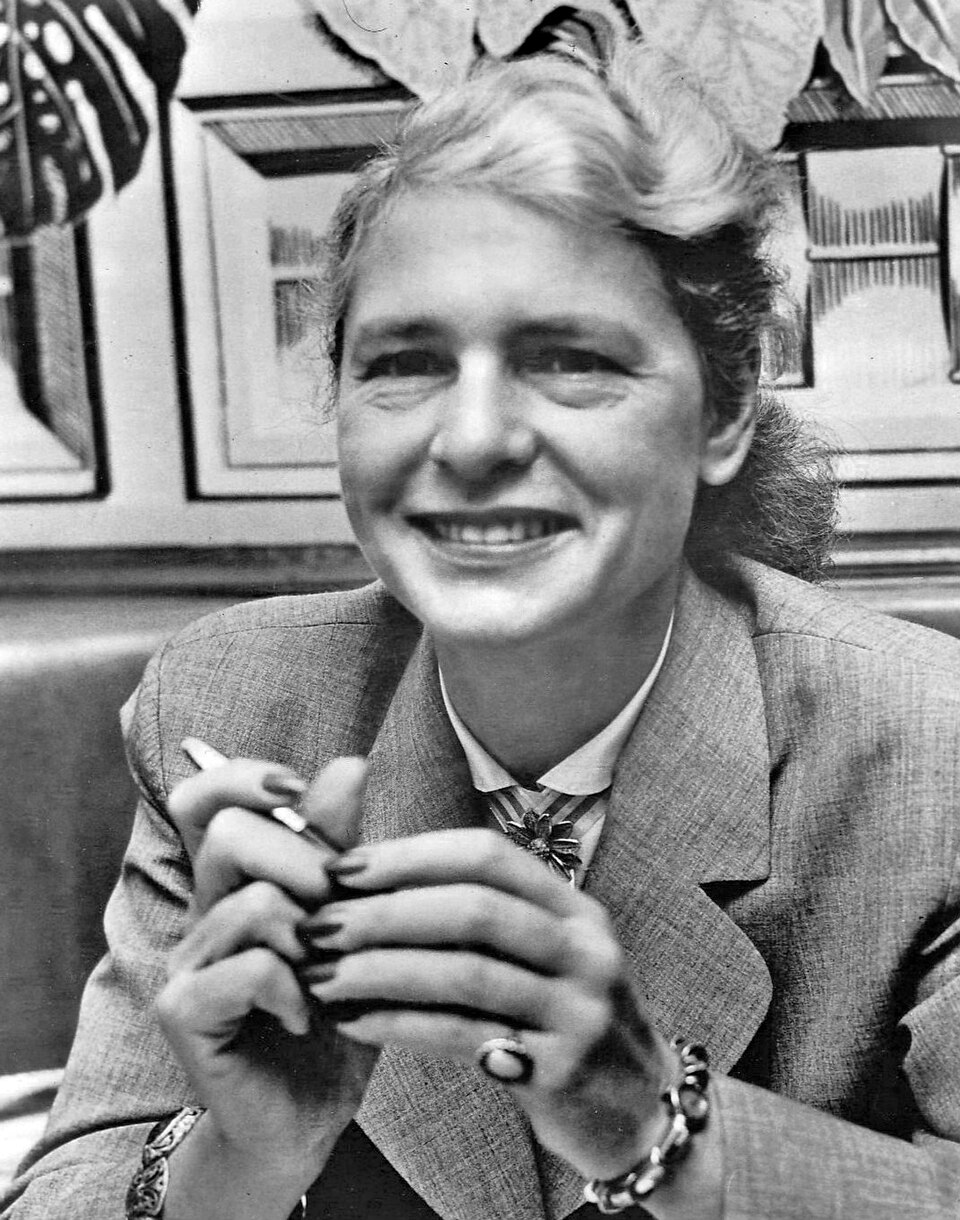
Dorothea Lange
A documentary photographer whose images of Depression-era America set the ethical terms for what socially engaged photography could be and do.
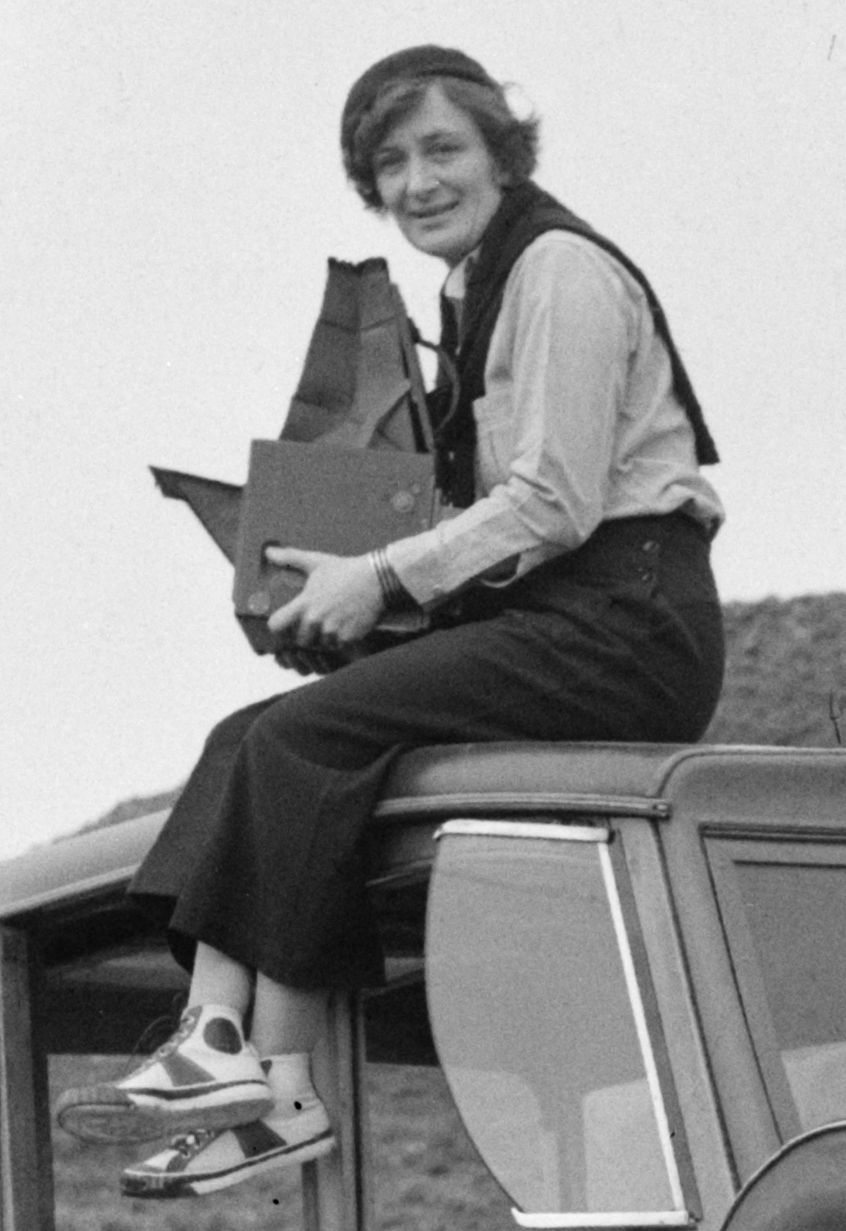
Dorothea Lange spent much of the 1930s driving the back roads of California and the South with a large-format camera, producing photographs of displaced farm workers, migrant families, and rural poverty that gave the Great Depression a human face. She was not an observer at a distance — she was, by training and temperament, a portraitist who happened to carry her studio into the world.
Early career and portrait studio
Lange was born in Hoboken, New Jersey, in 1895. She contracted polio at age seven, leaving her with a permanent limp — an experience she later credited with sharpening her attention to the body and to vulnerability. She studied photography under Clarence H. White at Columbia University, then apprenticed with Arnold Genthe in New York. In 1918 she moved to San Francisco and by 1919 had established a successful portrait studio serving the city's wealthy clientele.
Her studio work was technically accomplished and commercially solid. But the onset of the Depression changed what she saw outside her window. In 1932 she began photographing people on the streets of San Francisco — the unemployed, the breadlines, the faces of men who had stopped expecting much. The shift from studio portraiture to street documentation was, she later said, irreversible.
The FSA years and Migrant Mother
In 1935 Lange was hired by the Resettlement Administration (later the Farm Security Administration), the federal agency charged with documenting rural poverty to build support for New Deal relief programmes. Working under economist Paul Schuster Taylor — whom she married in 1935 — she travelled throughout California, Arizona, and the South.
In February or March 1936 she stopped at a pea-pickers' camp near Nipomo, California, and made six photographs of Florence Owens Thompson and her children. The image that became known as Migrant Mother — Thompson looking off-frame, two children turned away from the camera, a baby in her lap — was distributed by the FSA and printed widely in newspapers.1 It became the defining image of the Depression, reproduced so often that it has been argued to function less as a photograph than as an icon.
Japanese American internment
In 1942, at the request of the War Relocation Authority, Lange documented the forced removal and internment of Japanese Americans following Executive Order 9066. Her photographs — of families assembled at collection points, of the internment camps themselves — were critical and unsparing. The military authorities suppressed them for the duration of the war; they were not widely seen until later.
| Project | Years | Subject |
|---|---|---|
| San Francisco street work | 1932–34 | Urban unemployment |
| FSA field work | 1935–39 | Rural poverty, migrant labour |
| Internment documentation | 1942 | Japanese American forced removal |
| LIFE magazine assignments | 1950s | International documentary |
Method and legacy
Lange worked with a 4×5 Graflex and later a Rolleiflex, often at close range, almost always in available light. She was interested in hands as much as faces — the way a body holds itself when exhausted or afraid. Her compositional sense was learned in the portrait studio: she waited, moved around her subjects, looked for the moment when posture and expression aligned.
Photography takes an instant out of time, altering life by holding it still.
Footnotes
- Lange's description of the encounter, written shortly afterwards, notes that she did not ask Thompson her name. Thompson was later identified and interviewed, expressing ambivalence about the photograph's fame and her own visibility within it. ↩