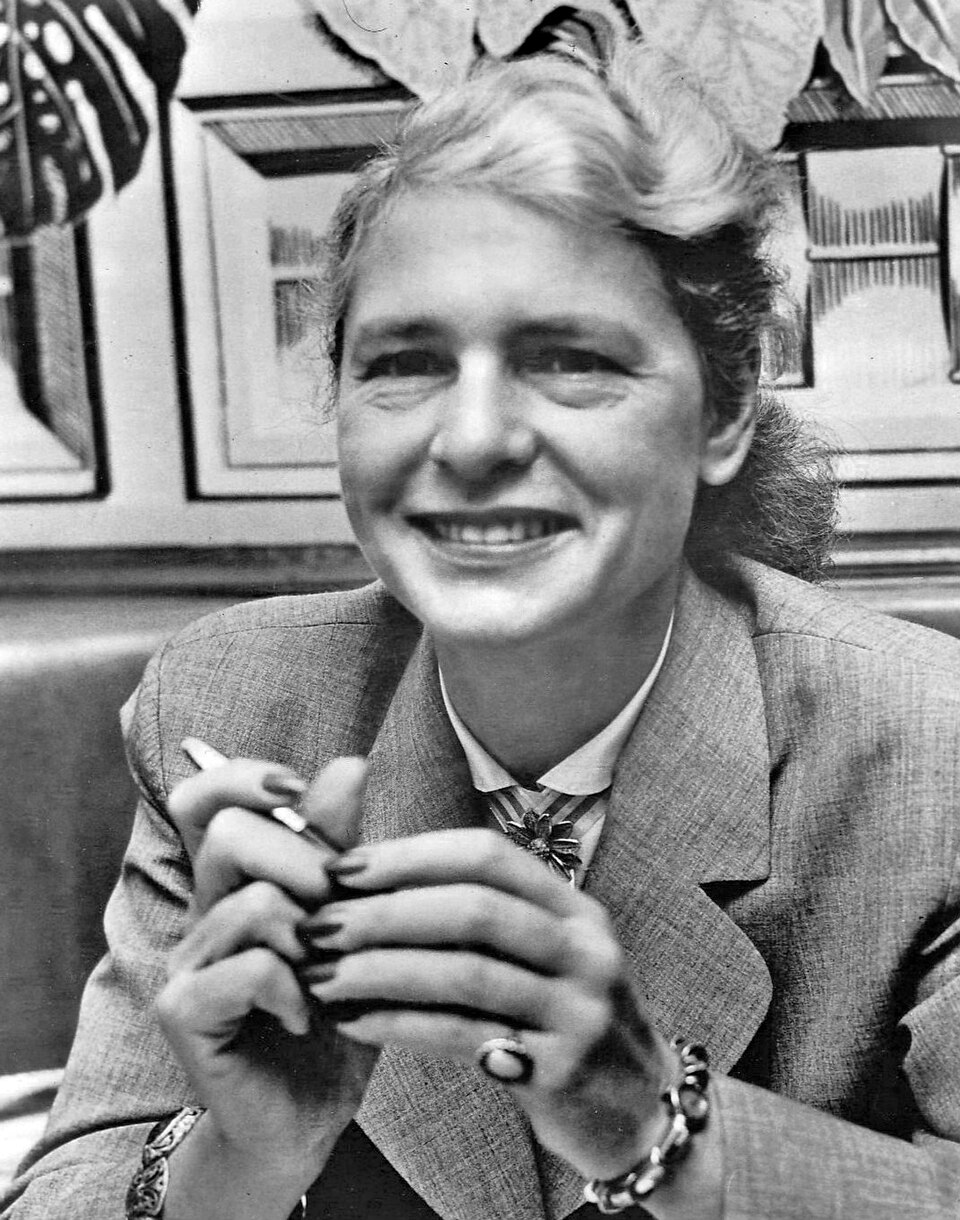
Edward Steichen
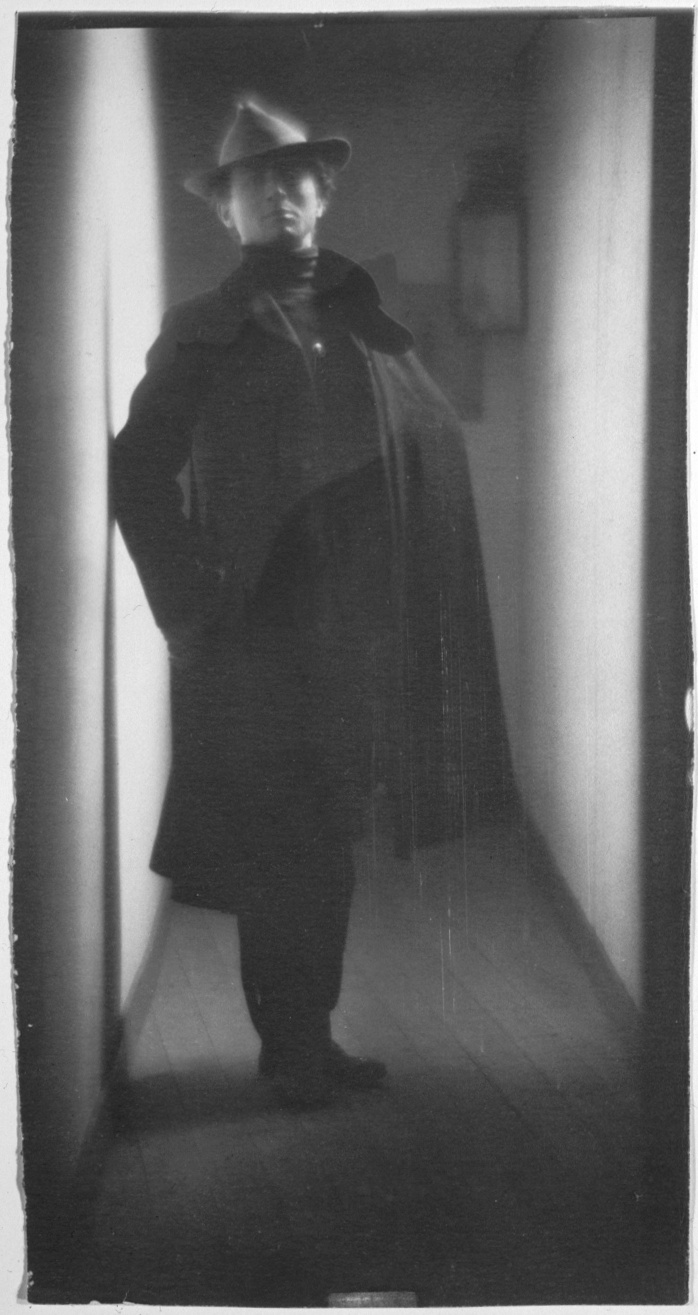
The Luxembourgish-American photographer who moved from Pictorialist painterliness to sharp-focus commercial mastery, becoming the most influential image-maker of the first half of the 20th century.
Edward Steichen's career spanned a medium's transformation from amateur art to mass communication, and he drove that transformation as much as anyone. He began as a Pictorialist painter-photographer in the circle of Alfred Stieglitz, was reshaped by the documentary demands of aerial photography in the First World War, became the highest-paid commercial photographer in the world through the 1920s and 1930s, and ended as a museum curator whose most famous exhibition was seen by nine million people. No other figure moved with such authority through all four of those positions.
Origins and early photography
Steichen was born in Bivange, Luxembourg, in 1879. His family emigrated to the United States when he was young, and he grew up in Wisconsin. He was self-taught as a photographer, and in 1900 he went to New York, where he met Alfred Stieglitz. The encounter was decisive. Stieglitz was the dominant figure in American art photography, advocating for the medium's status as a fine art rather than a mechanical record; Steichen absorbed this position and extended it. He co-founded the Photo-Secession with Stieglitz in 1902, an organisation dedicated to advancing photography as art, and contributed to Camera Notes and Camera Work, Stieglitz's journals. His early photographs were atmospheric, soft-focus, painterly — designed to demonstrate that the camera could achieve the effects of the canvas.
War and stylistic shift
Steichen served as an aerial photography officer in the First World War, coordinating photography for military reconnaissance. The demands of the role — clarity, precision, legibility under operational conditions — pulled him entirely away from Pictorialism. After the war he destroyed his paintings, committed to photography as its own medium, and began working in the sharp-focus, high-contrast style that would define his commercial period. He also studied colour photography in this period, a technical investment that paid dividends in the fashion work to come.
Commercial mastery
From 1923 to 1938 Steichen served as chief photographer for Condé Nast publications, principally Vogue and Vanity Fair. He earned fees that made him, at his peak, among the highest-paid photographers in the world. His fashion images combined the graphic clarity of modernist design with a precise understanding of lighting that made garments and faces read as objects worth looking at. He also worked extensively in advertising, producing photographs for major American companies. The fashion photographs he had made in 1911 for Art et Décoration — the first modern fashion photographs to be published — had anticipated this direction by more than a decade.
MoMA and The Family of Man
In 1947 Steichen was appointed Director of Photography at the Museum of Modern Art in New York, a post he held until 1962. He organised numerous exhibitions during this period, but the most significant was The Family of Man, which opened in 1955. Drawing on submissions from photographers around the world, the exhibition assembled 503 photographs into a narrative about shared human experience — birth, work, love, death. It travelled to thirty-seven countries and was seen by an estimated nine million people, making it one of the most visited photography exhibitions in history. Critics argued about its sentimentality; its reach was undeniable.
Legacy
Steichen died on 25 March 1973 in West Redding, Connecticut, aged 93. His career mapped almost the entire history of photography as a serious medium, from its struggle for acceptance as art through its total command of mass communication. Few individual careers in any visual medium cover equivalent ground.
"Photography records the gamut of feelings written on the human face, the beauty of the earth and skies that man has inherited."