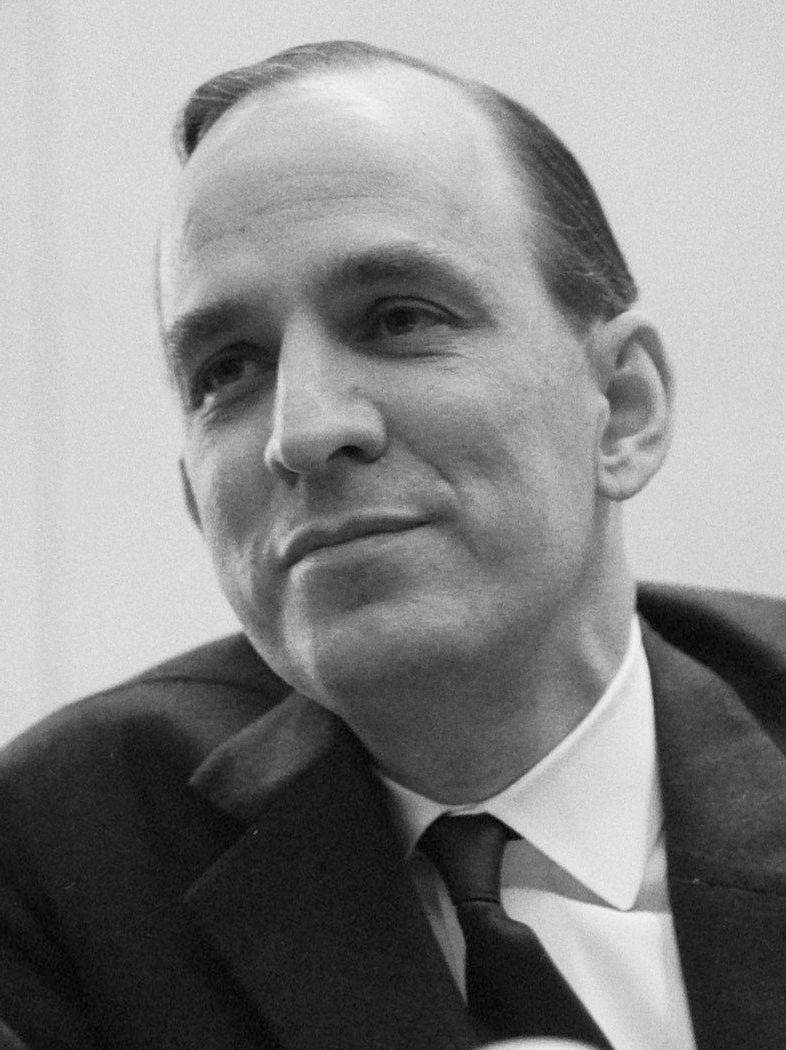
Éric Rohmer
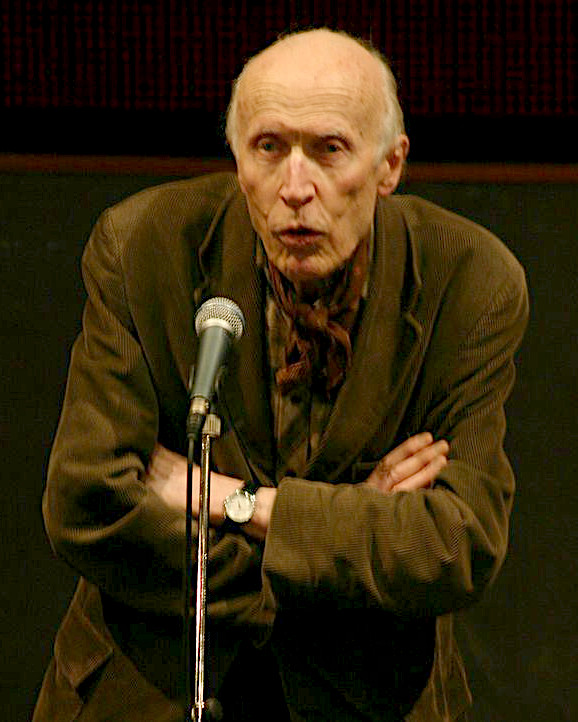
The New Wave's quietest filmmaker, who spent fifty years making films about the gap between what people say and what they feel.
Éric Rohmer was the last of the New Wave directors to achieve his mature style and the most committed to a single set of questions: why do people deceive themselves about what they want, and what do they say when they think they are being honest? His answer took the form of fifty years of films built almost entirely from conversation, landscape, and the faces of people trying to work out what they mean.
The critic who waited
Born Maurice Schérer in Tulle in 1920, Rohmer worked as a teacher and literary critic before coming to cinema. He adopted his pseudonym in the early 1950s, drawn from two novelists he admired. At Cahiers du cinéma, which he edited from 1957 to 1963, he was the intellectual conscience of the New Wave — publishing essays on Hitchcock, Murnau, and the classical Hollywood film, arguing for a cinema that was literature by other means.
While Godard and Truffaut were making films that broke grammar, Rohmer was studying grammar. He made a short film as early as 1951 but did not complete his first feature until 1959. His career accelerated slowly and lasted until 2007 — he was eighty-six when he shot his final film.
The Moral Tales
The Six Moral Tales — made between 1963 and 1972, though the cycle was conceived earlier — are the spine of his reputation. Each follows a man who is drawn toward a woman other than his established partner, rationalises the temptation, and ultimately returns to what he had. The tales are not moral in the prescriptive sense; they are studies of moral narration — how the male voice edits experience into a story in which he is always the reasonable one.
My Night at Maud's (1969) and Claire's Knee (1970) are the fullest achievements: chamber pieces of enormous conversational density, in which desire, philosophy, and self-deception interweave across a few days of real time.
Later work and method
The subsequent cycles — Comedies and Proverbs (1981–1987) and Tales of the Four Seasons (1990–1998) — showed Rohmer extending his range to women protagonists and to a more explicit playfulness with literary form. He filmed in natural light, with small crews, using real locations whose seasonal character became part of the film's meaning.
His late work included a return to historical subjects: The Lady and the Duke (2001) and The Romance of Astrea and Celadon (2007) were shot on painted digital backdrops — a technique that looked strange but restored period colour with scholarly precision.
Legacy
Rohmer proved that cinema could sustain the kind of ambiguity about character that the novel cultivates — that faces, words, and small physical details can carry as much meaning as any dramatic event. His influence is harder to trace than Godard's or Truffaut's because it is slower-acting; filmmakers who have absorbed him tend to trust conversation and to film less.
My characters talk about what they feel, which is not necessarily the same as what they actually feel.