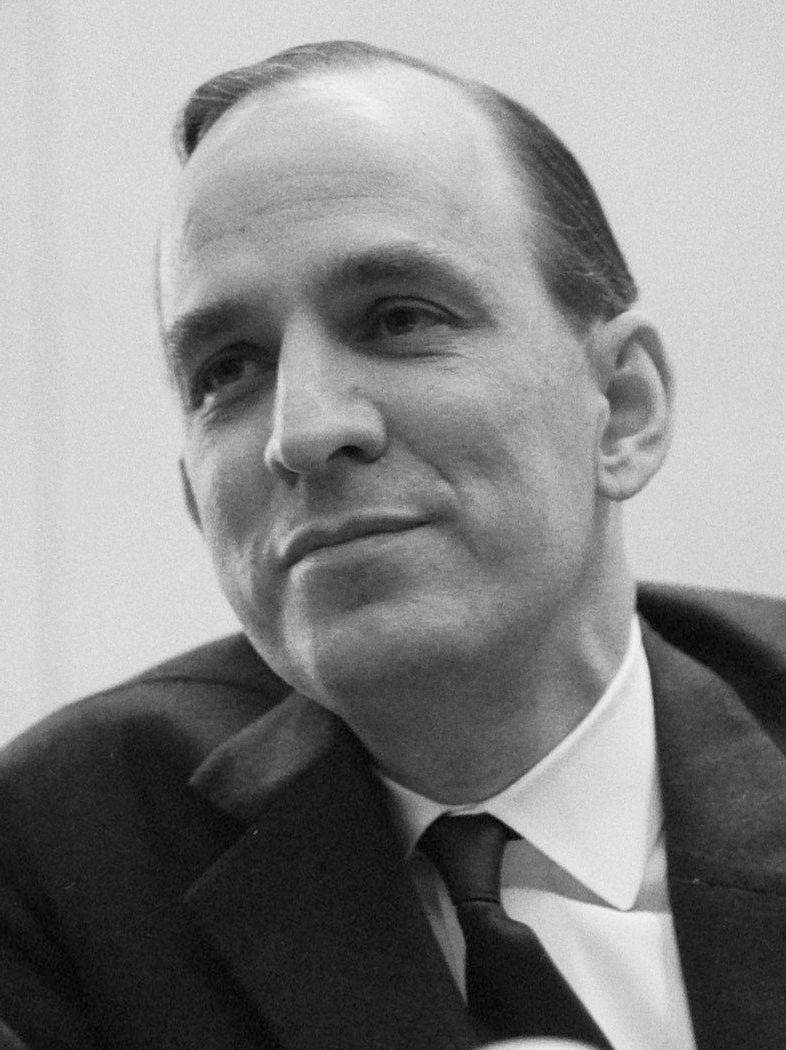
F. W. Murnau
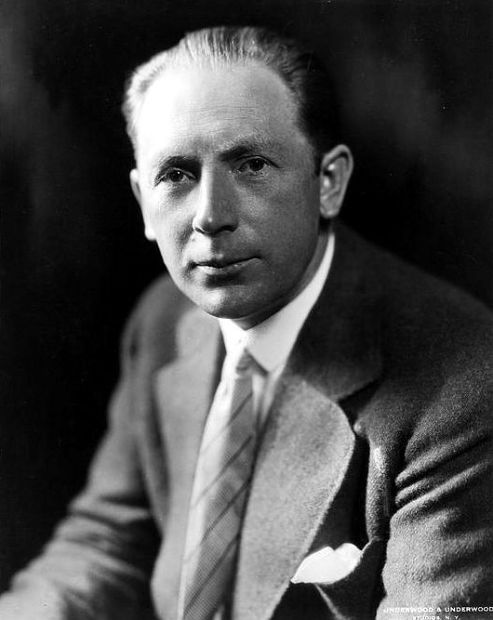
The German silent-film director who turned the moving camera into an instrument of psychological disclosure — making Expressionist shadow and fluid movement inseparable.
F. W. Murnau was one of the supreme technicians of silent cinema — a German director who used lighting, camera movement, and set design with a psychological precision that made visible states of mind the conventions of the time treated as unspeakable. His films, from the unlicensed Dracula adaptation Nosferatu to the Hollywood masterwork Sunrise, defined what a moving camera could do and why it mattered.
Formation in German Expressionism
Friedrich Wilhelm Plumpe was born in Bielefeld in 1888, adopted the stage name Murnau (after the Bavarian town), and studied art history and literature in Berlin and Heidelberg before turning to theatre. He studied acting under Max Reinhardt, the theatrical innovator, and served as a pilot and reconnaissance photographer in the First World War — an experience whose compositional demands arguably sharpened his visual sense.
He began directing films in 1919 as part of the explosion of creative activity in the Weimar Republic. The German film industry of the early 1920s was the most artistically adventurous in the world: studio-built sets freed from naturalism, Expressionist lighting that turned shadow into narrative, and a corps of technical specialists who treated filmmaking as a fine art rather than a commercial enterprise.
Nosferatu and the Expressionist films
Nosferatu, eine Symphonie des Grauens (1922) was produced without the rights to Bram Stoker's Dracula — names were changed but the story was barely disguised, and Stoker's estate won a court order demanding the destruction of all prints. Enough survived to make the film one of the most influential horror films ever made. Max Schreck's Count Orlok, shot in largely naturalistic locations rather than Expressionist studio sets, achieves a genuine uncanniness through physical strangeness and shadow rather than theatrical distortion.
The Last Laugh (Der letzte Mann, 1924) is the film that demonstrated Murnau's technical ambition most clearly. The story of a hotel doorman demoted to lavatory attendant has almost no intertitles — the narrative is carried almost entirely through image and camera movement. The cinematographer Karl Freund mounted the camera on a bicycle, a wheelchair, and a suspended cable to achieve shots that had no precedent: the entfesselter Kamera (unchained camera) that moved through space as if inhabiting the character's consciousness.
The camera is the director's pencil. It should have the greatest possible mobility in order to record the most fleeting harmony of atmosphere.
Faust and the Hollywood years
Faust (1926), a visually spectacular adaptation of Goethe, was his last German film. He was recruited to Hollywood by William Fox, who gave him an unprecedented degree of creative freedom. Sunrise: A Song of Two Humans (1927) — a love triangle filmed in the new location-studio hybrid technique, with elaborate crane shots and travelling shots through constructed environments — won three Academy Awards at the first ceremony in 1929 and is widely regarded as one of the greatest films ever made.
He made two further films at Fox — 4 Devils (1928) and City Girl (1930) — before a creative disagreement ended the relationship. He had begun an independent production in Tahiti, Tabu (1931, co-directed with Robert Flaherty, though the collaboration ended badly), when he died in a car accident on the Pacific Coast Highway near Santa Barbara in March 1931, a week before the film's premiere. He was forty-two.