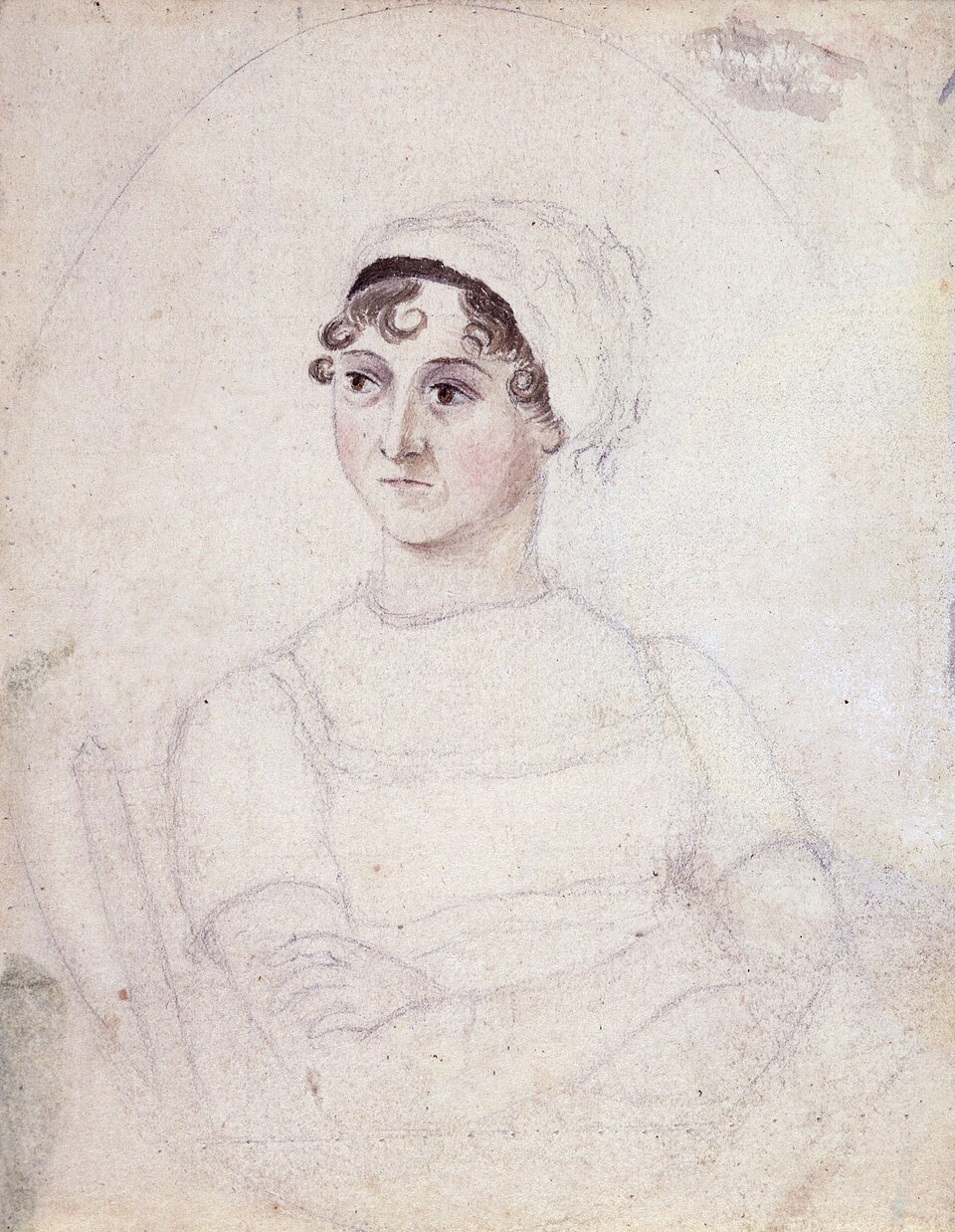
Fyodor Dostoevsky
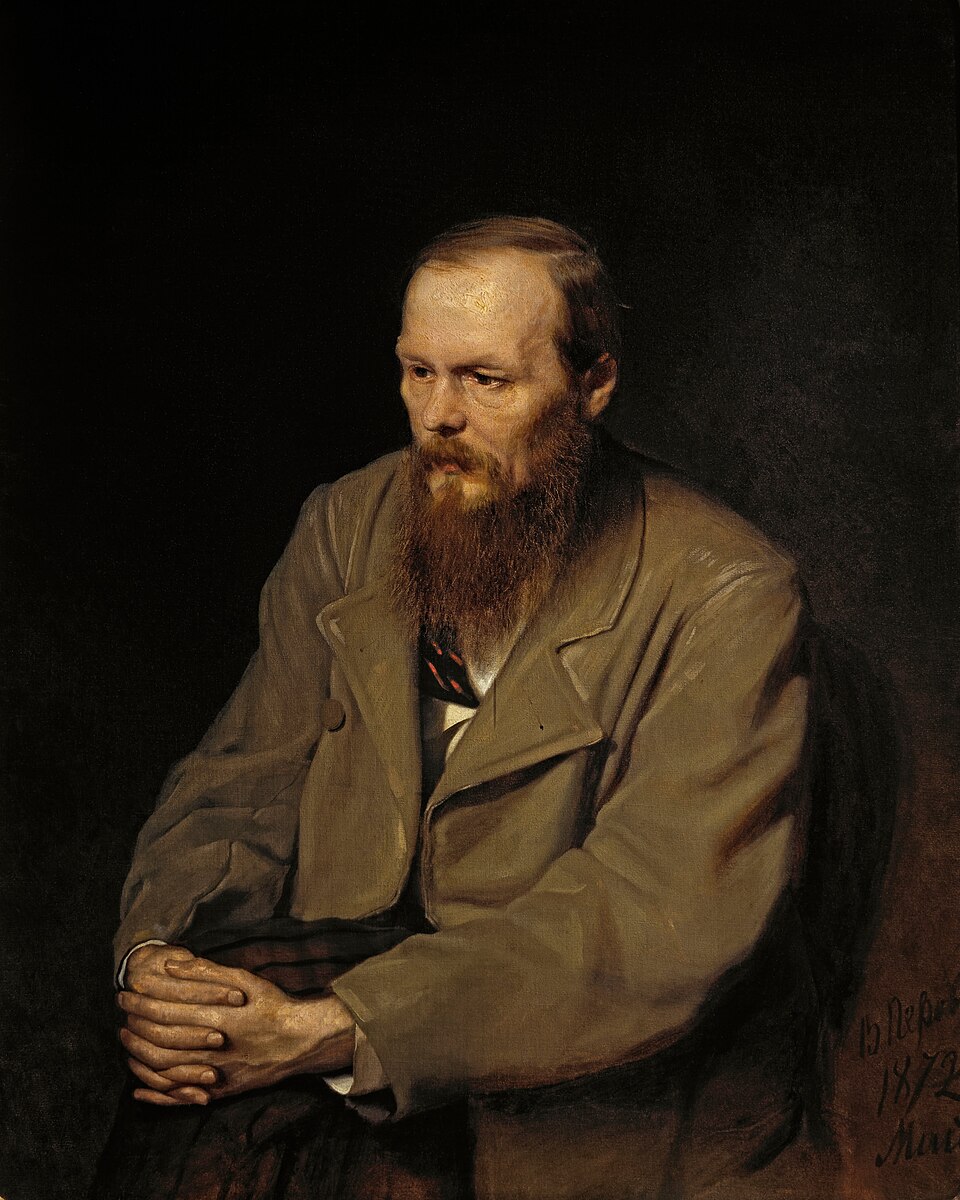
Sentenced to death, reprieved at the last moment, and sent to Siberia — Dostoevsky returned from four years of hard labour to write the novels that would define Russian literature and reshape the Western philosophical imagination.
Fyodor Dostoevsky wrote his first novel at twenty-four and was sentenced to death at twenty-seven. The execution was staged to the point of the rifles being raised before a commutation order was read aloud in Semyonovsky Square. What followed — four years in a Siberian prison camp, then exile — transformed a promising realist into one of the most psychologically penetrating writers in any language. The five major novels he produced after his return remain central to world literature and to the philosophical movements that literature helped generate.
Early life and arrest
Dostoevsky was born on 11 November 1821 at the Mariinsky Hospital for the Poor in Moscow, where his father served as a staff doctor. His mother died of tuberculosis in 1837; his father, by then retired to a small estate, died in 1839 under circumstances that were never fully clarified — probably murdered by his own serfs. Dostoevsky trained as a military engineer in St. Petersburg but resigned his commission almost immediately after graduating in 1844 to write full time. His first novel, Poor Folk (1846), was read in manuscript by the critic Vissarion Belinsky, who declared its author a new Gogol. The praise was accurate and premature: Dostoevsky's subsequent work received a cool reception, and by 1849 he had fallen in with the Petrashevsky Circle, a utopian socialist discussion group that attracted tsarist surveillance. He was arrested in April 1849.
Siberia and return
The mock execution at Semyonovsky Square in December 1849 left a permanent mark. The sentence — four years of hard labour in Omsk followed by compulsory army service in Siberia — was served in full. Dostoevsky returned to St. Petersburg only in 1859. His account of the prison years, The House of the Dead (1862), is documentary in form and harrowing in substance. Back in the capital, he and his brother Mikhail founded the journals Vremya (1861–1863) and Epokha (1864–1865), platforms for the Pochvennichestvo movement, which sought a Russian path distinct from both Western liberalism and revolutionary socialism. Mikhail died in 1864; the journals collapsed. A gambling addiction that would pursue Dostoevsky for a decade reached its worst during this period.
The major novels
Notes from Underground (1864), a short novel in two parts, broke the ground for everything that followed: an unreliable narrator who reasons at length about his own paralysis introduced a mode of psychological self-examination that later critics would call the first existentialist work in prose fiction. Crime and Punishment (1866) brought Dostoevsky to a wide readership — serialised in a journal, urgent and claustrophobic, centred on a murder and the unbearable interior pressure of a guilty conscience. The Idiot (1869) attempted the portrait of a genuinely good person and showed how such a person fares in a corrupt society. Demons (1872) was a fierce political novel — part satire, part tragedy — anatomising the revolutionary cell as a structure of manipulation and destruction. The Adolescent (1875) was a lesser work between two major ones. The Brothers Karamazov (1880), finished months before his death, is by common critical agreement his masterpiece: a murder, a trial, and a sustained theological argument conducted by characters who embody incompatible positions on God, freedom, and suffering. The Grand Inquisitor chapter, in which Christ returns to Seville during the Inquisition and is imprisoned, has been read as a philosophical dialogue without resolution for over a century.
Influence and death
Dostoevsky delivered the Pushkin Speech in Moscow in June 1880, arguing for Russia's universal vocation — a cultural synthesis capable of reconciling national traditions with humanity as a whole. It was received as a triumph and became his public valediction. He died on 28 January 1881, of a pulmonary haemorrhage. His influence crossed every subsequent literary and intellectual movement: Nietzsche read him as a psychologist; Freud identified him as one of the three or four greatest writers who ever lived; Kafka's narrative logic of guilt without clear cause is unimaginable without him; Camus and the existentialists treated Notes from Underground as a foundational document.
"The mystery of human existence lies not in just staying alive, but in finding something to live for."