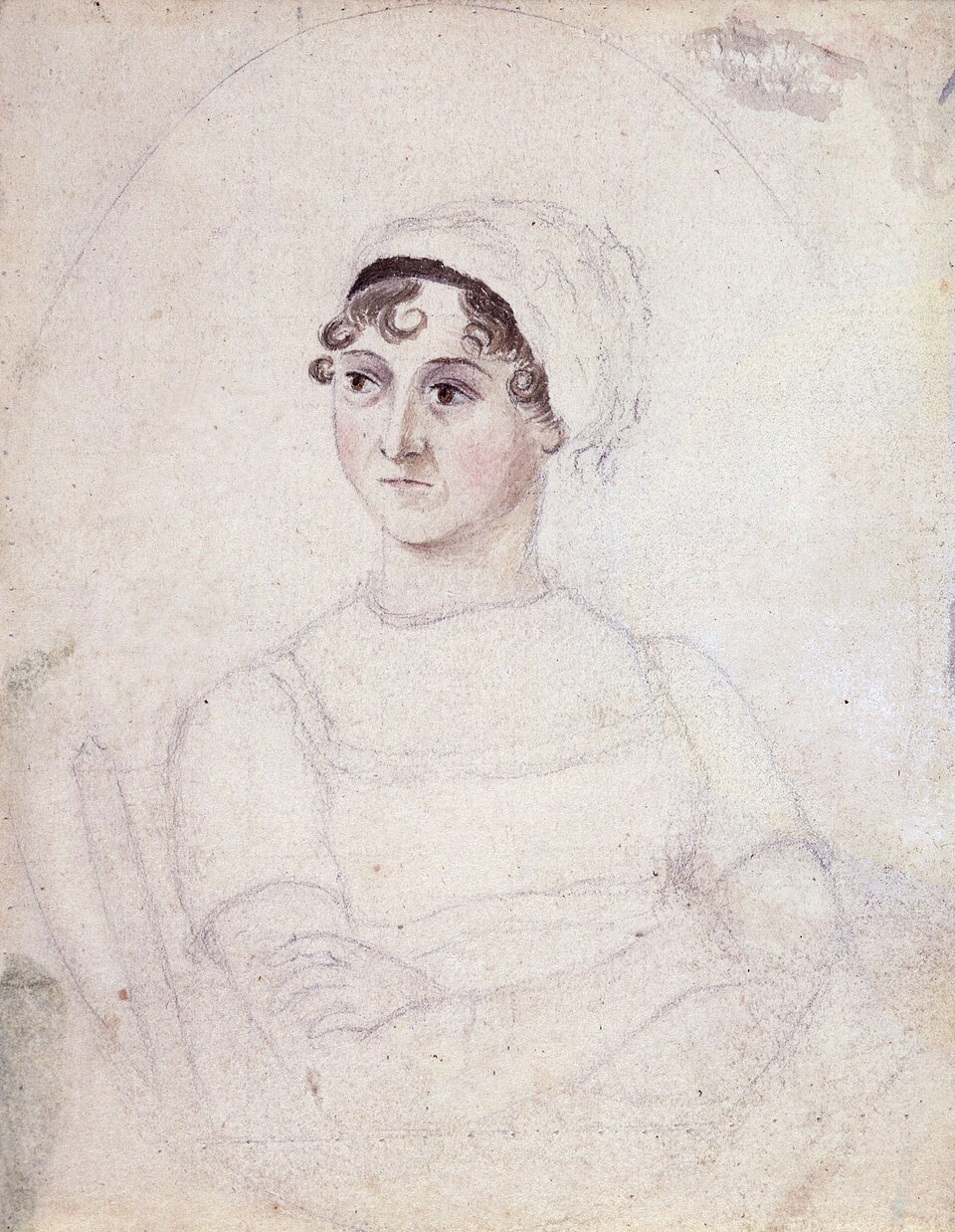
George Orwell
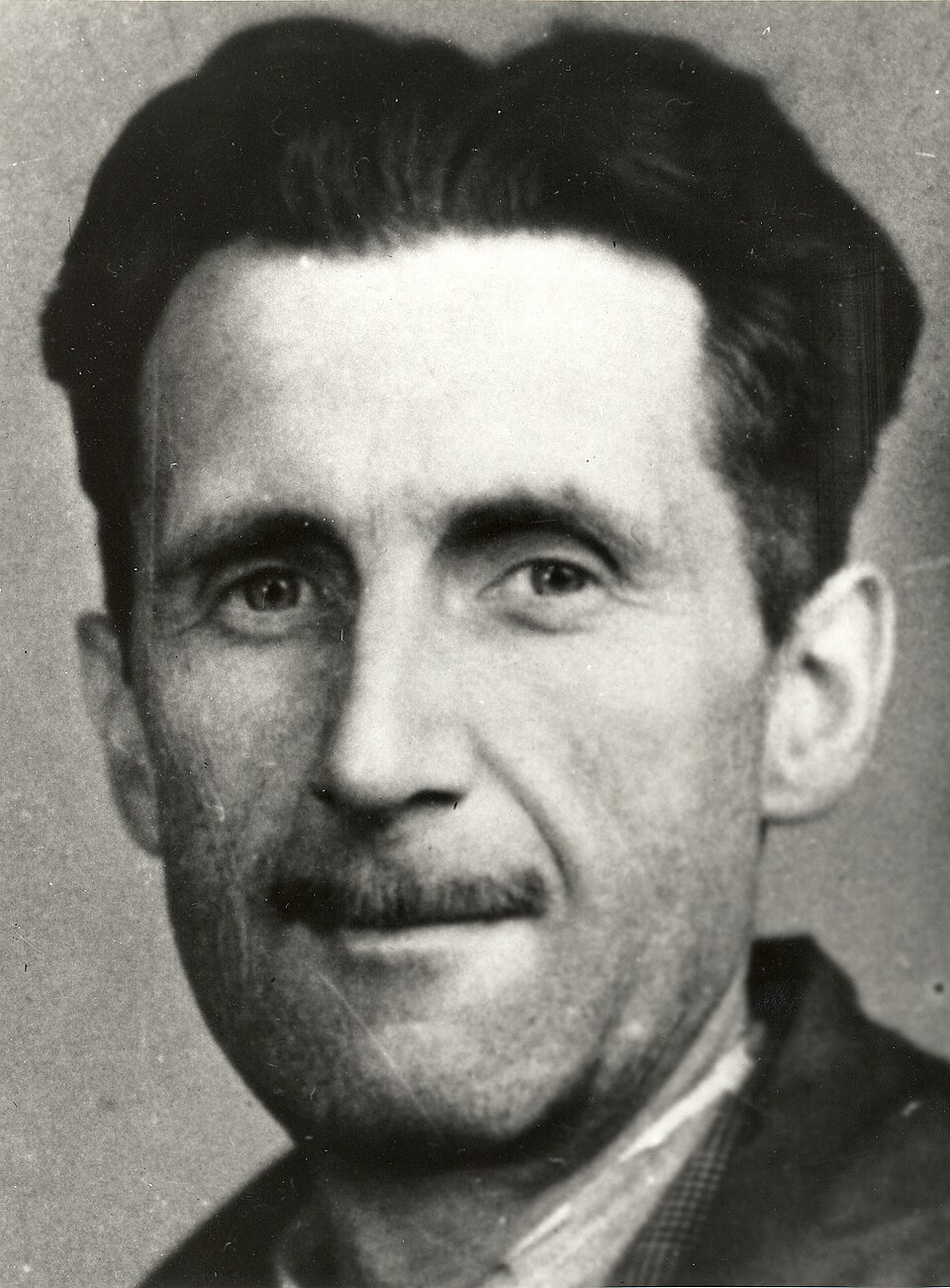
The English novelist and essayist who wrote Animal Farm and Nineteen Eighty-Four, and whose lifelong opposition to totalitarianism shaped the political conscience of the twentieth century.
George Orwell — born Eric Arthur Blair — spent his working life exposing the mechanisms of power: imperial authority in Burma, poverty in Paris and London, class structure in northern England, and totalitarianism in its Soviet form. His two final books made him famous. His essays made him indispensable.
Formation: empire, poverty, and the pen name
Blair was born in Motihari, Bengal, in 1903. His father worked in the Indian Civil Service's Opium Department. The family returned to England when Eric was one; he would grow up middle-class by aspiration, straitened in practice. He won a scholarship to Eton but found no path to university. In 1922 he joined the Indian Imperial Police in Burma, a posting that gave him firsthand knowledge of colonial administration and an abiding disgust for it. "Shooting an Elephant" (1936) is the memoir of that disgust.
He resigned in 1927, returned to Europe, and spent years in deliberate poverty — working as a dishwasher in Paris, as a hop-picker and tramp in England. The resulting book, Down and Out in Paris and London (1933), was his debut. It appeared under the name George Orwell, a pseudonym he adopted partly to spare his family embarrassment and partly as a self-conscious act of reinvention.
Wigan, Spain, and political commitment
The Road to Wigan Pier (1937), commissioned by Victor Gollancz for the Left Book Club, documented unemployment and living conditions in the industrial north of England. The second half turned polemical: Orwell argued that the English left's class condescension alienated the working people it claimed to represent — a critique his own publisher partially suppressed.
In December 1936 he went to Spain to fight against Franco and joined the POUM militia on the Aragon front. He was shot through the throat by a sniper in May 1937 and narrowly survived. More damaging, in his view, was what he witnessed off the battlefield: the Stalinist suppression of the POUM and the anarchists, the falsification of what had happened, the systematic lying of the Communist press. Homage to Catalonia (1938) is his account. It sold fewer than a thousand copies on first publication; it is now a primary document of the period.
The two major novels
Every line of serious work that I have written since 1936 has been written, directly or indirectly, against totalitarianism and for democratic socialism, as I understand it.
Animal Farm (1945) was rejected by multiple publishers before Victor Gollancz and then Jonathan Cape turned it down for fear of offending a wartime Soviet ally. Frederick Warburg finally published it; it became an immediate international success. The allegorical fable — farm animals overthrow their human masters only to find the pigs assuming the same tyranny — gave readers a precise, portable account of how revolutions betray themselves.
Nineteen Eighty-Four (1949) was written on the Scottish island of Jura while Orwell was gravely ill with tuberculosis. The dystopian novel — featuring the totalitarian state of Oceania, Big Brother, the Thought Police, and the Ministry of Truth — introduced a vocabulary that entered the language wholesale: doublethink, Newspeak, unperson, Room 101. He married Sonia Brownell in October 1949 from his hospital bed; he died in January 1950, aged 46, before the full measure of the book's influence could reach him.
Essays and language
Orwell's essays are the other half of his achievement. "Politics and the English Language" (1946) remains a standard reference for clear writing in English, arguing that vague or pretentious language both reflects and enables muddy thought. Its six rules — including "never use a long word where a short one will do" and "if it is possible to cut a word out, always cut it out" — are cited in editorial guidelines to this day. "Why I Write" (1946) is the most candid account any major author has given of what motivates the act of writing.