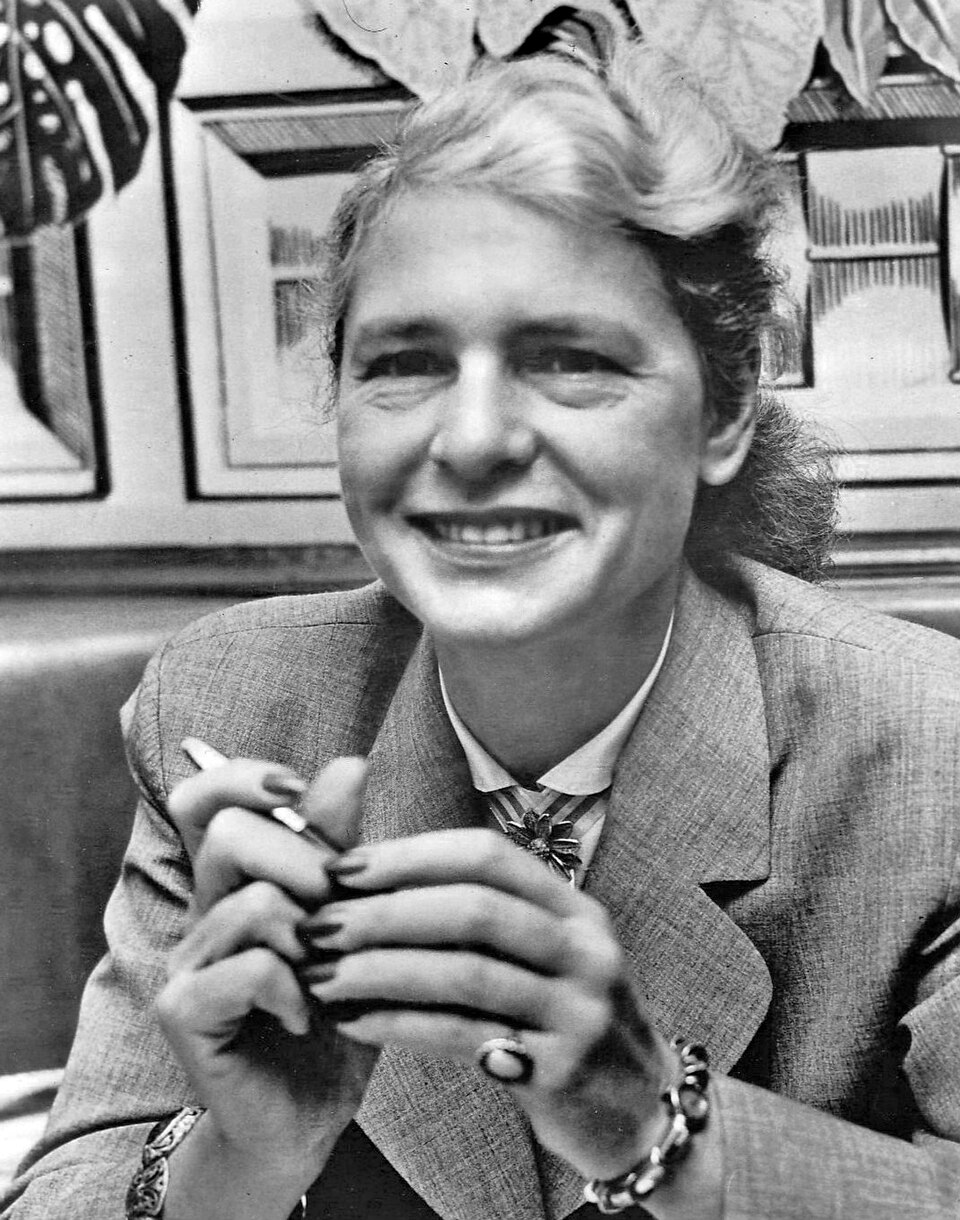
Gerda Taro
The first woman to photograph a war from the frontline, Gerda Taro brought unflinching clarity to the Spanish Civil War — and died doing it at twenty-six.
Gerda Taro arrived in Spain in 1936 as an unknown émigré photographer and left a legend: the first female photojournalist confirmed to have died covering combat. In less than two years of active work she developed a visual language for frontline reportage — close, empathetic, unsparing — that set a standard the profession still measures itself against.
Flight and reinvention
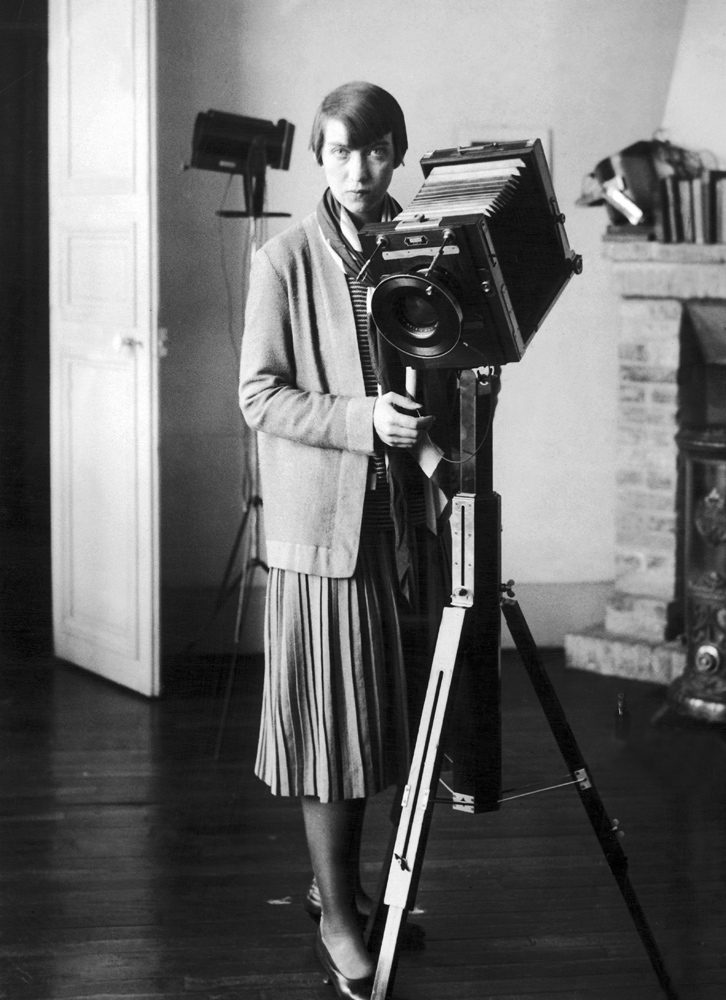
Born Gerta Pohorylle in Stuttgart in 1910, she grew up in a Jewish family and came of age during the Weimar Republic's final years. After the Nazi seizure of power she fled to Paris, where she met the Hungarian photographer André Friedmann. Together they reinvented themselves: Friedmann became Robert Capa, she became Gerda Taro — a name invented partly to make their work easier to sell to French picture editors. She learned photography quickly, initially assisting Capa, and by the time they left for Spain she was shooting independently.
Spain
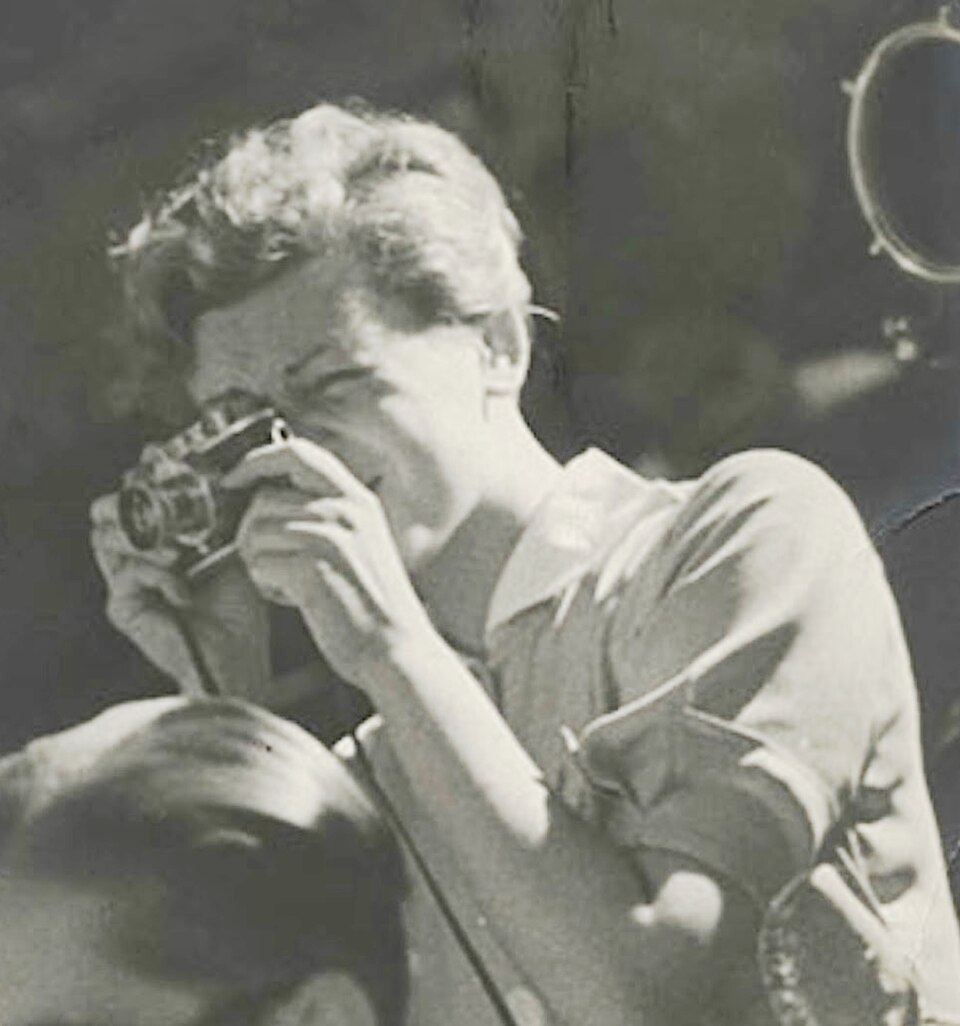
She and Capa reached Spain in August 1936, weeks after the military uprising that began the Civil War. Taro worked with a Rolleiflex and later a Leica, moving between the Republican frontlines and the civilian populations behind them. Her images avoided heroic staging: soldiers caught in the act of waiting, wounded men helped from the field, women in militia training. She photographed the Battle of Brunete in July 1937 with characteristic disregard for her own cover. On 25 July, retreating from Brunete, she was struck by a Nationalist tank and died the following day from her injuries — six days before her twenty-seventh birthday.
You have to run with the soldiers, not behind them.
Method and eye
Taro's approach was distinguished by proximity. She moved inside the action rather than shooting from a safe distance, a choice that produced images of unusual intimacy. Her square-format Rolleiflex work carries a different rhythm from Capa's decisive-moment urgency — steadier, more attentive to face and posture. She was equally interested in the Republican cause's civilian dimension: women, children, and the rearguard communities sustaining the front.
Legacy
Taro's archive was long overshadowed by Capa's. Many of her images were attributed to him for decades because the two often worked together and shared a darkroom. The 2007 discovery of the "Mexican Suitcase" — three boxes of negatives recovered from the Spanish Civil War era — helped restore her independent standing. Today she is recognised as a pioneer of committed photojournalism, the prototype for every war photographer who has worked under fire.