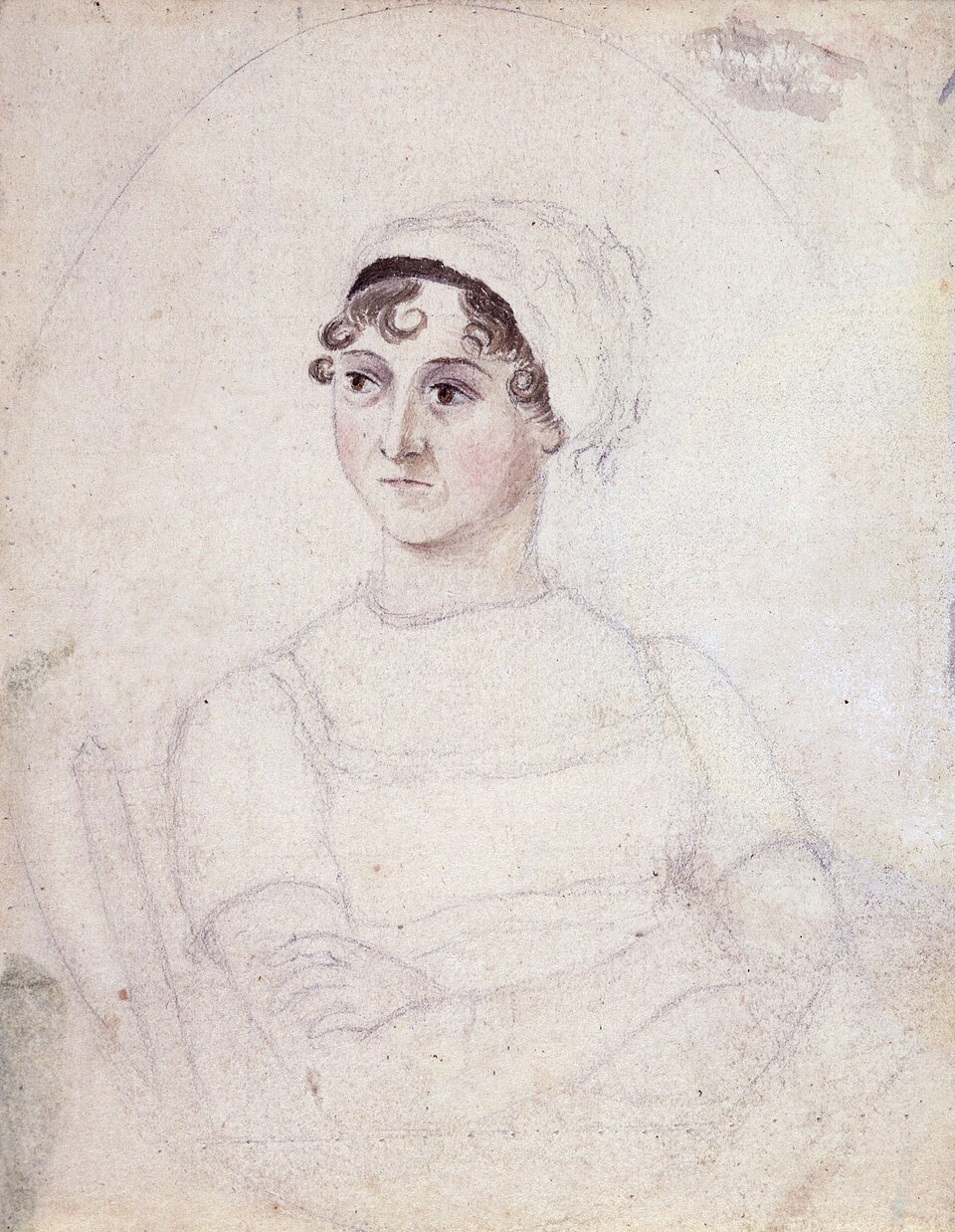
James Joyce
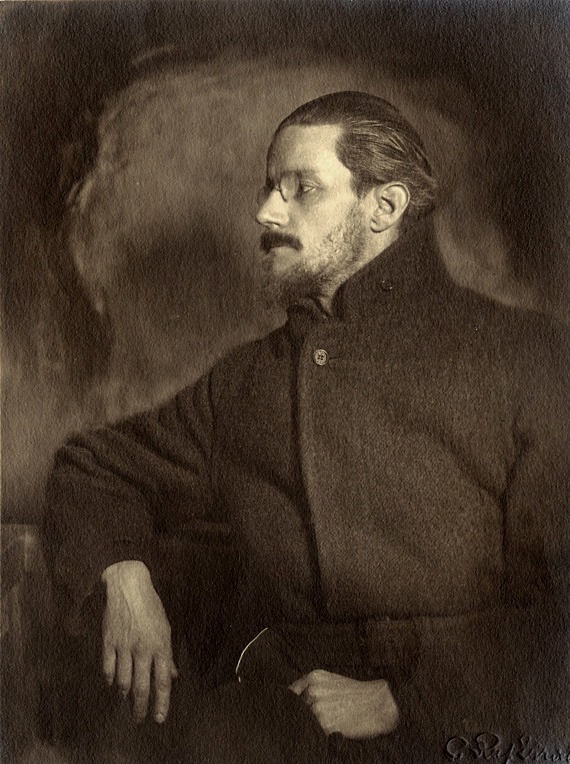
The Irish novelist who shattered conventional prose and rebuilt it as a labyrinth of consciousness, myth, and linguistic play.
James Joyce is the fulcrum around which twentieth-century fiction turns. With Ulysses he compressed all of human experience into a single Dublin day, and with Finnegans Wake he dissolved language itself into dreaming polyphony — acts of ambition so total that they permanently expanded what the novel was thought capable of.
Formation and exile
Joyce was born in Rathgar, Dublin, into a Catholic middle-class family that gradually slid into genteel poverty. He was educated by Jesuits — first at Clongowes Wood, then Belvedere, finally University College Dublin — absorbing their rigour while rejecting their faith. At twenty-two he left Ireland for the continent with Nora Barnacle, the Galway woman who would become his lifelong companion and eventual wife. He lived thereafter in Trieste, Zurich, and Paris, supported intermittently by patrons and by his work as a language teacher, returning to Ireland only briefly. The exile was both biographical and artistic: distance enabled the microscopic attention to Dublin that saturates every page he wrote.
The prose of consciousness
Joyce's first major prose work, Dubliners (1914), was fifteen stories he had begun in his early twenties. Their method — scrupulously observed, brutally withheld, ending in what he called an epiphany — had no precedent in Irish fiction. A Portrait of the Artist as a Young Man (1916) refined the technique further, tracking Stephen Dedalus from earliest childhood through adolescence in a prose style that shifts register to match the protagonist's age and perception.
Ulysses (1922), serialised in the American journal The Little Review before being suppressed for obscenity, mapped the wanderings of Leopold Bloom across Dublin on 16 June 1904. Each of its eighteen episodes deploys a different literary style — catechism, dramatic script, hallucination, newspaper headline — while shadowing the structure of Homer's Odyssey. The stream-of-consciousness interior monologue it popularised became the dominant technique of the century.
The artist, like the God of creation, remains within or behind or beyond or above his handiwork, invisible, refined out of existence, indifferent, paring his fingernails.
Method and difficulty
Joyce's method was accumulative and allusive. He embedded multiple languages — Latin, French, Italian, German, Irish — into English prose, and layered symbol upon symbol without pointing to them. He kept a notebook of overheard phrases, street signs, and Dublin street directories; Ulysses is, among other things, a faithful map of a city that no longer exists. Finnegans Wake (1939), seventeen years in the making, went further still: its language is a continual portmanteau, every word carrying several etymologies and several meanings simultaneously. Critics in his own time found it unreadable; scholars since have spent careers unpacking its interior logic.
Legacy
Joyce's influence on prose fiction is systemic rather than stylistic. He demonstrated that the novel could contain everything — history, philosophy, music, humour, pornography, grief — without becoming incoherent. Writers as unlike as Samuel Beckett, Ralph Ellison, and Salman Rushdie have acknowledged the debt. The date of the Ulysses action, 16 June 1904, is celebrated annually as Bloomsday in Dublin and in cities worldwide, a measure of how thoroughly a novel can colonise cultural time.