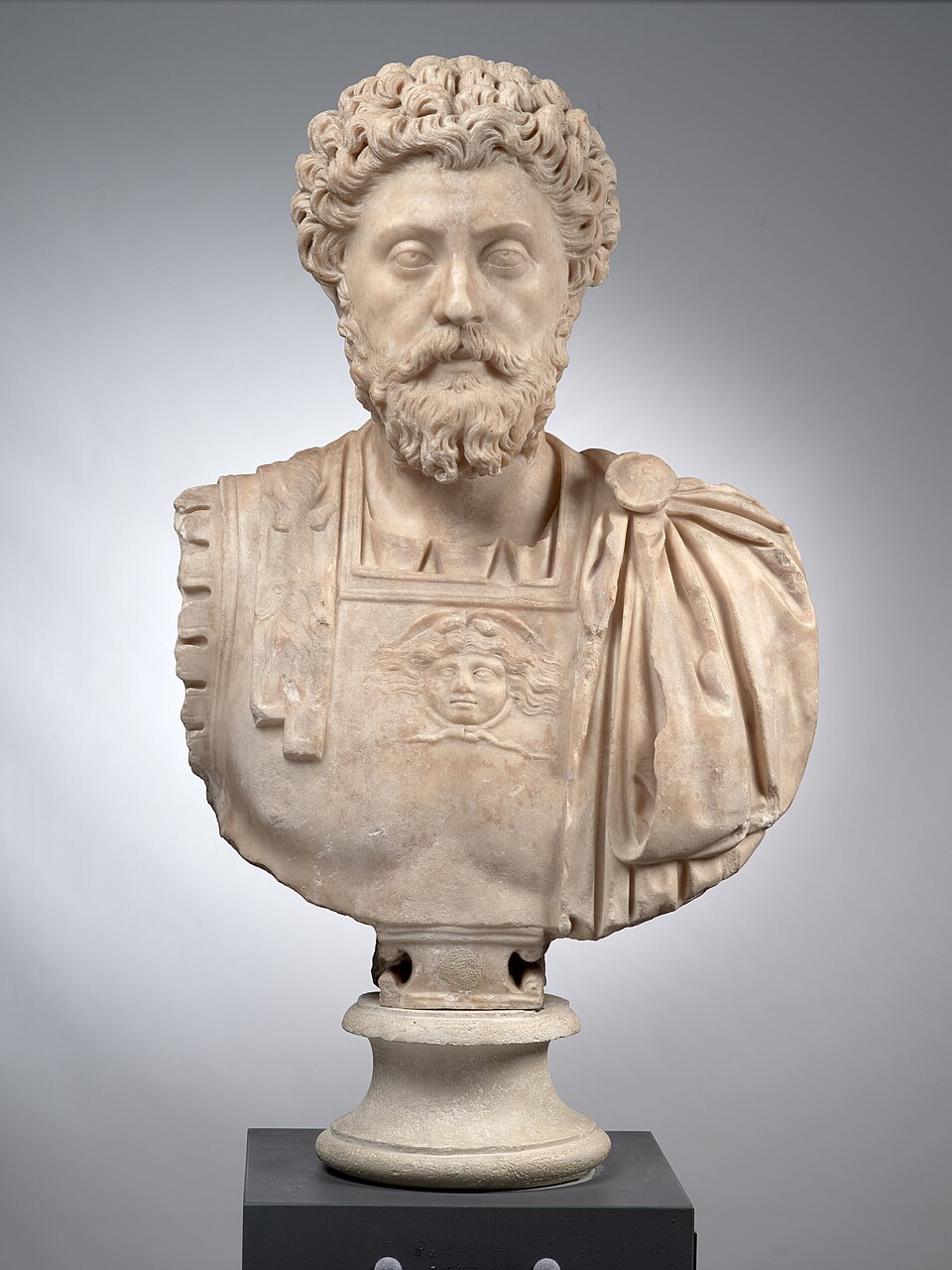
Jean-Jacques Rousseau
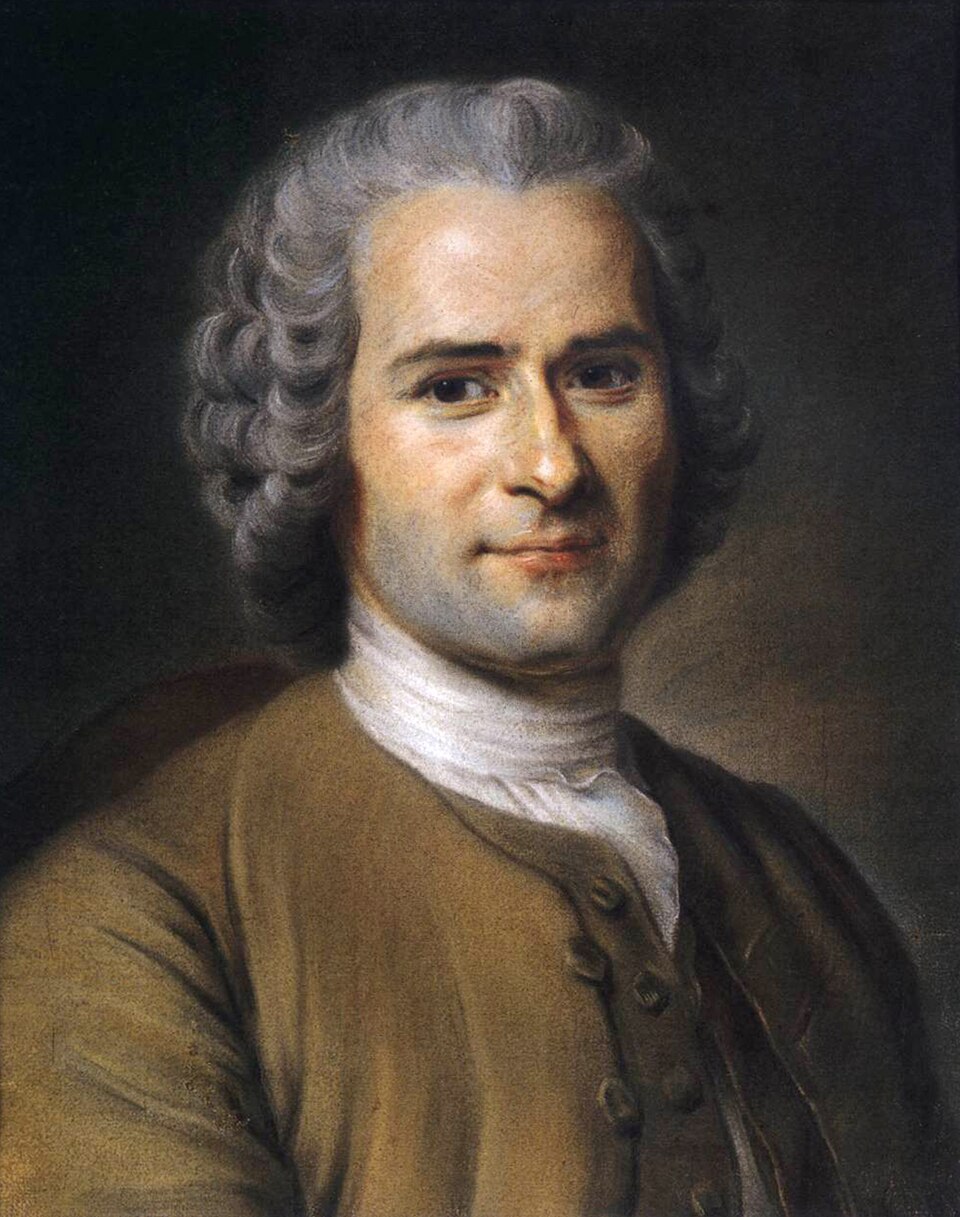
The Genevan outsider who gave the Enlightenment its most unsettling question — whether civilisation itself was the source of human misery — and whose political philosophy lit the fuse of the French Revolution.
Jean-Jacques Rousseau stood apart from the other philosophes not merely in temperament but in conclusions. Where most Enlightenment thinkers trusted reason and progress to improve human life, Rousseau argued that the arts and sciences had corrupted morality, that property had destroyed equality, and that the social arrangements humans called civilisation were the primary sources of their unhappiness. The argument was explosive, and its reverberations reached from Geneva to the Place de la Révolution.
A self-made education
Rousseau was born in Geneva on 28 June 1712. His mother died days after his birth, and his father — a watchmaker — abandoned him at ten, leaving him to the care of relatives. He received no formal schooling and educated himself by reading voraciously. After a wandering early adulthood that took him to Turin, Savoy, and eventually Paris, he arrived in the French capital in 1742 hoping to make a name as a composer and musical theorist. He did make a name, but not through music.
His break came in 1749, when, walking to Vincennes to visit the imprisoned Diderot, he read the announcement of an essay prize from the Académie de Dijon: Has the restoration of the sciences and arts contributed to the purification of morals? His response — that it emphatically had not — won the prize and made him famous overnight.
The critique of civilisation
The Discourse on the Sciences and Arts (1750) argued that progress in learning and luxury had displaced virtue. His Discourse on the Origin of Inequality (1755) went further, tracing the root of human misery to the institution of private property. In a state of nature, Rousseau contended, human beings were peaceful, self-sufficient, and free — not the brutish competitors of Hobbes's imagination but what later readers would call noble savages, though the concept is subtler than the phrase suggests.1 It was the emergence of property, comparison, and dependence that introduced vanity, competition, and inequality.
The argument was not a call to return to the forest. It was a diagnosis, and the prescription came in his political philosophy.
The Social Contract and the general will
Du Contrat Social (1762) opens with the most famous sentence in the history of political thought: "Man is born free, and everywhere he is in chains." The sentence states a problem, not a nostalgic ideal. Rousseau's task in the book is to explain how political authority can be legitimate — how the chains can be made compatible with freedom.
His answer is the general will: the sovereign authority of a political community conceived not as the sum of individual preferences but as the collective interest of citizens acting as a whole. When people participate in genuine self-legislation — giving themselves the law they obey — they remain free in the only sense that matters. The general will cannot err on behalf of the community, though it can be corrupted or obscured by factions and partial interests.
The concept proved enormously fertile and enormously dangerous. Robespierre invoked the general will during the Terror to justify the suppression of dissent in the name of the people's true interest — a use Rousseau could hardly have endorsed but that his language left open.
Émile and a new vision of childhood
Published in the same year as The Social Contract, Émile, ou De l'éducation (1762) proposed that children are not small adults to be stuffed with information but naturally good beings whose development should be guided rather than forced. The tutor in the book lets the child learn from experience and encounter ideas only when he is ready for them. The book was burned in Paris and Geneva, and Rousseau was forced to flee France. Its influence on educational practice — through Pestalozzi, Froebel, and ultimately progressive education in the twentieth century — was immense.
Man is born free, and everywhere he is in chains.
Footnotes
- Rousseau did not use the phrase "noble savage" in his texts. The concept was attributed to him and simplified by later critics; his actual argument concerns a pre-social state of independence and self-sufficiency rather than nobility in any moral sense. ↩