Jean-Pierre Melville
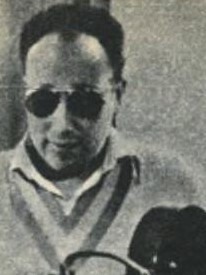
The outsider who made French crime cinema with American bones — lean, fatalistic, and shot through with a private mythology of honour.
Jean-Pierre Melville made crime films that were not really about crime. They were about solitude, ritual, and the code by which certain men organise their lives — a code the world never asked for and will not honour. Working outside the French studio system decades before the New Wave existed, he built one of the most distinctive bodies of work in postwar cinema.
The Resistance and the name
Born Jean-Pierre Grumbach in 1917, he took the pen name Melville — from his admiration for Herman Melville — during the Second World War, when he served in the French Resistance and the Free French Forces. The experience of clandestinity, loyalty, and betrayal left permanent marks on his subject matter.
Unable to gain entry into the French film industry, he founded his own production company and shot his first feature, Le Silence de la mer (1949), as an independent. It was adapted from a Resistance novel by Vercors and released to critical respect — demonstrating that French cinema could work outside the established studio structure.
The crime films
Melville found his natural territory in the crime genre, which he filtered through a love of American film noir and a Japanese sense of ceremonial stillness. Bob le flambeur (1956) established the signature: a heist story in which the mechanics of crime matter less than the atmosphere surrounding them — Paris at dawn, the racetrack, the casino, the code of the milieu.
Le Doulos (1962) introduced the moral ambiguity that would deepen across his career: characters whose allegiances are hidden until the final reel, where loyalty and betrayal reveal themselves as indistinguishable. Le Samouraï (1967), starring Alain Delon as a hitman who lives inside a ritual of total professional isolation, is the crystallisation: silence, grey light, a solitary coat, and a bird that witnesses everything. The film influenced crime cinema from Hong Kong to Hollywood.
Army of Shadows (1969), returning to the Resistance, applied the same formal coldness to historical material — the Occupation as a world of compromised choices with no exit.
Method and atmosphere
Melville worked with a small, trusted crew and a restricted palette — blues, greys, blacks. He shot Paris at its emptiest hours. His films are slow by genre standards but never inert: the stillness is charged with what characters are not saying. He borrowed from American noir the trenchcoat, the hat, the city at night; he gave them back as something more Buddhist than cynical, more ceremonial than violent.
I make films about men who have chosen a profession that isolates them from ordinary life, and who accept that isolation as the price of what they do.