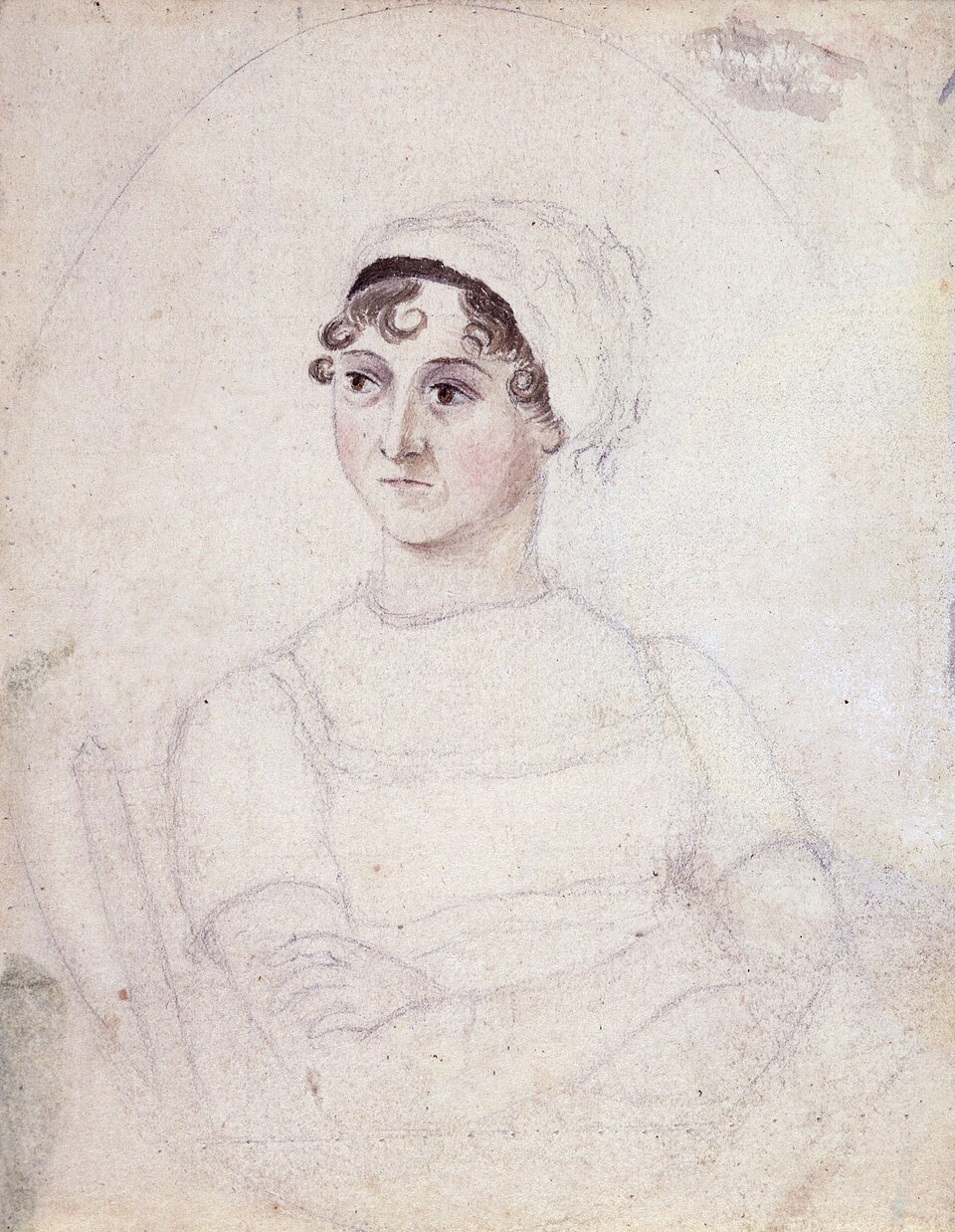
Joseph Conrad
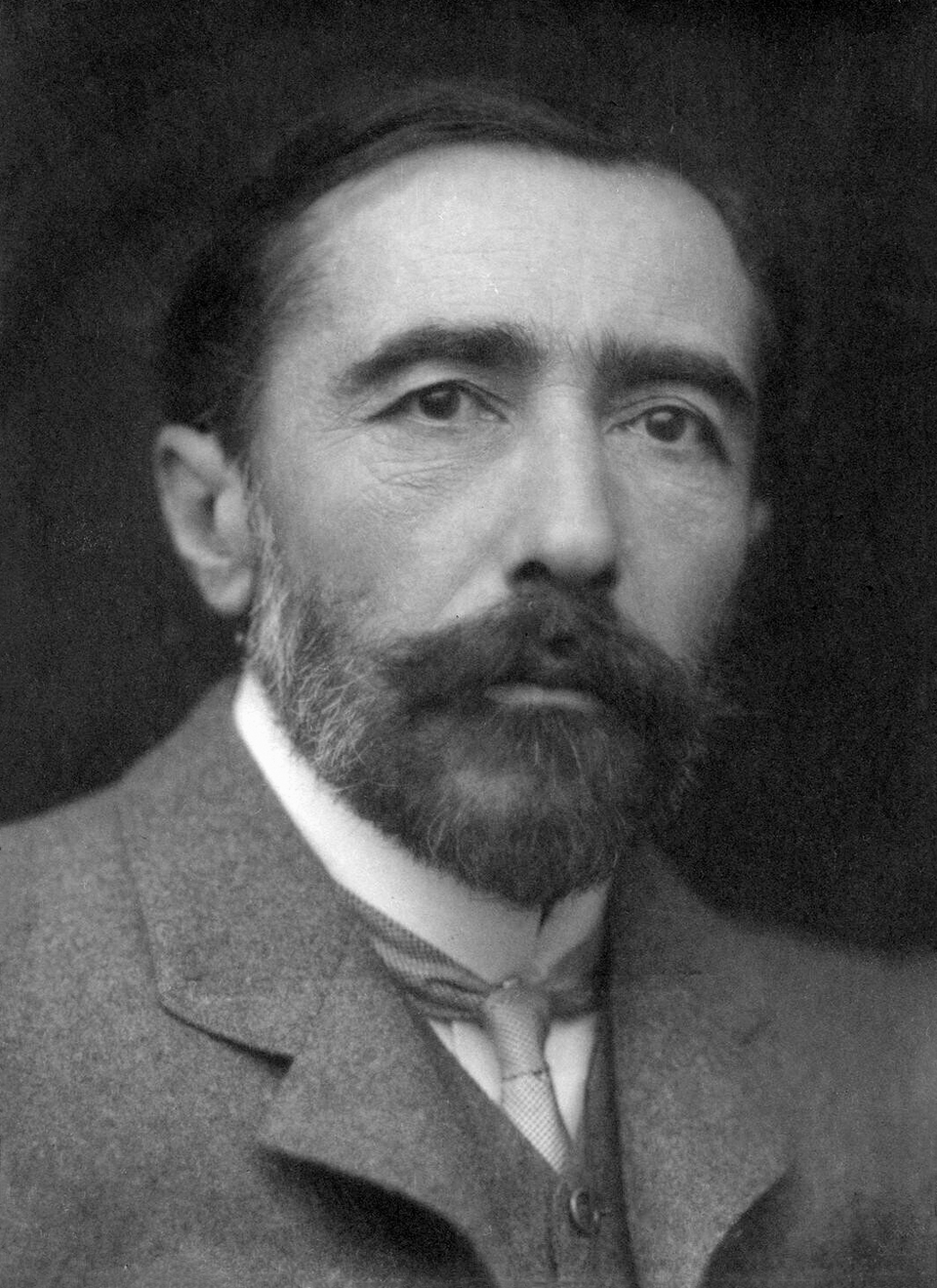
A Polish sailor who mastered English as a third language and used it to write some of the most morally searching fiction in the canon.
Joseph Conrad was born in the Polish Ukraine, orphaned young, spent twenty years as a merchant sailor across three oceans, and then — in his mid-thirties, in his third language — wrote a body of fiction that has never been satisfactorily classified. It is not adventure writing, though it contains adventure. It is not colonial critique, though it dismantles colonial mythology. It is, above all, an inquiry into what men do when nobody is watching — and what they tell themselves afterward.
Origins and years at sea
Conrad was born Józef Teodor Konrad Korzeniowski on 3 December 1857 in Berdychiv (then part of the Russian Empire), to a Polish literary family. His father Apollo was a poet and nationalist who was arrested and exiled to northern Russia; Conrad's mother died of tuberculosis contracted during the exile, and his father followed her four years later. Conrad was eleven years old. Raised by his maternal uncle Tadeusz Bobrowski in Kraków, he developed a fascination with the sea and at sixteen obtained permission to leave for Marseille to begin a maritime career.
He sailed first for a French shipping company, then transferred to the British Merchant Navy in 1878. He served on cargo vessels to Asia, the Far East, Africa, and Australia, rising to the rank of master mariner in 1886 — the same year he became a British subject. He did not begin writing seriously until the late 1880s.
The fiction
Conrad's first novel, Almayer's Folly, was published in 1895 after eleven years in progress. It drew on his own experiences in Borneo. The novels that followed — The Nigger of the "Narcissus" (1897), Lord Jim (1900), Nostromo (1904), The Secret Agent (1907), and Under Western Eyes (1911) — established him as a figure of the first importance in English letters.
Heart of Darkness (1899, serialised; 1902, book) remains his most discussed work. Narrated by Charles Marlow, it follows an ivory trader's journey up the Congo River to retrieve the brilliant and corrupted Kurtz. Its examination of colonial self-deception and the fragility of civilised identity made it a standard text of twentieth-century literary criticism.
Lord Jim, perhaps his most psychologically intricate novel, follows a young officer's act of cowardice at sea and his lifelong attempt to redeem it — a study of honour, guilt, and self-narration.
Method and style
Conrad wrote in English despite having spoken Polish and French before it. He described the language as arriving to him, not being chosen. His prose is dense with subordinate clauses and layered points of view — narrators who tell stories that other narrators have told them, creating distance between events and their understanding. Critics have noted that this technique mimics the nature of knowledge itself: partial, mediated, unreliable.
My task, which I am trying to achieve, is, by the power of the written word, to make you hear, to make you feel — it is, above all, to make you see.
Legacy
Conrad is regarded as one of the greatest prose stylists in the English language and a pivotal figure in literary modernism. T. S. Eliot, F. Scott Fitzgerald, and William Faulkner acknowledged his influence. Heart of Darkness generated an entire discourse in postcolonial theory, including Chinua Achebe's 1975 challenge to its representation of Africa — a debate that continues.