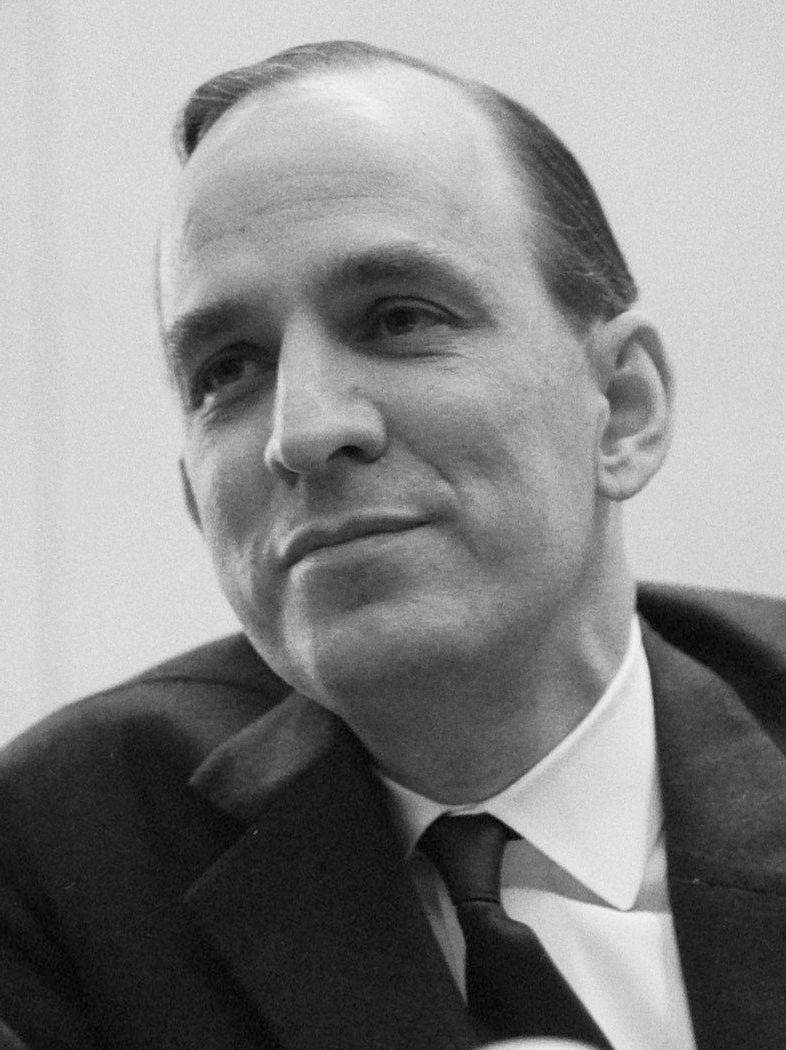
Krzysztof Kieślowski
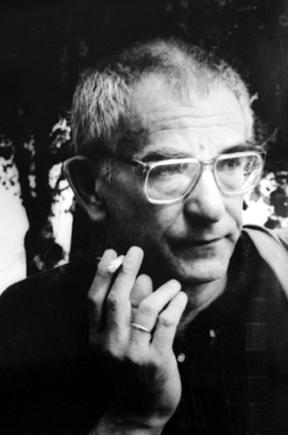
The Polish director who turned the moral ambiguities of daily life under late communism into a body of cinematic work of unusual rigour and metaphysical weight.
Krzysztof Kieślowski made films about people trying to act decently in circumstances that resist decent action — trapped between duty and desire, between law and conscience, between the daily fact of life in communist Poland and the more durable questions of what one person owes another. His late work brought these preoccupations into an international register without softening them.
Documentary origins
Kieślowski was born in Warsaw in 1941 and grew up moving between cities as his father's tuberculosis required treatment at successive sanatoriums. He studied at the Łódź Film School and began his career making documentaries for Polish television in the late 1960s and 1970s. Films like Bricklayer (1973) and I Was a Soldier (1970) observed working-class Poles with a directness that official Polish cinema rarely allowed. Camera Buff (1979), his breakthrough fiction feature, extended the documentary impulse into a story about a factory worker who becomes obsessed with filming, satirising the relationship between the state and the image-maker.
Dekalog
The Dekalog (1988), a ten-part television series produced for Polish television with Kieślowski's regular screenwriting collaborator Krzysztof Piesiewicz, is the central achievement of his career. Each episode takes one of the Ten Commandments as its loose moral frame — not as allegory but as pressure — and explores how its injunction plays out in the lives of inhabitants of a Warsaw housing estate. The episodes avoid resolution; they end where moral life actually ends, in ambiguity and consequence. Two episodes, A Short Film About Killing and A Short Film About Love, were expanded into features for theatrical release. Kieślowski's camera, handled by multiple cinematographers including the late Slawomir Idziak and Piotr Sobocinski, moved close to faces, looking for what expressions couldn't contain.
I am not interested in politics. I am interested in people.
Three Colours and late work
After The Double Life of Véronique (1991) — a French-Polish co-production exploring the lives of two identical women who never meet — Kieślowski moved to France for the Three Colours trilogy: Blue (1993), White (1994), and Red (1994), nominally structured around the values of the French tricolor (liberty, equality, fraternity) but more concerned with their failures. Blue, starring Juliette Binoche as a woman withdrawing from the world after losing her husband and child, is perhaps his most formally severe film. Red, shot in Geneva, was received as a valediction — and proved to be one: Kieślowski announced his retirement after Cannes 1994 and died in Warsaw two years later following heart surgery, aged 54.