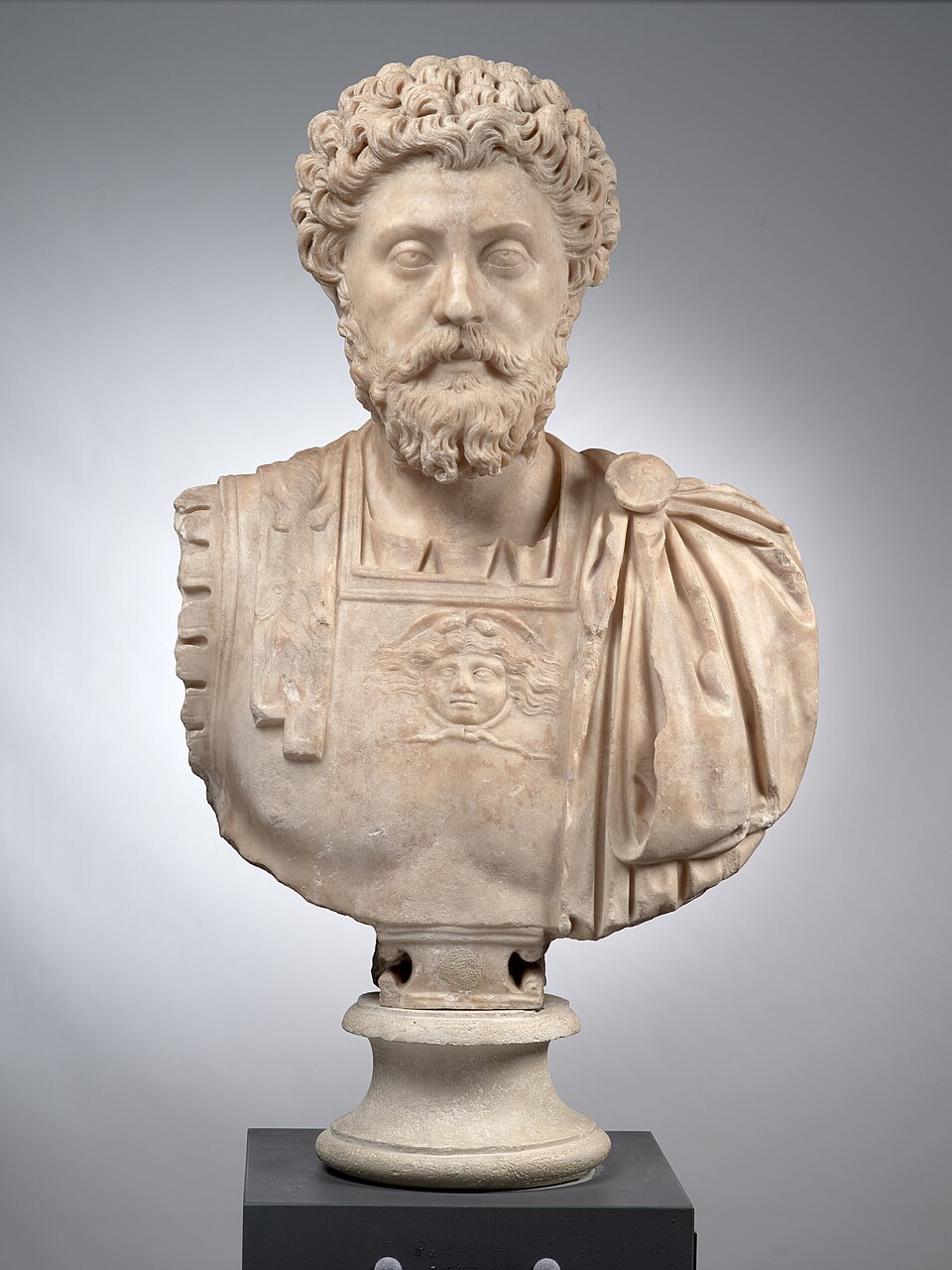
Laozi
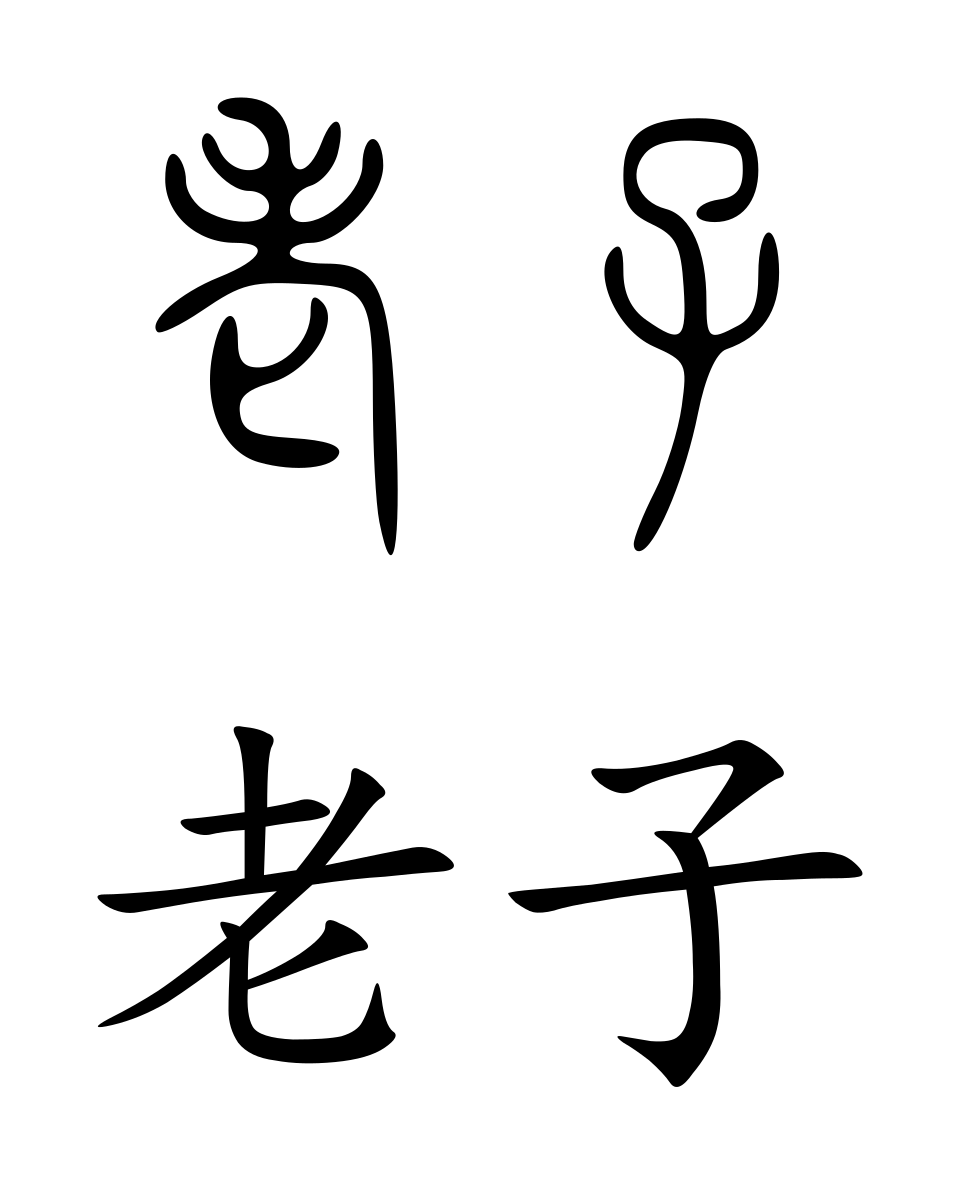
The Old Master: a semi-legendary sage whose eighty-one verses on the Tao became the founding scripture of an entire civilisation's relationship with nature, power, and stillness.
Laozi — the Old Master — is the name attached to one of the most widely read texts in human history. Whether the Tao Te Ching was composed by a single archivist who vanished into the western hills or accreted over generations of anonymous writers, the philosophy it articulates has shaped Chinese thought, governance, poetry, and medicine for more than two and a half millennia.
The question of the person
Almost everything biographical about Laozi is contested. The historian Sima Qian, writing in the second century BC, offered a tentative sketch: a man named Li Er, born in the state of Chu during the Spring and Autumn period, who served as keeper of the royal archives at the Zhou court in Wangcheng. On this account, Confucius visited him and came away humbled, comparing the old archivist to a dragon that rides the wind and clouds beyond mortal reach. At some point Laozi grew disillusioned with Zhou's decline and rode westward through the Hangu Pass, where the gatekeeper Yin Xi persuaded him to leave behind a record of his thought. The result, legend holds, was the Tao Te Ching, composed in a single session, after which Laozi passed beyond the known world.
Modern scholarship treats these details with deep scepticism. The name itself — Lǎozǐ, meaning simply Old Master — suggests a title of veneration rather than a personal name. Textual analysis points to multiple layers of composition, probably spanning the fifth through third centuries BC. What the tradition calls Laozi may be best understood as a collective posture: an archaic, authorless voice set in deliberate contrast to the meticulous attributions of Confucian discourse.
The Tao Te Ching
The text runs to roughly five thousand Chinese characters divided into eighty-one brief chapters. Its subject is the Tao — the Way — an underlying current of reality that cannot be named without already distorting it. The opening line makes this immediately plain: "The Tao that can be told is not the eternal Tao." From this paradox the text builds a sustained meditation on how rulers, sages, and ordinary people might align themselves with natural process rather than imposing force on the world.
The companion concept is te — virtue or power in the sense of inherent efficacy — and the operative practice is wu wei, non-action or effortless action. The Tao Te Ching does not counsel passivity; it argues that water, the most yielding substance, wears away the hardest stone. Strength that does not display itself, leadership that does not dominate, knowledge that does not claim certainty — these are the recurring ideals across the eighty-one chapters.
Influence and reception
The Tao Te Ching became the second most translated book in world history after the Bible. Within China it formed, alongside Confucianism and Buddhism, one of the three great streams of classical thought. The organised religion of Taoism that developed from the second century AD adopted Laozi as its founding deity, producing elaborate mythologies around his person. Philosophers, poets, and strategists returned to the text across every dynasty.
In the twentieth century the text reached global audiences through dozens of independent translations, each reflecting different assumptions about language, spirituality, and governance. Its eighty-one verses have been read as political philosophy, ecological ethics, contemplative practice, and management theory — a range that testifies both to the text's genuine depth and to its systematic refusal of fixed interpretation.
The Tao that can be told is not the eternal Tao.