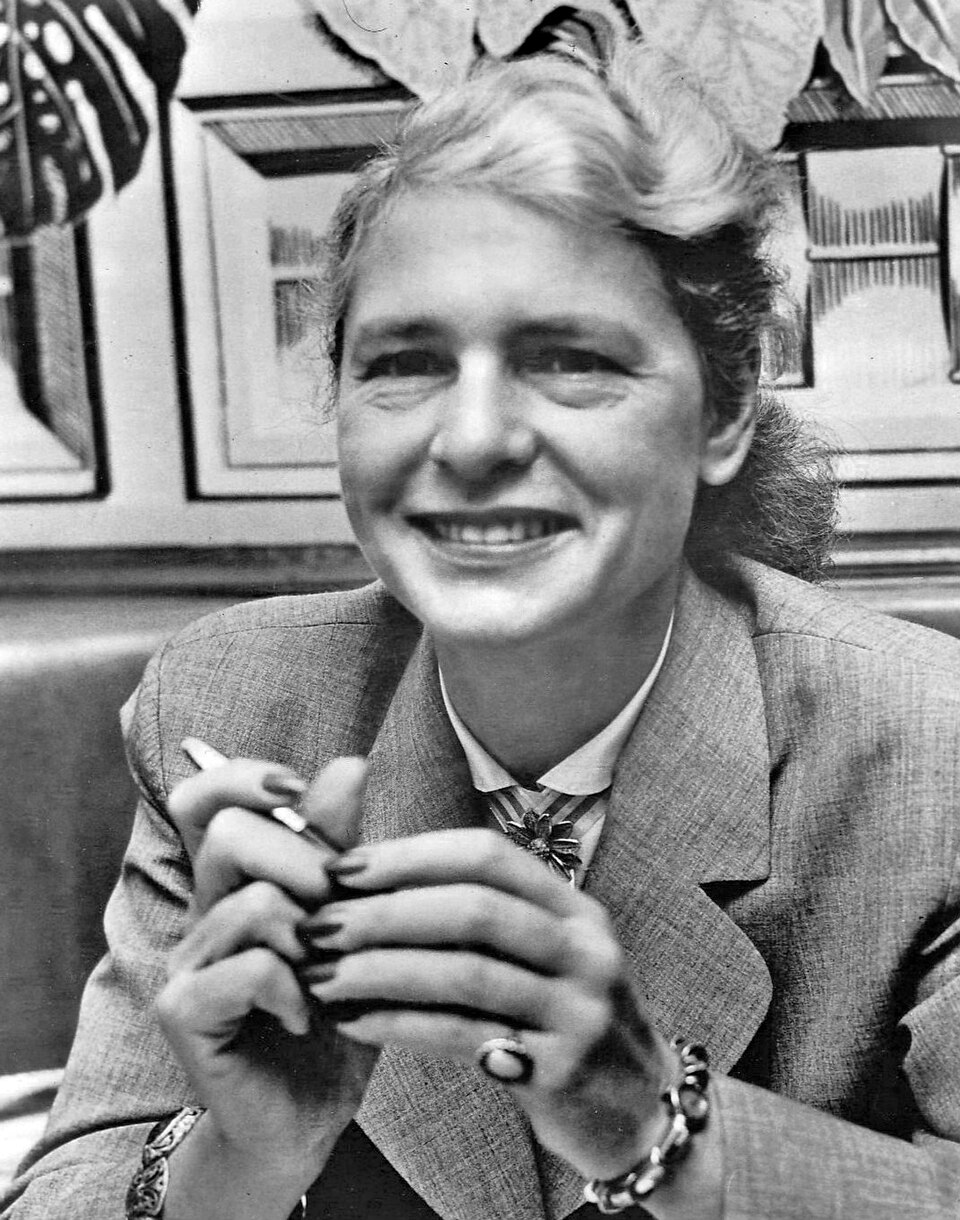
Lee Friedlander
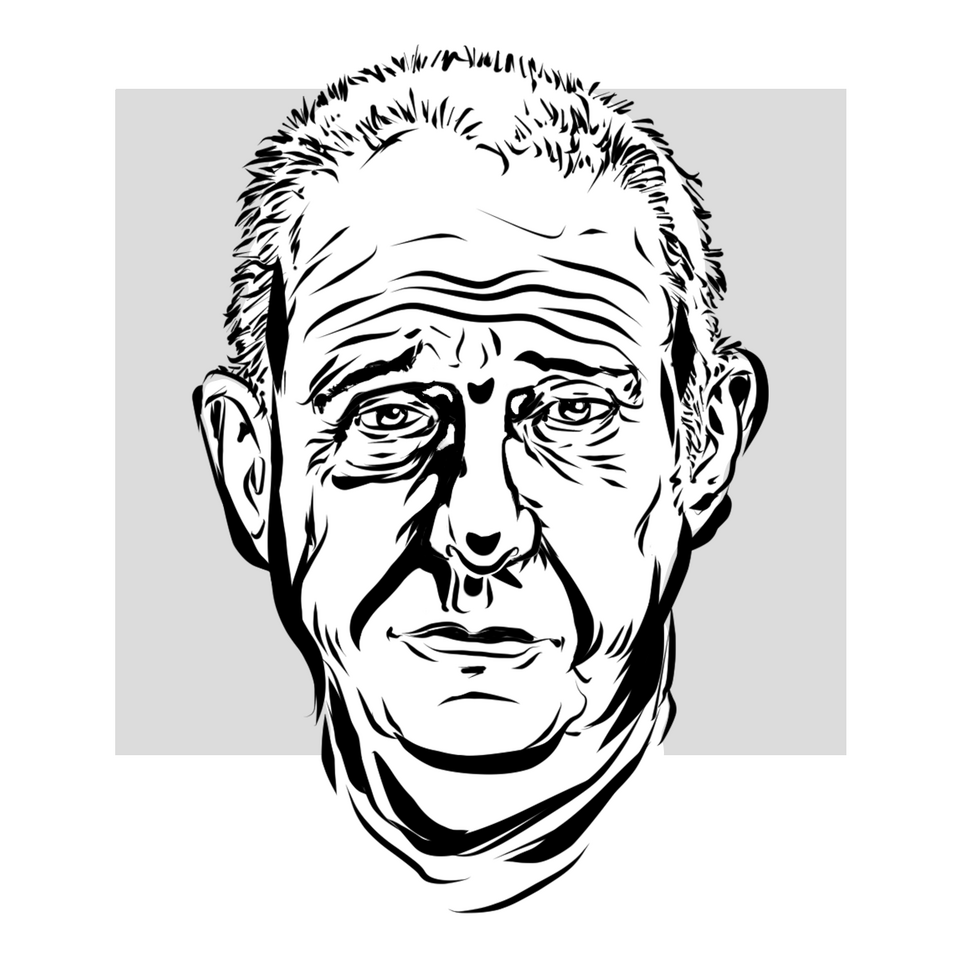
The photographer who found the American social landscape in reflections, fences, and television sets — and kept finding it for six decades.
Lee Friedlander built a visual language from the clutter of American public life — storefronts, highway signs, TV screens, chain-link fences, and stray reflections that most photographers worked around. Over sixty years he made the overlooked texture of the street into a complex, self-aware image of a society looking at itself.
Origins
Friedlander was born in Aberdeen, Washington in 1934. He moved to New York in the early 1950s and began photographing jazz musicians for Atlantic Records album covers — work that put him in clubs alongside Coltrane, Ray Charles, and Miles Davis, and gave him the habit of working in close quarters, in available light, with subjects already in motion.
By the early 1960s he had shifted toward the street, working with a 35mm camera in a style that was neither the decisive-moment formalism of Cartier-Bresson nor the confrontational flash of his contemporaries. Friedlander was interested in what accumulated at the edges of the frame: the shadow of the photographer falling across the foreground, a television set glowing through a motel-room window, signs and wires intersecting with passing faces.
New Documents and the social landscape
In 1967 curator John Szarkowski brought Friedlander into the exhibition New Documents at MoMA, alongside Diane Arbus and Garry Winogrand. The show argued — against the prevailing documentary tradition — that the camera could serve personal vision rather than social mission. Friedlander's photographs of the "social landscape" were dense with information but organised by the photographer's eye rather than any journalistic brief.
His innovation was structural: the use of reflections, frames within frames, and the deliberate inclusion of his own shadow or reflection. These were not accidents but formal choices that made the photograph conscious of its own making. The street was his subject, but the medium was also his subject.
I suspect it is for one's self-interest that one looks at one's surroundings and one's self. This search is personally born and is indeed my reason and result in photography.
Method and range
Friedlander has worked consistently in black and white, with small and medium format cameras. Beyond the street he has photographed American monuments, the working landscape, nudes, factory workers, flowers, and a long series of self-portraits. Each project applies the same method: close attention, complex framing, no idealisation.
He received a MacArthur Fellowship in 1990. A major retrospective at MoMA in 2005 coincided with the Hasselblad Award, bringing fresh critical attention to a body of work that had been continuously produced over decades.