Luis Buñuel
The Aragonese provocateur who fused surrealism with moral fury and made exile the engine of a half-century of cinema.
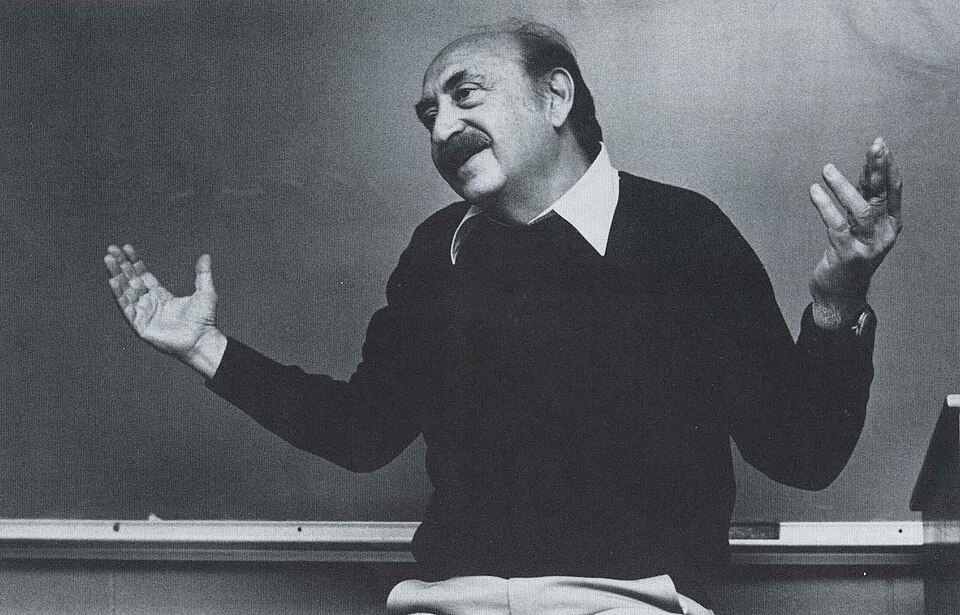
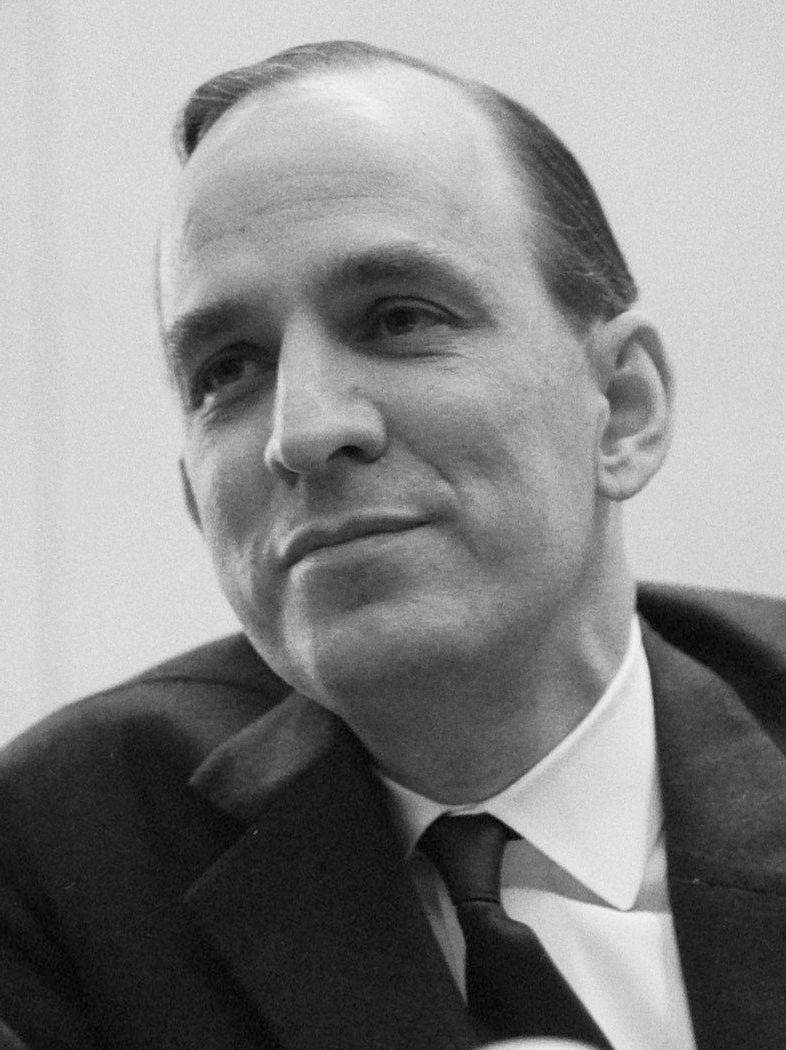
Luis Buñuel Portolés was a Spanish and Mexican filmmaker who worked across France, Mexico, and Spain. Widely regarded by critics, historians, and directors as one of the greatest and most influential filmmakers of all time, he forged a body of work distinguished by avant-garde surrealism fused with relentless political and anti-clerical commentary.
Calanda and Madrid
Buñuel was born in 1900 in Calanda, a small town in Aragon where the local tradition of mass drumming at Easter would stay with him for life. At seventeen he arrived in Madrid to study at the Residencia de Estudiantes, the intellectual hothouse where he formed defining friendships with Salvador Dalí and Federico García Lorca. The Residencia exposed him to the currents of European modernism and gave him the collaborators who would shape his earliest work. He moved to Paris in 1925, entering the orbit of the Surrealist group led by André Breton.
Paris and Surrealism
In Paris Buñuel and Dalí wrote and produced Un Chien Andalou (1929), a seventeen-minute short built from dreamlike non-sequiturs — most notoriously its opening image of a razor slicing an eye — that became a foundational document of Surrealist cinema. Their follow-up, L'Age d'Or (1930), extended the assault on bourgeois order and Catholic piety over seventy minutes; the film was banned in France within a week of its release after riots at the Studio 28 cinema in Paris. The scandal cemented Buñuel's reputation within the Surrealist movement and established the combative posture he would maintain for the rest of his career.
Exile and Mexico
The Spanish Civil War forced Buñuel out of Europe. After wartime work in New York and time in Hollywood, he settled in Mexico in 1946 and became a Mexican citizen. Working quickly and often on modest budgets, he produced a string of films that confounded the category of genre entertainment. Los Olvidados (1950), a brutal depiction of juvenile poverty in Mexico City, won him the Best Director prize at Cannes in 1951 and established his international reputation anew. Nazarín (1959), adapted from Benito Pérez Galdós, continued his interrogation of religious idealism against social reality. The Mexican period — roughly twenty films — demonstrated that exile, far from diminishing him, had expanded his range.
Late Masterpieces
Buñuel's return to Europe produced the concentrated sequence of works for which he is most celebrated. Viridiana (1961), made in Spain under Franco's government, won the Palme d'Or at Cannes; the Spanish authorities, embarrassed by its anticlerical content, immediately banned it. Belle de Jour (1967), shot in France with Catherine Deneuve, won the Golden Lion at Venice and became his greatest commercial success. The Discreet Charm of the Bourgeoisie (1972) won the Academy Award for Best Foreign Language Film and distilled his technique — a precise surface of bourgeois comedy shot through with irrational eruptions — to its purest form. That Obscure Object of Desire (1977), in which he cast two actresses to play the same character without explanation, was his final film. He retired and died in Mexico City in 1983.
Buñuel consistently described surrealism not as a style but as a moral position: a refusal to accept the rational arrangements of a society he found hypocritical, violent, and absurd. Cinema, for him, was the medium best suited to rendering the unconscious — capable of making the impossible appear with the matter-of-fact clarity of a dream remembered in full daylight.
Legacy
Buñuel's influence operates across generations and across otherwise incompatible traditions. Federico Fellini, Ingmar Bergman, and Pedro Almodóvar each acknowledged debts to him. His willingness to violate narrative logic — not as experiment but as argument — gave filmmakers a template for using absurdity as critique. The sliced eye of Un Chien Andalou remains among the most cited images in the history of cinema, and The Discreet Charm of the Bourgeoisie is routinely included in lists of the greatest films ever made. He worked until he was seventy-seven years old.