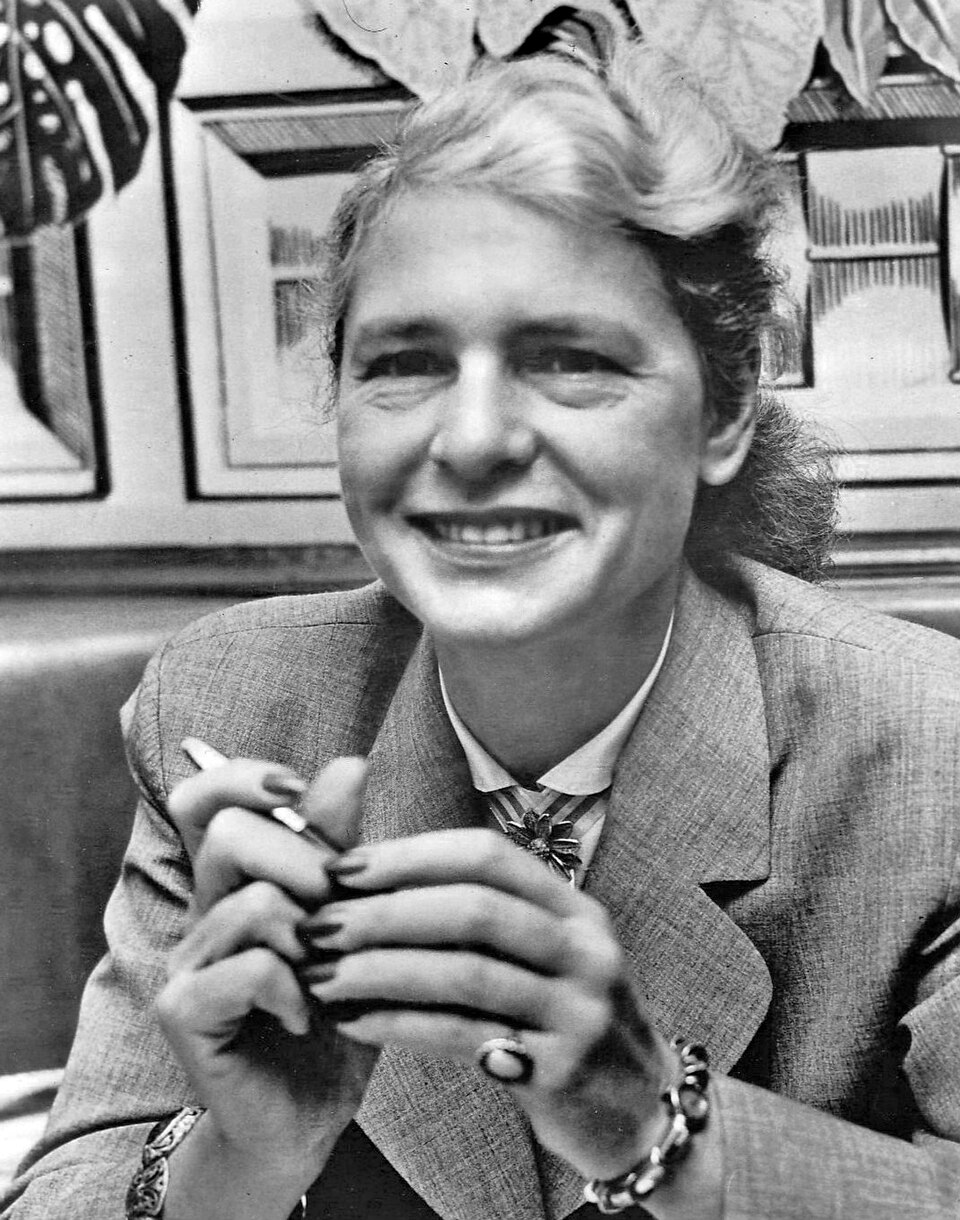
Mary Ellen Mark
A documentary photographer who spent five decades at the margins of American life, making portraits of people the culture preferred not to look at.
Mary Ellen Mark made her career photographing people at the far edges of mainstream society — women in a maximum-security psychiatric ward, sex workers in Bombay, street children, the homeless — with a seriousness of attention that refused both sensationalism and sentimentality.
Formation
Mark was born in Philadelphia in 1940 and studied art history at the University of Pennsylvania before completing an MFA in photojournalism at the Annenberg School for Communication. She began working internationally in the late 1960s, photographing in Turkey, India, and across the United States. From the outset her interest was in people outside the social mainstream — those who, as she later put it, existed "away from mainstream society and toward its more interesting, often troubled fringes."
She brought to this subject the formal training of an art-history student and the ethical commitment of a documentarian: her photographs were composed, not grabbed; her subjects were known to her, not caught.
Ward 81 and Falkland Road
Two long-term projects in the late 1970s and early 1980s defined her reputation. Ward 81 (1979) documented the women's maximum-security ward of Oregon State Hospital, where she lived alongside the patients for thirty-six days. The photographs — and the accompanying text by journalist Karen Folger Jacobs — presented the ward's inhabitants as complex individuals rather than clinical cases. The book appeared alongside the release of One Flew Over the Cuckoo's Nest, which had been filmed in the same hospital.
Falkland Road (1981) documented sex workers in Bombay's Falkland Road district, where Mark spent weeks returning to the same houses and women until trust was established. The colour photographs are intimate in a way that reportage rarely achieves, and the book — published by Knopf — remains a landmark of documentary portraiture.
I want to photograph people who are in the mainstream of society from my point of view — which is usually toward the fringes.
Method and legacy
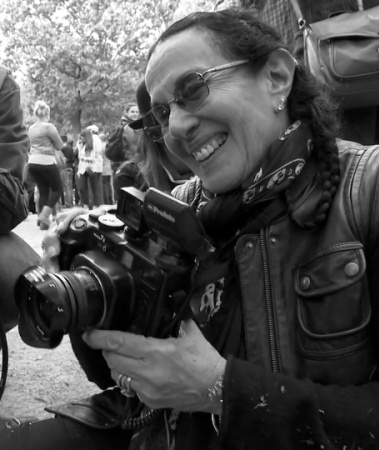
Mark worked consistently in both black and white and colour, with a Rolleiflex and later a Mamiya medium-format camera for her personal work. She was a regular contributor to major magazines — Life, Rolling Stone, The New Yorker — and taught extensively at the International Center of Photography in New York and at workshops worldwide.
She produced more than twenty-five books over her career, covering subjects from circus performers and Indian street life to the homeless of Seattle. Her long collaboration with filmmaker Martin Bell produced Streetwise (1984), a documentary about street children in Seattle that was nominated for an Academy Award.
She died in New York in May 2015. The Mary Ellen Mark Library and Studio continues to manage and license her archive.