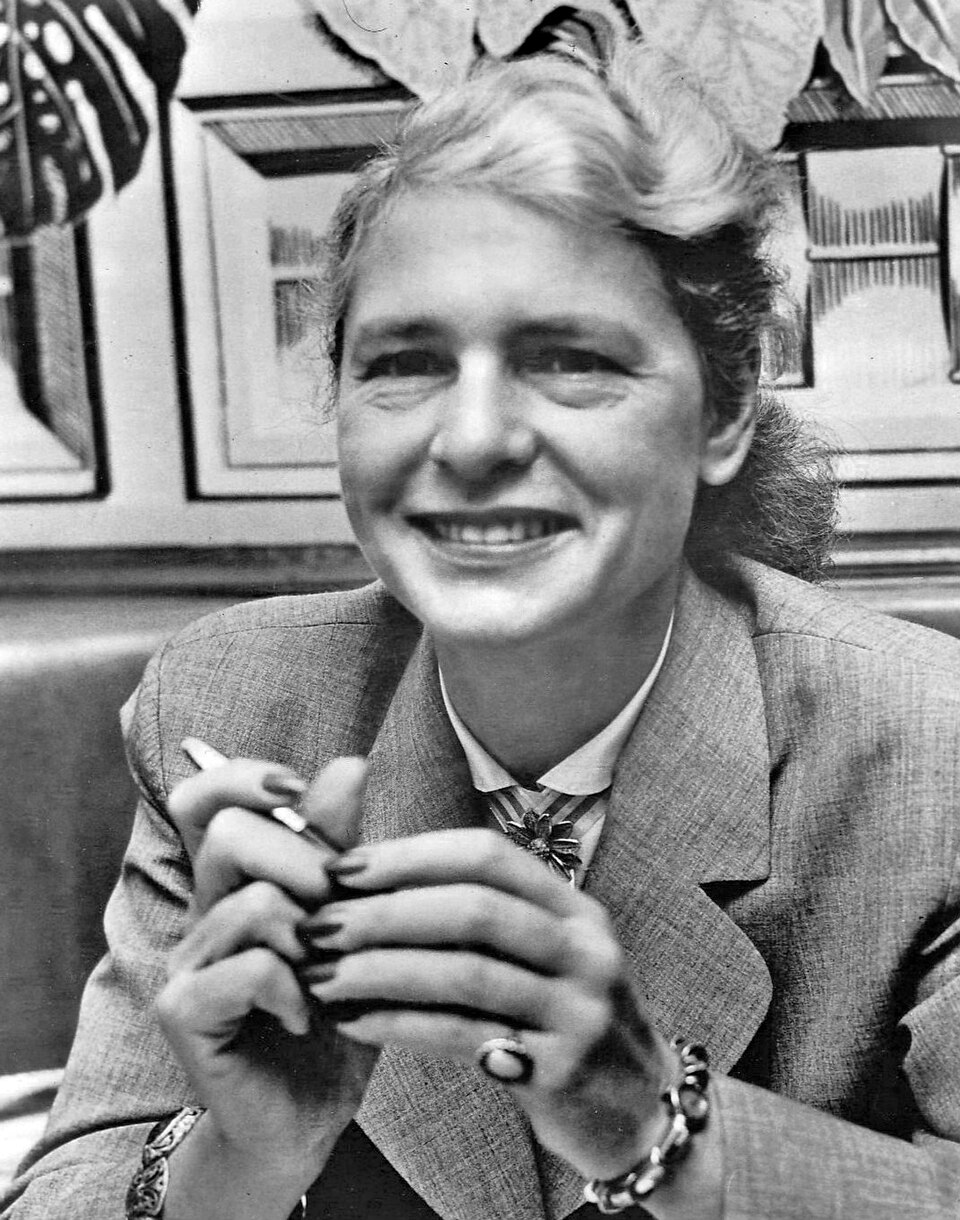
Nan Goldin
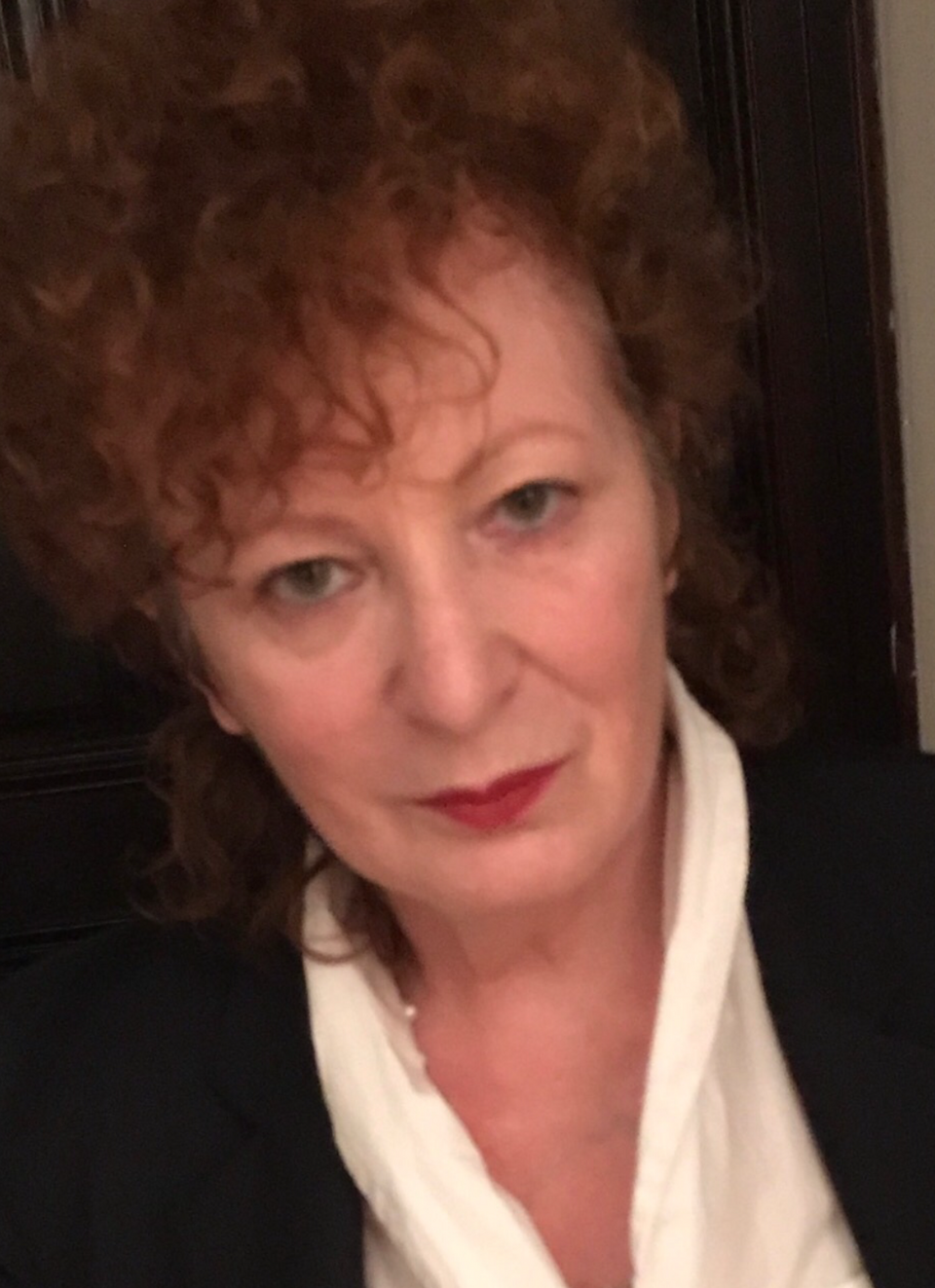
An American photographer who turned the intimate snapshot into an unflinching record of love, loss, and survival inside communities the mainstream looked away from.
Nan Goldin picked up a camera as a teenager and never put it down as an instrument of witness. For five decades she has photographed the people she loves — in beds, in bars, in hospitals — producing a body of work that is simultaneously autobiography, elegy, and political testimony.
Origins and early formation
Goldin was born in Washington, D.C., in 1953. The suicide of her older sister Barbara in 1965 marked her deeply; she later spoke of photography as a means of holding onto people she feared losing. She studied at the School of the Museum of Fine Arts in Boston, and it was there she began making the diaristic colour photographs — shot on 35mm slide film — that would define her practice. Her subjects were the drag queens, sex workers, and bohemian artists she lived among in Boston and, later, New York's Lower East Side. The images were affectionate, direct, and taken from inside the social world they depicted rather than from a journalistic remove.
The Ballad of Sexual Dependency
Her landmark work The Ballad of Sexual Dependency began as a slideshow performed in clubs and venues in the early 1980s, set to a curated soundtrack. Its 700-odd images — of couples mid-argument, of friends asleep, of Goldin herself after a violent relationship — traced the terrain of desire and dependency. The monograph published in 1986 by Aperture condensed the slide show into book form and reached a global audience. It remains one of the defining photobooks of the twentieth century.1
The AIDS crisis and the toll of loss
The 1980s brought the HIV/AIDS epidemic into Goldin's world with devastating force. Friends and subjects began to die. Her 1986 book gave way to work that documented illness, hospital visits, and funerals alongside intimacy and pleasure — insisting that these were continuous rather than separate. Works such as Cookie Mueller series and All By Myself addressed grief without sentimentality. The photographs functioned as testimony: these people existed, they mattered, and the state's indifference had consequences.
| Period | Focus |
|---|---|
| Late 1970s – early 1980s | Boston drag community, NYC Lower East Side |
| Mid 1980s | The Ballad of Sexual Dependency slideshow |
| Late 1980s – 1990s | AIDS crisis; memorial portraiture |
| 2010s – present | Opioid epidemic; institutional activism |
Activism and the Sackler campaign
After her own near-fatal opioid overdose in 2017, Goldin founded P.A.I.N. (Prescription Addiction Intervention Now) to hold the Sackler family — owners of Purdue Pharma, maker of OxyContin — accountable for funding a global opioid crisis. P.A.I.N. staged die-ins at the Guggenheim, the Louvre, the Met, and the Victoria and Albert Museum. Several major institutions subsequently removed the Sackler name from their galleries.
The camera is as much a part of my everyday life as talking or eating or sex.
Footnotes
- Goldin has continued to revise and re-perform the slideshow over the decades; the work is understood as an ongoing, living document rather than a fixed object. ↩