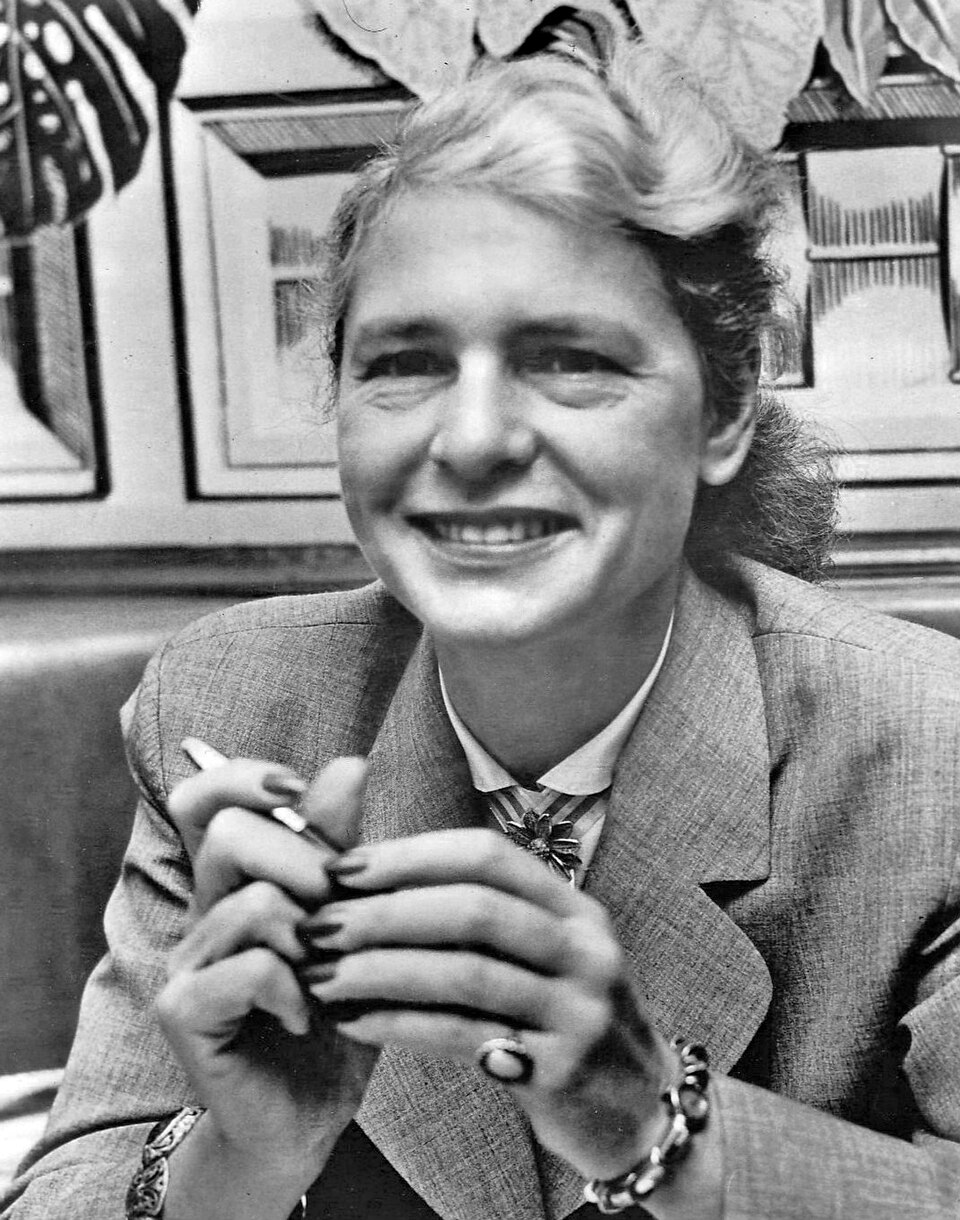
Robert Capa
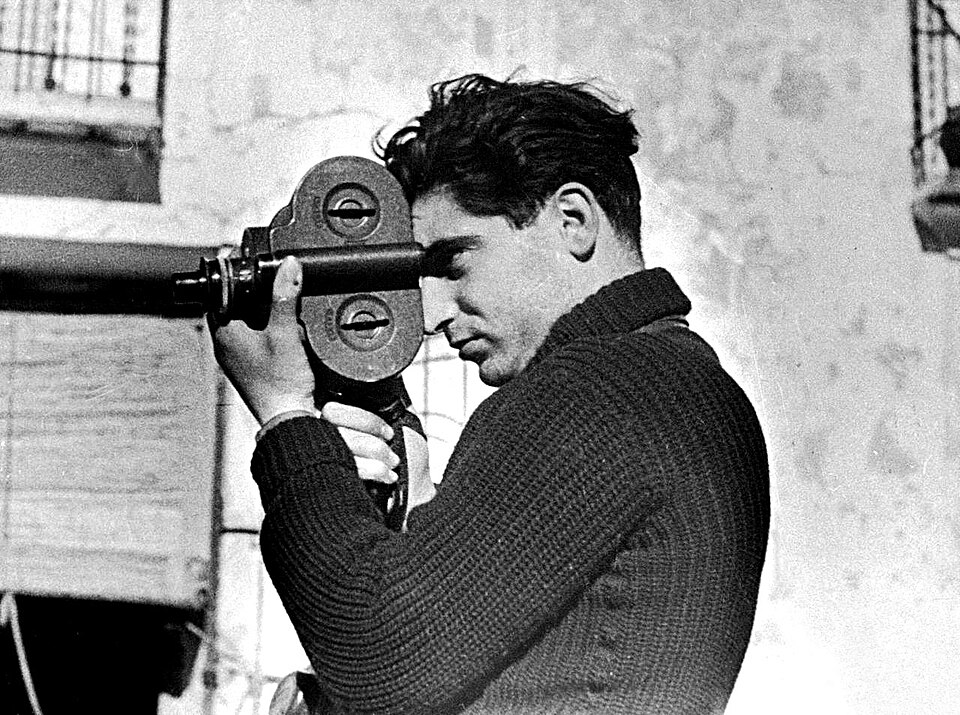
The Hungarian-American war photographer who invented combat photojournalism and whose dictum — if your pictures aren't good enough, you aren't close enough — he followed to his death.
Robert Capa was born Endre Ernő Friedmann in Budapest in 1913, fled Hungary at seventeen, and reinvented himself in Paris under a name he and his partner Gerda Taro invented to make their photographs more sellable. Under that name he covered five wars, produced what was long considered the defining image of combat photography, co-founded Magnum Photos, and was killed in Indochina at forty, stepping on a landmine.
Origins and reinvention
Friedmann fled Hungary in 1931 after being arrested for left-wing activity. He made his way to Berlin, where he studied at the Deutsche Hochschule für Politik, and then to Paris after the Nazis came to power in 1933. In Paris, working with the photographer Gerda Taro — with whom he was romantically and professionally partnered — he invented the persona of "Robert Capa," marketing their photographs as the work of a successful American photographer to command higher rates from agencies. Taro was killed in 1937 at the Battle of Brunete; she was the first female war photographer to die in combat.
Spanish Civil War
Capa covered the Spanish Civil War from 1936 to 1939. The most famous image associated with him, known as The Falling Soldier (1936), purports to show a Republican soldier at the moment of being shot. The photograph became one of the most reproduced war images in history. Its authenticity has been disputed since the 1970s; the debate over whether it was staged or documentary remains unresolved.
His Spanish work, whatever the status of the individual image, established the close-proximity, engaged-participant model of war photography that became the standard for the field.
World War II
Capa covered the North Africa campaign, the Sicily invasion, and the Allied landings at Normandy on 6 June 1944. He landed with the first wave at Omaha Beach and exposed eleven frames before his film was damaged in processing. The surviving images — blurred, contact-smeared, kinetic — are among the most reproduced photographs of the war.
He also covered the liberation of Paris and the fighting in Germany in 1944–45.
Magnum Photos
In 1947, Capa co-founded Magnum Photos in New York with Henri Cartier-Bresson, David Seymour ("Chim"), and George Rodger — the first photographer-owned cooperative agency, which gave photographers ownership of their negatives and editorial control over their work. Magnum remains the dominant model for independent photojournalism.
If your pictures aren't good enough, you aren't close enough.
Death
In 1954, Capa was covering the First Indochina War for Life magazine in Vietnam. On 25 May 1954, accompanying French troops near Thái Bình, he stepped on a landmine and was killed. He was forty years old.