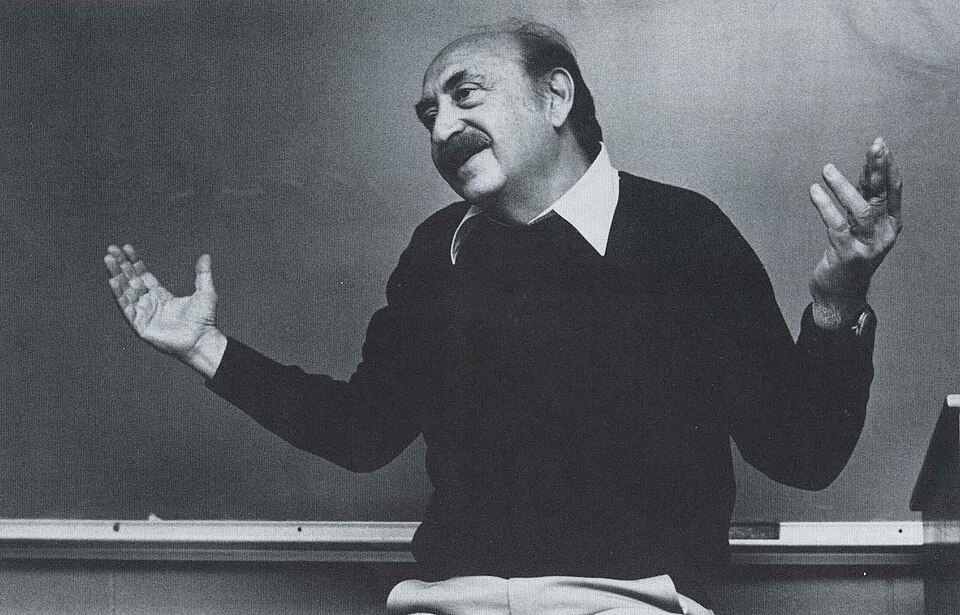
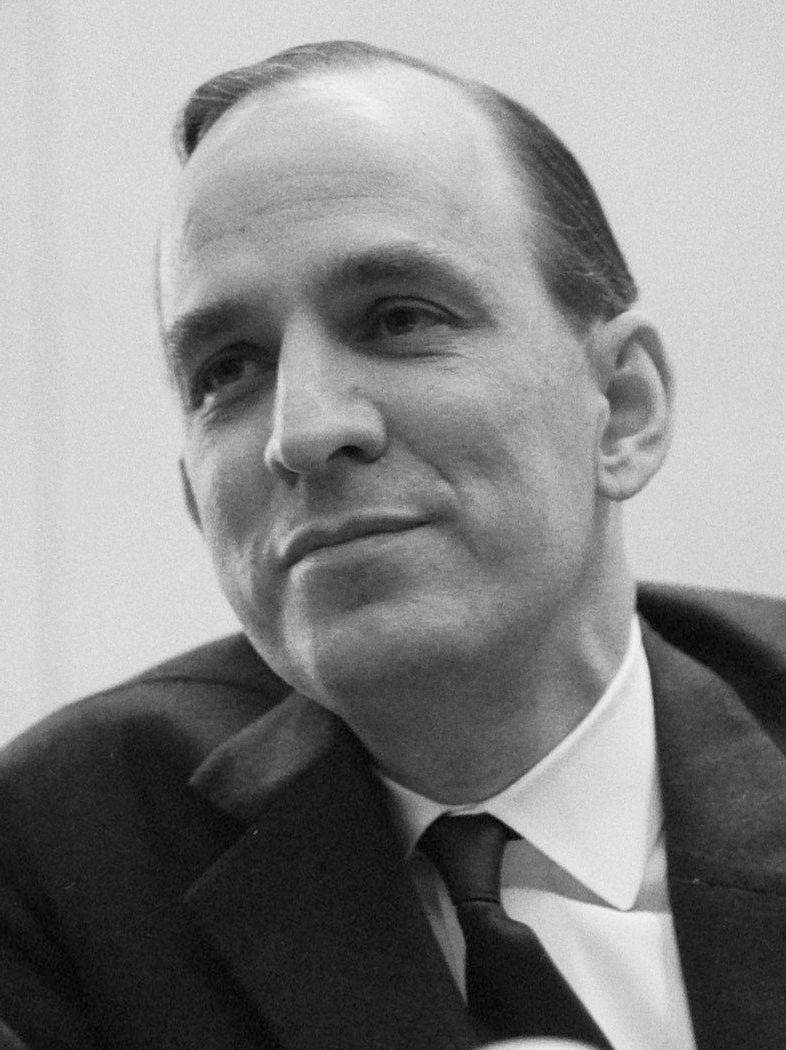
Sergei Parajanov
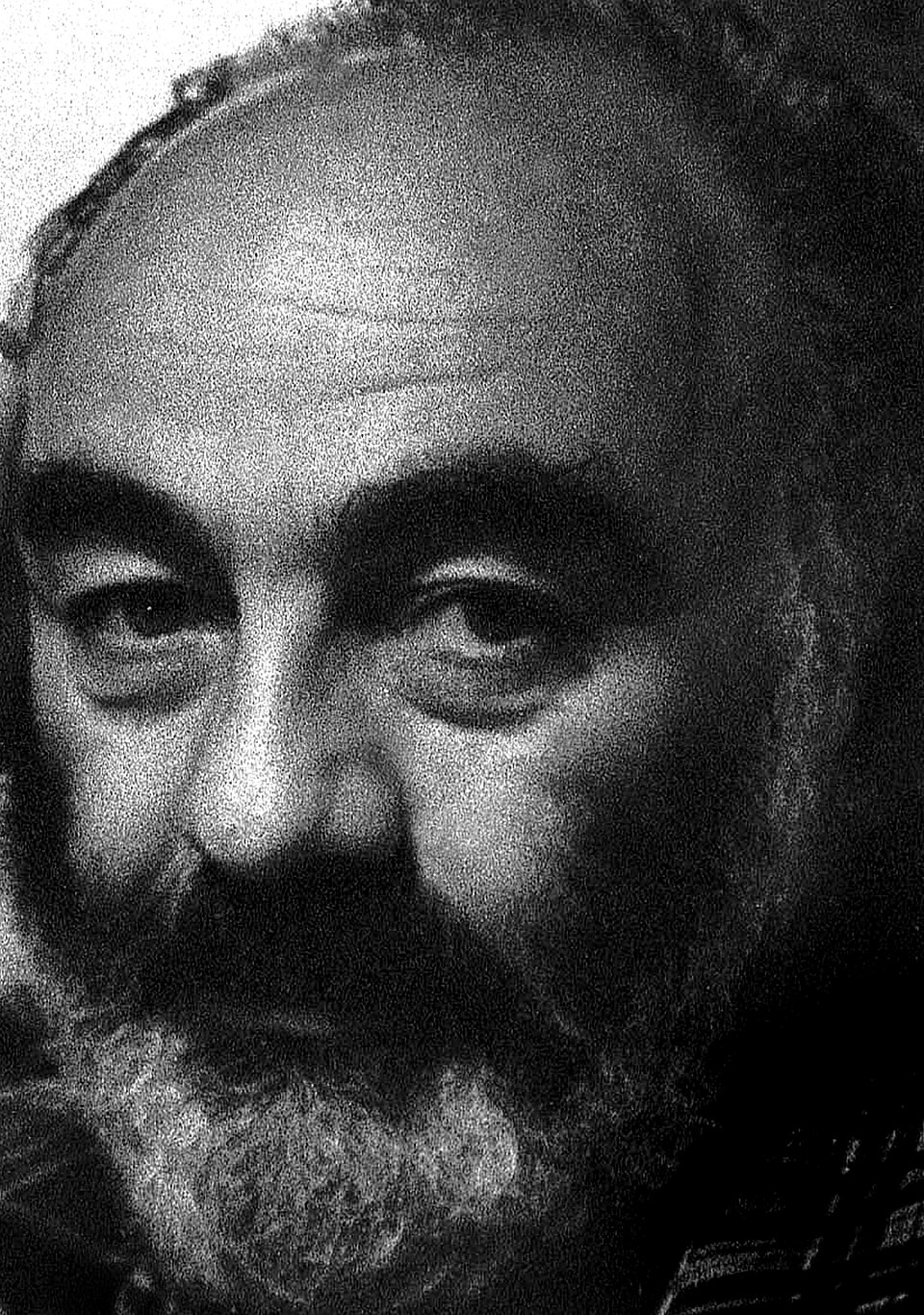
The Soviet visionary who turned cinema into a succession of living tableaux — poetic, symbolic, and unlike anything the medium had produced before.
Sergei Parajanov remade cinema as icon-painting, folk ritual, and collage — dispensing with conventional narrative to build films from arresting images rooted in the visual cultures of the Caucasus and Ukraine. Widely regarded as one of the most singular filmmakers in history, he completed only a handful of features between periods of Soviet imprisonment and prohibition.
Origins in Tbilisi and early career
Parajanov was born in Tbilisi in 1924 into an Armenian family embedded in the Georgian capital's cosmopolitan cultural life. He studied at the Moscow Film School (VGIK) under Igor Savchenko and later under Alexander Dovzhenko, whose poetic approach to Ukrainian material left a lasting mark. His early films were conventional enough to pass Soviet scrutiny; nothing in them announced what was coming.
The decisive break came with his encounter with the folk traditions of the Carpathian Hutsul people, which formed the basis for Shadows of Forgotten Ancestors.
Shadows of Forgotten Ancestors and the poetic turn
Shadows of Forgotten Ancestors (1964, released 1965), shot in the Carpathian mountains with Hutsul non-professional performers, announced Parajanov's mature style with an intensity that shocked Ukrainian and international audiences alike. The film tells a tragic love story through ritual, colour, and oblique imagery — the camera sweeping, tilting, and circling through sequences that feel closer to folk ceremony than storytelling. It won numerous international awards and was immediately understood as a rupture in Soviet cinema.
The Color of Pomegranates (1969), his next major work, went further: abandoning narrative almost entirely in favour of a meditation on the life and poetry of the 18th-century Armenian troubadour Sayat-Nova, rendered as a series of flat, heraldic tableaux. Banned by Soviet censors and re-edited without Parajanov's consent before limited release, it circulated in its authorised form only after his death.
I am not a director. I am a poet who works with images.
Imprisonment and suppression
The Soviet authorities regarded Parajanov's cultural specificity — his insistence on Armenian, Georgian, and Ukrainian material — as politically suspect. He was arrested in 1974 on charges that have never been fully clarified and served nearly four years in labour camps. International protests, including from figures such as Luis Buñuel and Federico Fellini, eventually secured his release. He was subsequently prohibited from filmmaking for years.
He returned to the screen with The Legend of Suram Fortress (1984) and Ashik Kerib (1988), made in Georgia after the period of Glasnost allowed some loosening of restrictions. Both continued his practice of staging folk narratives through stylised visual poetry.
Legacy
Parajanov's influence is felt wherever cinema attempts to be visual poetry rather than illustrated narrative — in the work of directors who prize image over plot and cultural specificity over universal legibility. His prison years and Soviet suppression make the handful of masterworks he completed all the more remarkable. Critics and filmmakers, from Andrei Tarkovsky to Martin Scorsese, have described him as irreducibly original.