Virgil
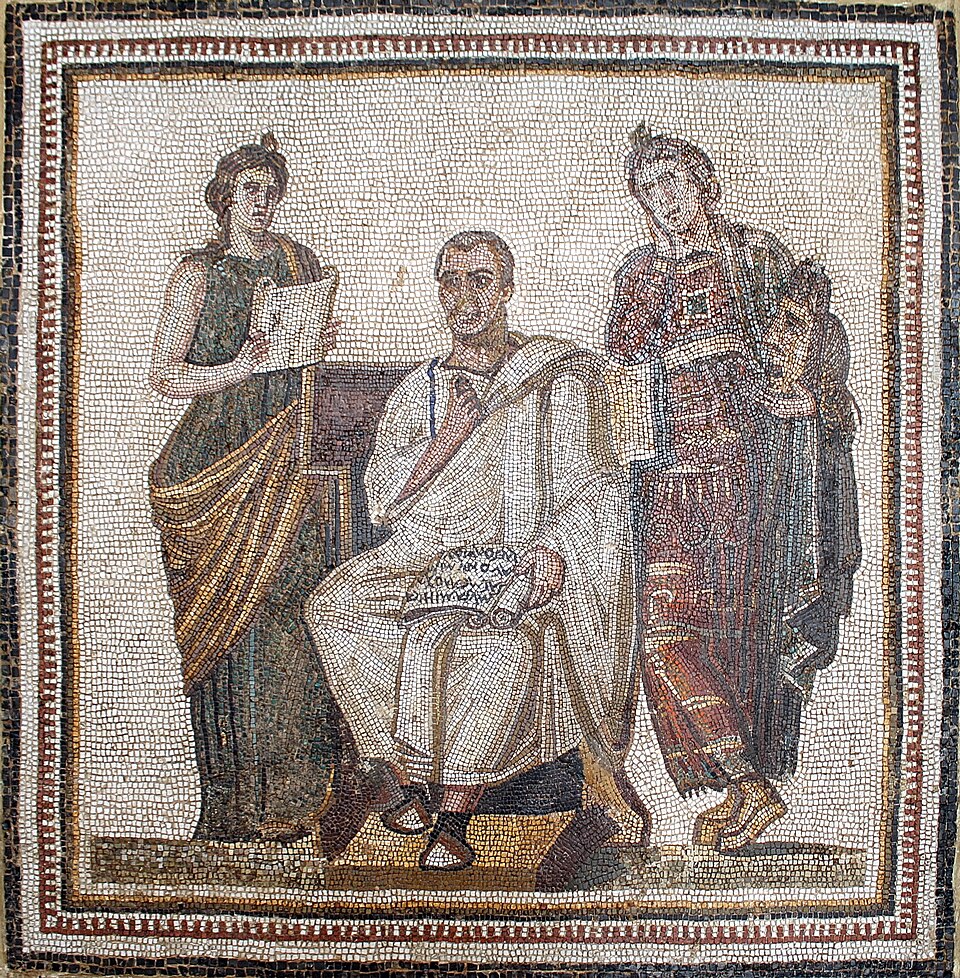
The Augustan poet whose three works — pastoral, didactic, and epic — gave Roman literature its supreme expression and the Middle Ages its most revered classical authority.
Virgil wrote the three texts by which Latin poetry defined its ambitions: the pastoral Eclogues, the agricultural Georgics, and the national epic Aeneid — a poem that traced Rome's destiny from the fall of Troy to the foundation of the city and became, for twelve centuries after his death, the most read, most imitated, and most authoritative literary text in Western Europe.
Life and formation
Publius Vergilius Maro was born on 15 October 70 BC near Mantua, in what is now northern Italy, in a region recently incorporated into Roman civic life. His family owned land; he received an education in Cremona, Mediolanum (Milan), and eventually Rome. Ancient biography suggests he was temperamentally retiring — he wrote slowly, with great care, and spent years on each work.
He came to the attention of Maecenas, the great literary patron of the Augustan period, and through him became connected to the political project of Augustus, whose principate he would serve as Rome's unofficial laureate. The question of how far Virgil personally endorsed the Augustan programme — and how far his poems register ambivalence and sorrow alongside celebration — has occupied critics ever since.
The Eclogues and Georgics
The Eclogues (c. 39–38 BC), ten short pastoral poems modelled on the Greek poet Theocritus, established Virgil's reputation immediately. They present idealised rural landscapes through the voices of shepherds, but the real subject is the disruption of the countryside by civil war and land confiscations — peace and violence in tension throughout.
The Georgics (c. 29 BC), four books on farming, beekeeping, and the cultivation of vines, are among the most technically accomplished poems in Latin — a didactic work that treats practical knowledge as an occasion for meditation on labour, loss, and the relationship between human effort and natural indifference. The episode of Orpheus at the end of Book IV is among the greatest passages in Latin literature.
The Aeneid
The Aeneid, composed over the last decade of Virgil's life and left unrevised at his death, is the foundation of Roman literary culture. It follows Aeneas, Trojan refugee and ancestor of Romulus, from the fall of Troy through wanderings parallel to the Odyssey and wars in Italy parallel to the Iliad, culminating in the foundation of the Roman line. Virgil reportedly requested that the poem be burned after his death, finding it incomplete; Augustus overrode this.
Its central tension is between the human cost of empire — Dido, abandoned and destroyed; Turnus, killed in the final line — and the poem's official function as celebration of Roman destiny. This tension has made it a more complex and less comfortable text than its status as national epic suggests.
I sing of arms and of a man, who first from the shores of Troy, exiled by fate, came to Italy and to Lavinian shores.
Legacy
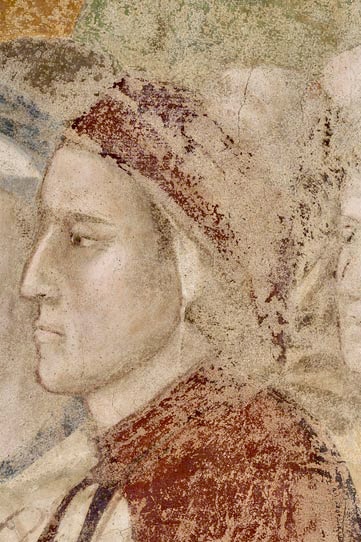
The Aeneid was immediately treated as a school text, a literary authority, and a quasi-sacred national document. Through the Latin Middle Ages it remained the most widely copied and read classical poem. Dante chose Virgil as his guide through Hell and Purgatory in the Commedia, making the relationship between Latin and vernacular literature explicit. The poem's influence on Spenser, Milton, and the epic tradition generally is structural rather than merely derivative.