Vittorio De Sica
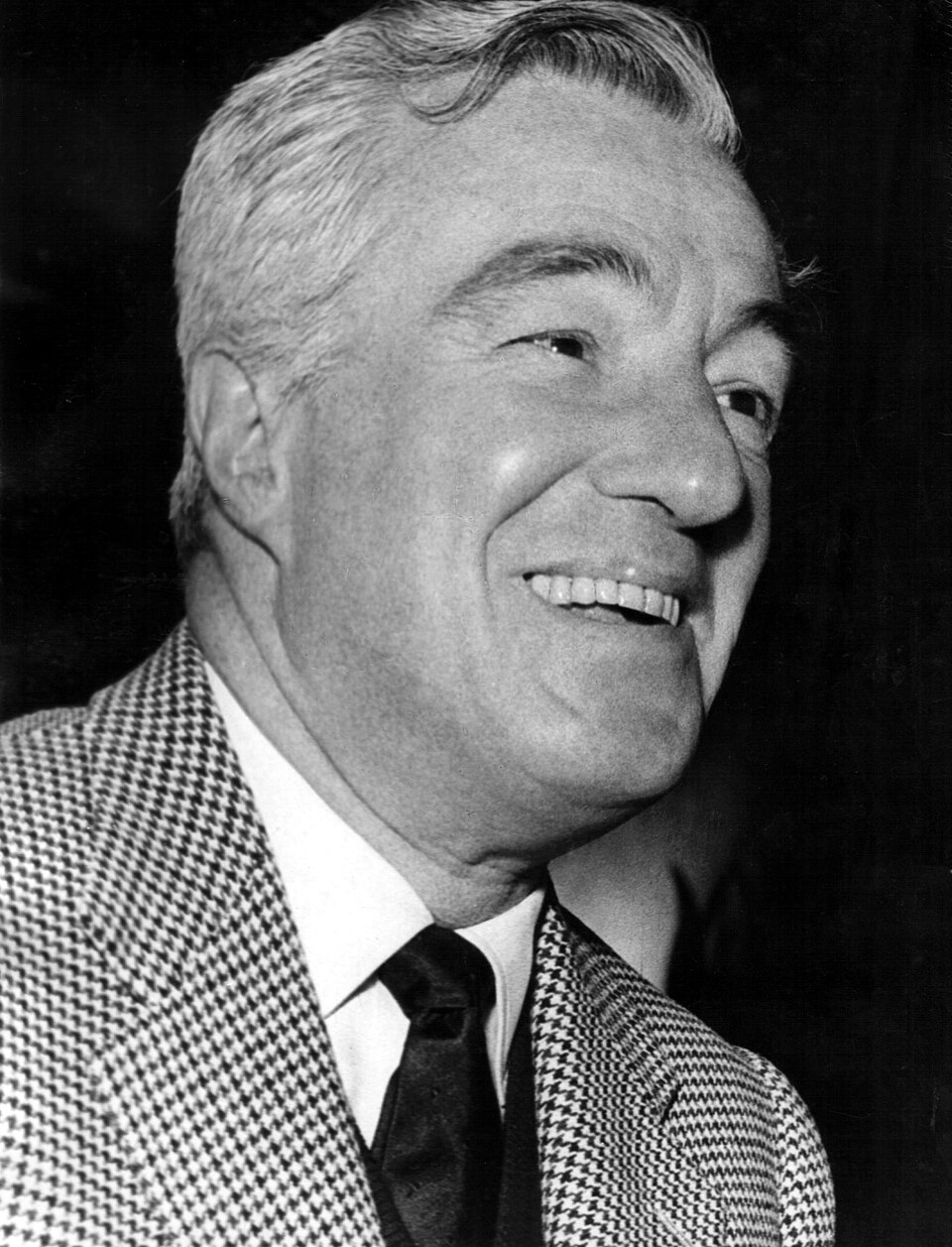
An actor who became a director to tell the stories of people cinema had previously ignored — the unemployed, the homeless, the old, the forgotten.
Vittorio De Sica was an actor who understood poverty from the outside and tried to understand it from the inside — placing his camera among working-class Romans, elderly shoe-shiners, and unemployed labourers with a patience and directness that defined the Italian neorealist movement at its most compassionate. His four neorealist masterworks are among the most emotionally demanding films ever made.
From matinee idol to neorealist
Born in Sora in 1901, De Sica was a celebrated stage and screen actor through the 1920s and 1930s — a matinee idol whose light comedic presence was entirely at odds with the severity of the films he would later make as director. He began directing in the late 1930s and early 1940s, making accessible comedies that gave no indication of what was to come.
The collaboration with screenwriter Cesare Zavattini, which began with The Children Are Watching Us (1944), changed his career entirely. Zavattini held a radical position: cinema should follow the lives of ordinary people in real time, without narrative manipulation, and let the audience find the meaning. De Sica was the instrument through which this theory became practice.
The neorealist films
Shoeshine (Sciuscià, 1946) followed two shoeshine boys in postwar Rome whose friendship is destroyed by the adult world's indifference. The Academy Award for Best Foreign Language Film — the prize had only just been created — was partial acknowledgment of something that outstripped prizes: the film's accumulation of specific, observed detail until the particular case becomes an indictment.
Bicycle Thieves (Ladri di biciclette, 1948) remains the most celebrated Italian film of its period. A man needs his bicycle to keep a job that will feed his family; the bicycle is stolen; he and his small son search Rome for it. The plot is stripped to almost nothing; the city, the faces, and the weight of need carry everything. It received another Academy Award.
Miracle in Milan (1951) introduced fantasy; Umberto D. (1952) — an old man and his dog, unable to survive in postwar Rome — was Zavattini's theory taken to its extreme: nothing happens, and nothing happening is unbearable.
Later career
De Sica continued as both actor and director across a long career. Two Women (La Ciociara, 1960) gave Sophia Loren an Academy Award. The Garden of the Finzi-Continis (1971) won the Oscar for Best Foreign Language Film, returning him to serious critical recognition after decades of commercial work.
His double life — distinguished director, popular actor — was deliberate: he used acting income to fund the more difficult films, a pragmatic arrangement that sustained both practices.
My stories are not about important people. They are about people who are not allowed to be important.