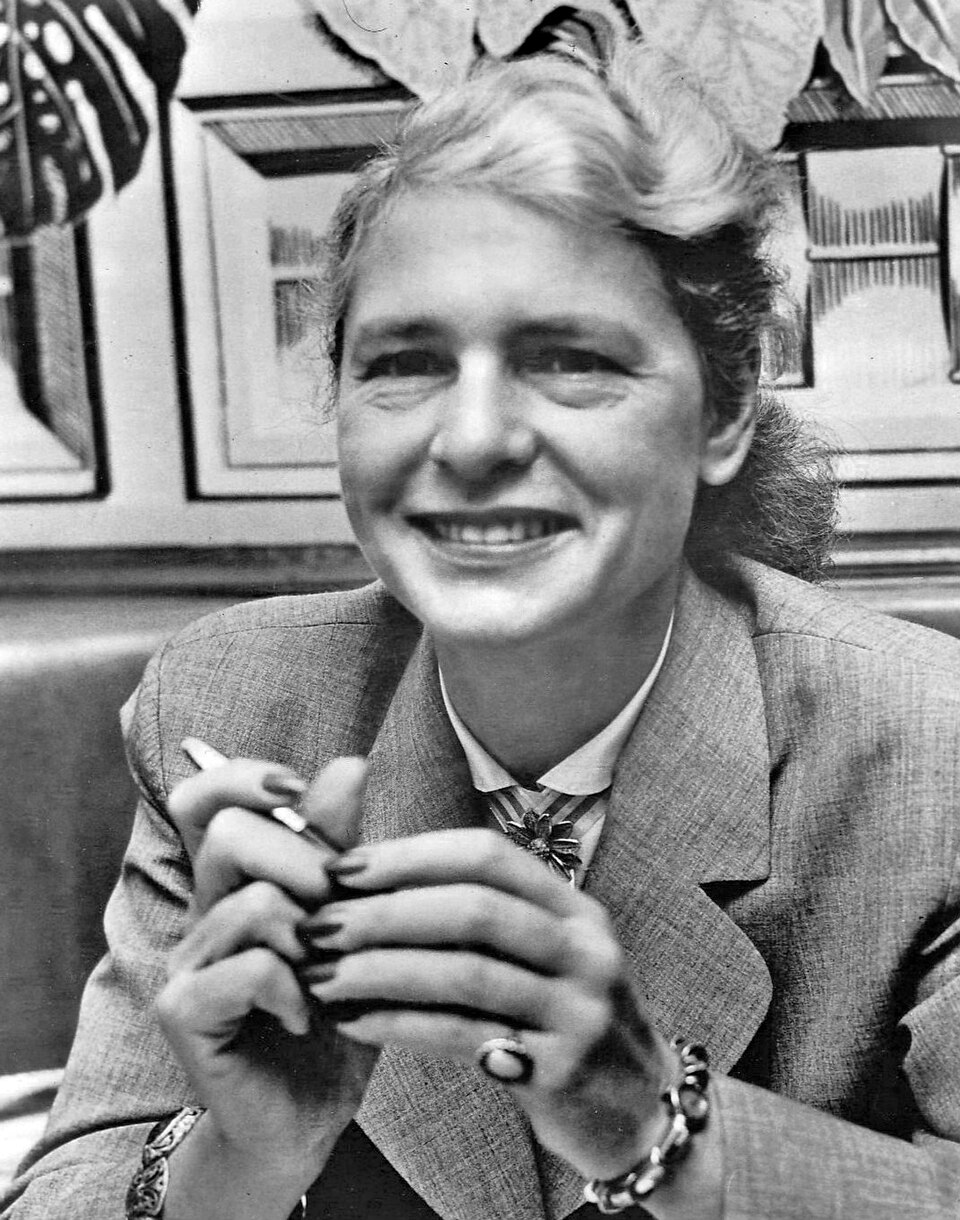
William Eggleston
The American photographer who turned the dye-transfer print and the ordinary American scene into legitimate fine art, permanently shifting what photography was allowed to look at.
When the Museum of Modern Art gave William Eggleston a solo exhibition in 1976 and published a book of his colour photographs of Memphis and its surroundings, critics who had spent careers defending black-and-white photography as the serious medium found themselves without arguments: his pictures of tricycles, light bulbs, and gas stations were undeniably art, and they were in colour.
Early life and the turn to colour
Eggleston was born in Memphis, Tennessee, in 1939 and grew up in the Mississippi Delta. He began photographing in the early 1960s, initially in black and white, under the influence of Cartier-Bresson and the street photography tradition. The decisive shift came around 1965 when he began shooting in colour — at first on colour slides, then, crucially, using the dye-transfer printing process, which produced prints of exceptional saturation and permanence.
Dye-transfer had been used commercially, primarily for advertising, but was largely unknown in fine art photography. Eggleston adopted it precisely because its rich, almost artificial colour could render the mundane American landscape with an intensity that made the ordinary strange.
William Eggleston's Guide
The 1976 MoMA exhibition, curated by John Szarkowski, and the accompanying publication William Eggleston's Guide were the pivotal events of his career and of colour photography's legitimacy. Szarkowski's introduction argued that Eggleston's photographs were neither documentary nor snapshot in the pejorative sense, but precise formal compositions that treated every subject — a supermarket ceiling, a woman at a kitchen table, a red ceiling — as equally worthy of sustained attention.
The photographs showed the American South without ideology or nostalgia: suburban interiors, roadsides, cheap diners, backyards. The subject matter was democratic, the treatment anything but casual.
I am at war with the obvious.
The Democratic Forest
The Democratic Forest (1989), a larger survey of his work, extended the argument: Eggleston photographed everything with the same deliberateness, refusing any hierarchy of subject. A fly on a screen door received the same attention as a human face. The title stated his method as a theory of vision.
He has worked extensively in and around Memphis and has also photographed in Germany, the American West, and elsewhere, but the Southern landscape remains his most deeply understood territory.
Legacy
Eggleston is widely credited with legitimising colour photography as a fine art medium. Before his work, the assumption in serious art photography was that colour was commercial, nostalgic, or sentimental. After MoMA's 1976 exhibition, that assumption became difficult to sustain. Photographers as different as Stephen Shore, Joel Sternfeld, and many subsequent generations of image-makers worked in a field he had opened.
His books remain in print and his photographs are in the permanent collections of major museums internationally.