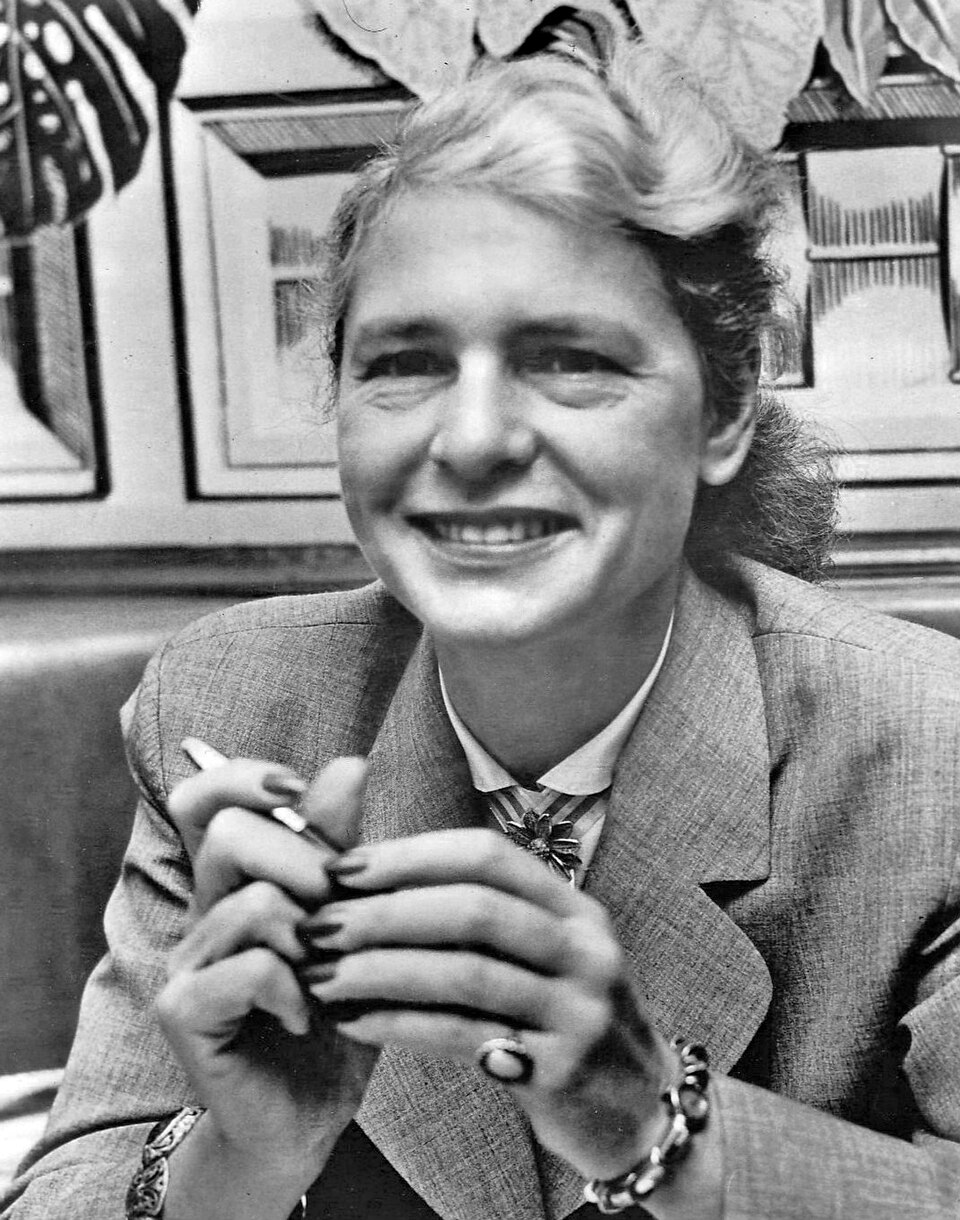
William Klein
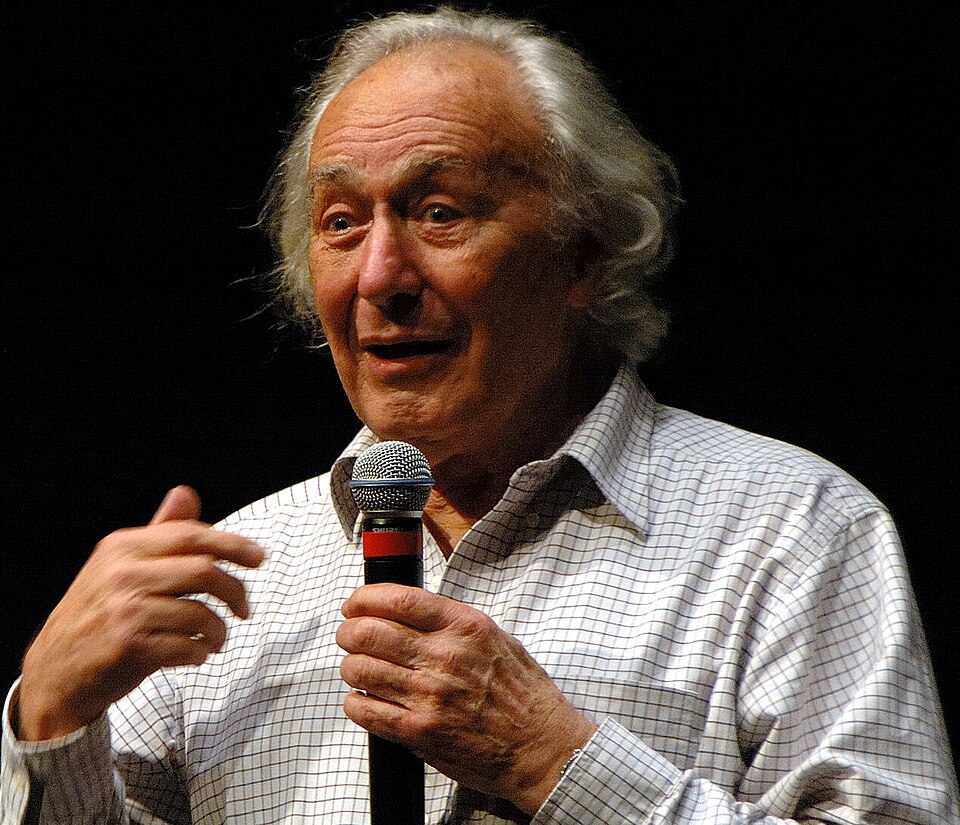
The New Yorker who remade photography from Paris — wide-angle, blurred, confrontational, and absolutely certain of its own argument.
William Klein brought to photography the grain, the blur, the wide-angle distortion, and the confrontational flash that documentary and fashion photography had systematically avoided. His 1956 book Life is Good & Good for You in New York announced a new set of permissions, and the medium has been working through them ever since.
Formation
Klein was born in Manhattan in 1926, grew up in New York, and attended City College of New York before serving in the US Army. After the war he went to Paris, where he studied painting under Fernand Léger. Léger's belief in the bold, the graphic, and the vernacular left a clear mark: Klein's photographs would always read more like posters than like documents.
He began experimenting with abstract paintings on glass, but Vogue magazine noticed his visual intelligence and offered him a position as a fashion photographer in the early 1950s. For more than a decade he worked for Vogue Paris, producing fashion spreads that used the street as backdrop and refused the controlled stillness of studio work. The result was fashion photography that looked like it was happening.
New York and the book
In 1954–55, on a trip back to New York, Klein photographed the city with a wide-angle lens, a flashgun, and maximum proximity. The images were technically impure by the standards of the time — motion blur, tilted horizons, overexposed faces pressed close to the lens — and exactly right as an account of New York's aggressive, crowded energy. The book was rejected by American publishers and appeared in France as Life is Good & Good for You in New York (1956), published by Seuil. It became one of the most influential photography books of the twentieth century, liberating a generation of photographers to work dirty.
I didn't have any strict rules. I just wanted to break them all.
Film and later work
Klein moved into filmmaking in the 1960s, making fiction and documentary films that shared his photography's ironic intelligence. Who Are You, Polly Maggoo? (1966) satirised the fashion world he had inhabited; Muhammad Ali the Greatest (1974) documented Ali's career with access and candour. He continued to move between still photography and film for the rest of his life.
He received the Hasselblad Award in 1990. He lived and worked in Paris until his death in September 2022.