Ada Lovelace
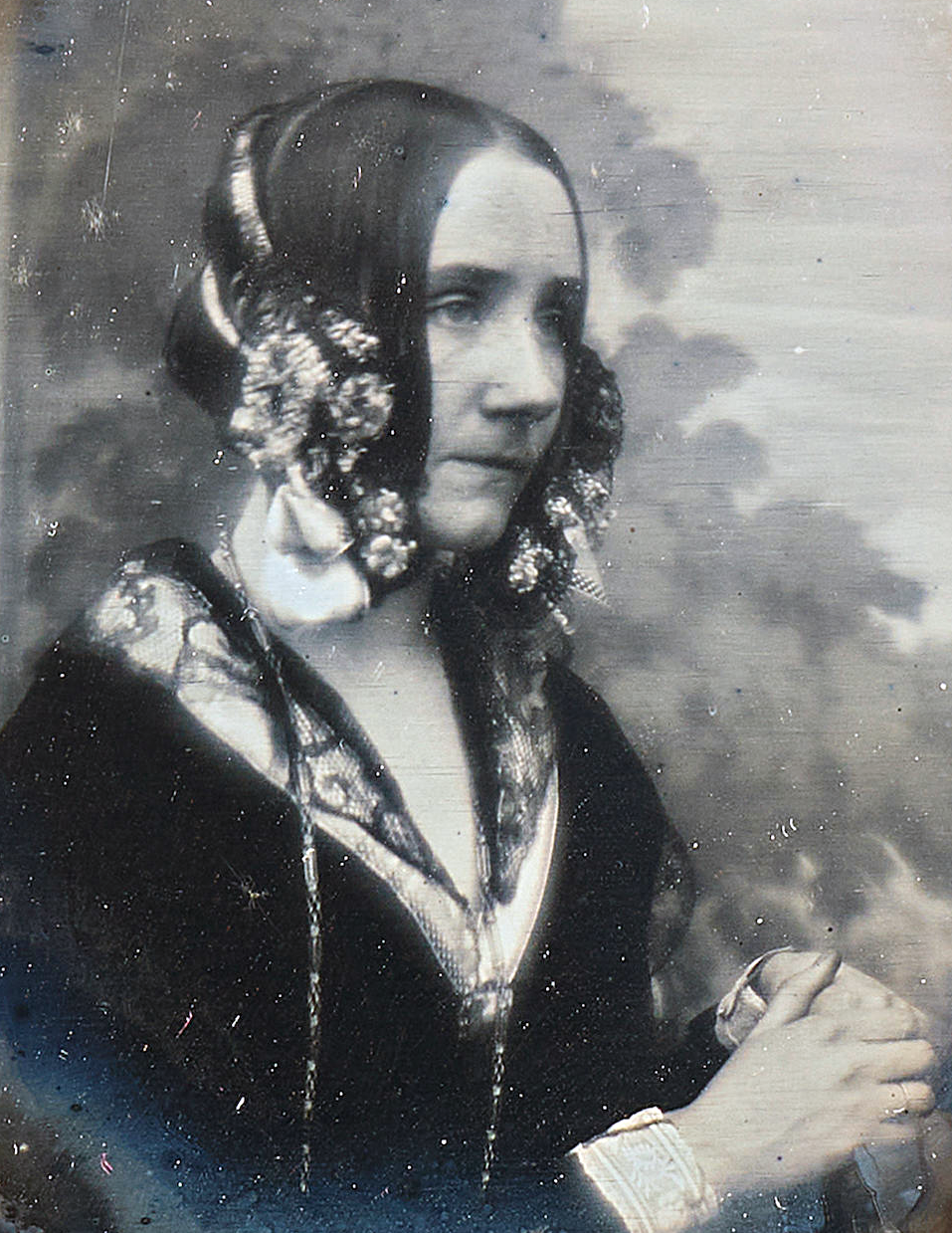
The nineteenth-century mathematician who recognised that Charles Babbage's Analytical Engine could do far more than arithmetic, and wrote what is now regarded as the first computer program.
Ada Lovelace worked at the intersection of mathematics and imagination at a time when both were considered unsuitable for women. Her annotations on Charles Babbage's Analytical Engine — written in 1842–43 and published in 1843 — contain an algorithm for computing Bernoulli numbers that makes her a plausible candidate for the title of the first computer programmer.
Origins and unusual education
Ada Byron was born in London in December 1815, the only legitimate child of the poet Lord Byron, who separated from her mother Anne Isabella Milbanke shortly after Ada's birth and left England permanently. Milbanke, herself mathematically inclined, was determined that her daughter would not inherit what she regarded as her father's dangerous Romantic temperament. Ada received rigorous tuition in mathematics and science, unusual for any child of the period and exceptional for a girl.1
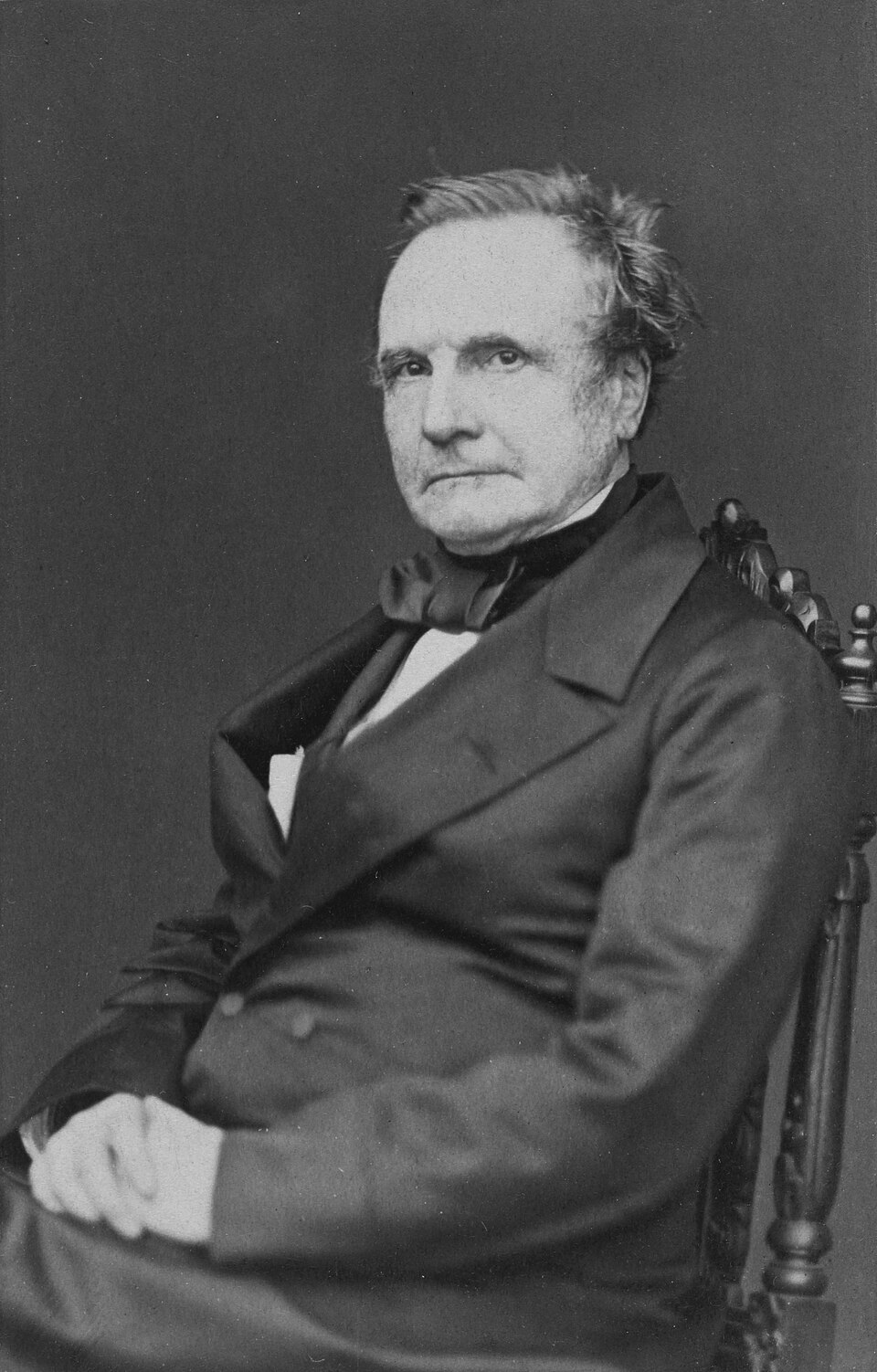
At seventeen, she met Charles Babbage at a party. He showed her models of his Difference Engine, the mechanical calculator he had been developing since 1822. Lovelace was immediately fascinated, and a working relationship and friendship developed that would produce her most significant work.
The Notes on the Analytical Engine
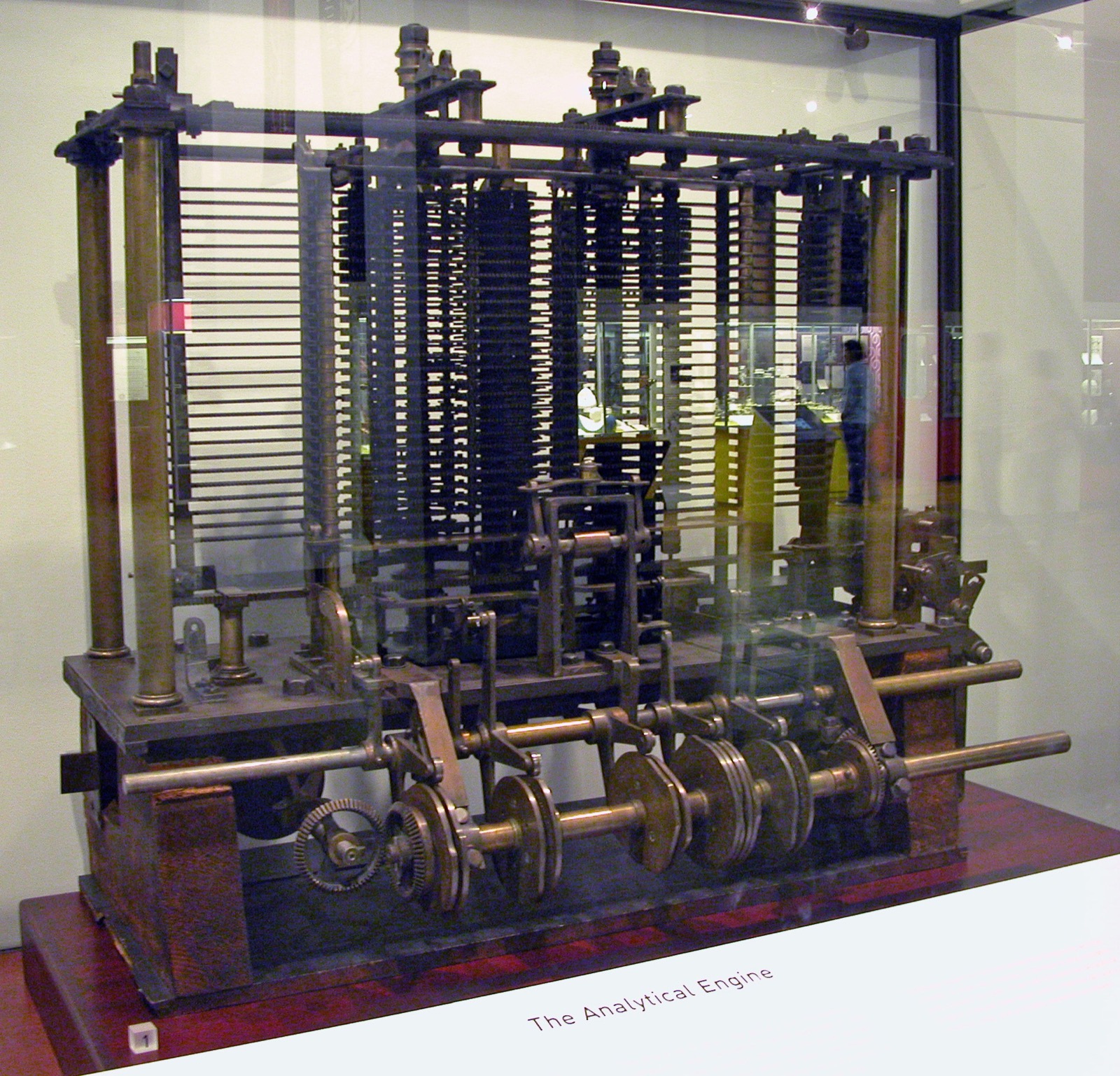
In 1842 the Italian mathematician Luigi Menabrea published a description of Babbage's more ambitious Analytical Engine — a general-purpose mechanical computer that was never built in his lifetime — in French. Babbage asked Lovelace to translate the paper into English. She did so, and added a set of her own annotations, the Notes, that were three times the length of the original text.
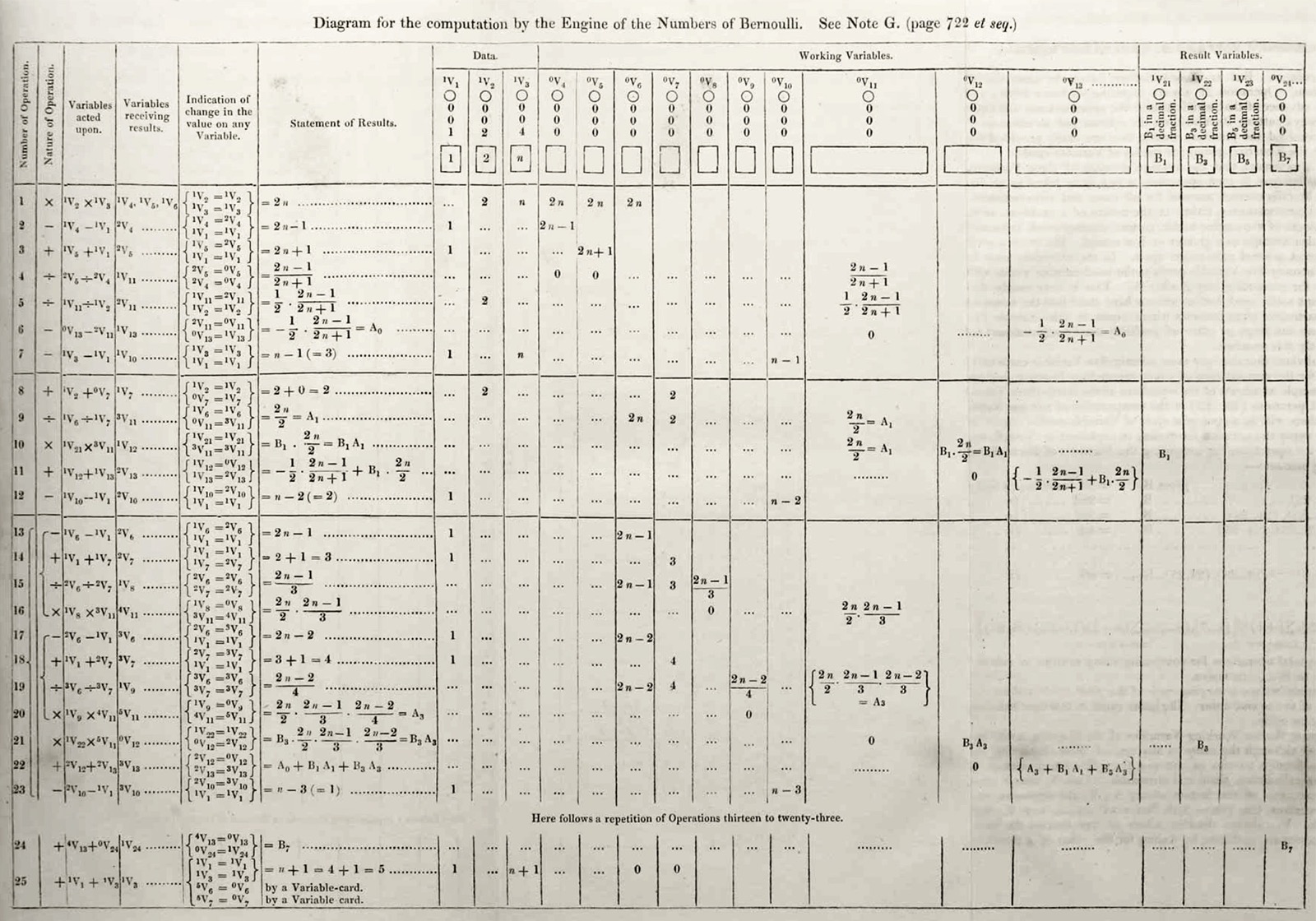
The Notes went substantially beyond translation. They described the Analytical Engine's potential to manipulate symbols according to rules, not merely to calculate with numbers — to compose music, for instance, if musical notation were expressed as symbols the engine could process. Note G, the final annotation, contained a detailed algorithm for computing Bernoulli numbers using the engine, the first published algorithm specifically designed for execution by a machine.
| Section | Content |
|---|---|
| Notes A–E | General description and comparison with the Difference Engine |
| Note F | On the engine's ability to handle algebraic operations |
| Note G | Algorithm for Bernoulli numbers — first computer program |
Method and vision
Lovelace was clear-eyed about the engine's limits: it could only do what it was instructed to do. It had no capacity to originate. This distinction — known informally as "Lady Lovelace's objection" — entered computer science as a philosophical problem and was directly addressed by Alan Turing in his 1950 paper Computing Machinery and Intelligence. Yet within those limits she saw possibilities that Babbage himself had not articulated: that a machine that could process any symbol according to rules was potentially a machine for any formal task.
Legacy
Lovelace died in 1852 of uterine cancer, aged 36. Her work was largely forgotten for a century. It was recovered and rehabilitated from the 1950s onward, notably by B.V. Bowden, who reprinted the Notes in his 1953 collection Faster Than Thought. The United States Department of Defense named its programming language Ada in her honour in 1980. Ada Lovelace Day, observed annually in October, recognises the contributions of women in science, technology, engineering, and mathematics.
The Analytical Engine weaves algebraical patterns just as the Jacquard loom weaves flowers and leaves.
Footnotes
- The irony is that Lovelace's published work has been described by some historians as combining mathematical precision with a distinctly poetic vision of what machines might do — an inheritance from both parents. ↩