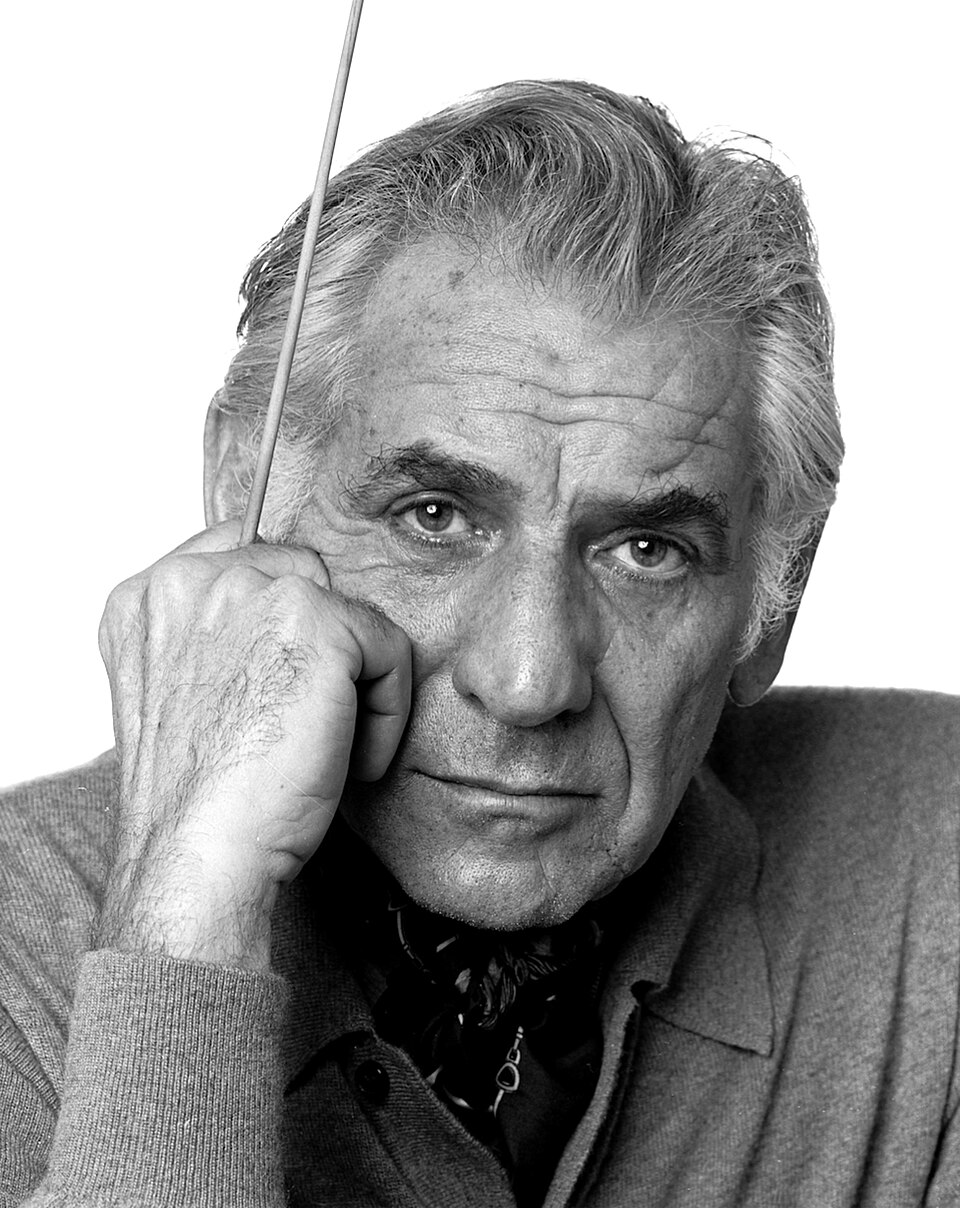
David Bowie
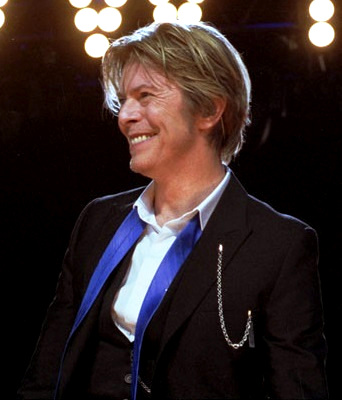
A shape-shifting English musician who made constant reinvention itself the artistic statement, rewriting the possibilities of rock across five decades.
David Bowie spent five decades methodically dismantling the persona he had just perfected, then building a new one — from Ziggy Stardust to the Thin White Duke to the reclusive elder statesman of Blackstar. His was not mere image play but a sustained argument that identity itself is a construction, and that music can carry that argument at the highest artistic register.
South London beginnings
Born David Robert Jones in Brixton on 8 January 1947, Bowie grew up in Bromley and took his stage surname to avoid confusion with Davy Jones of The Monkees. A schoolyard fight left him with a permanently dilated left pupil — the distinctive heterochromatic appearance that became part of his mystique. Early bands and a string of unremarkable singles taught him stagecraft and patience; it was not until Space Oddity (1969), timed to the Apollo 11 moon landing, that he registered with the wider public.1
The glam years and Ziggy
The early 1970s produced Bowie's most mythologised chapter. The Rise and Fall of Ziggy Stardust and the Spiders from Mars (1972) introduced an alien rock messiah whose androgynous costuming and theatrical stage show rewired British pop culture. Aladdin Sane (1973) and Diamond Dogs (1974) followed in rapid succession. Bowie understood that retiring Ziggy before the audience did was the only way to keep the story from turning sour; the announcement at Hammersmith Odeon in July 1973 became a piece of performance art in its own right.
The Berlin Trilogy and formal ambition
Relocating to Berlin in the mid-1970s with Iggy Pop, Bowie worked alongside producer Brian Eno on three albums — Low, "Heroes" (both 1977), and Lodger (1979) — that placed his career on an entirely different footing. The records absorbed Krautrock, ambient music, and electronic texture into a pop framework; they influenced post-punk and new wave more durably than almost anything produced in that era. "Heroes" remains a particular touchstone: recorded in a single studio session, the title track's mounting urgency has attached itself to monuments, sports events, and political moments across decades.
Later work and Blackstar
After a commercially reliable 1980s and a quieter 1990s, Bowie staged a late-career assertion with The Next Day (2013) and, most arrestingly, Blackstar (2016), released two days before his death from liver cancer. The album functions simultaneously as a farewell and a formal experiment, incorporating jazz textures and extended compositions. Critics read its imagery retrospectively as a prepared departure — one final reinvention, this time into silence.
I don't know where I'm going from here, but I promise it won't be boring.
Footnotes
- Bowie re-recorded and re-released Space Oddity in 1972 to capitalise on his Ziggy-era fame; the 1972 version reached number 1 in the UK. ↩