Felix Mendelssohn
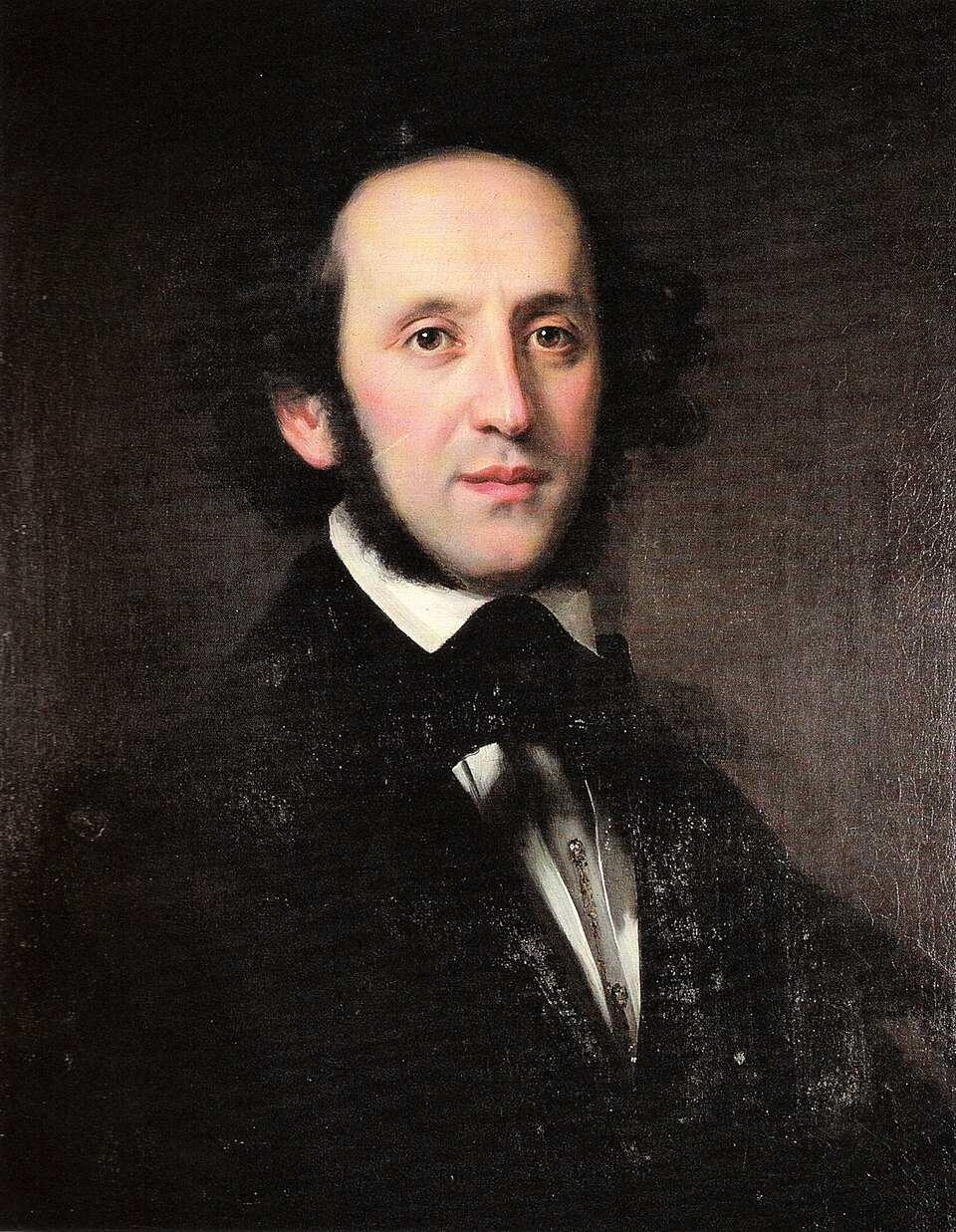
The composer who reconciled classical form with Romantic feeling, revived Bach for the modern world, and produced some of the most immediately recognisable music of the nineteenth century before dying at thirty-eight.
Felix Mendelssohn composed the Octet for Strings at sixteen and the overture to A Midsummer Night's Dream at seventeen — two of the most accomplished pieces of the early Romantic era. He then spent the rest of his short life demonstrating that classical formal discipline and Romantic expressive warmth were not opposed: that a symphony could be structurally impeccable and immediately engaging, that an oratorio could be rigorous and popular. He died at thirty-eight; the argument he was making is still being made.
Origins and early gifts
Jakob Ludwig Felix Mendelssohn Bartholdy was born in Hamburg in 1809 into a wealthy, cultivated family. His grandfather was the philosopher Moses Mendelssohn; his father a banker who converted the family from Judaism to Lutheranism and added the surname Bartholdy. Felix and his sister Fanny — herself a significant composer — grew up in a Berlin household where the Sunday morning concerts were attended by intellectuals, artists, and eventually the leading musicians of Europe.
He studied composition with Carl Friedrich Zelter, a friend of Goethe who was also a significant figure in the Berlin choral tradition. Goethe, who knew him from his childhood, compared his gifts to Mozart's. The comparison was not casual.
The Bach revival
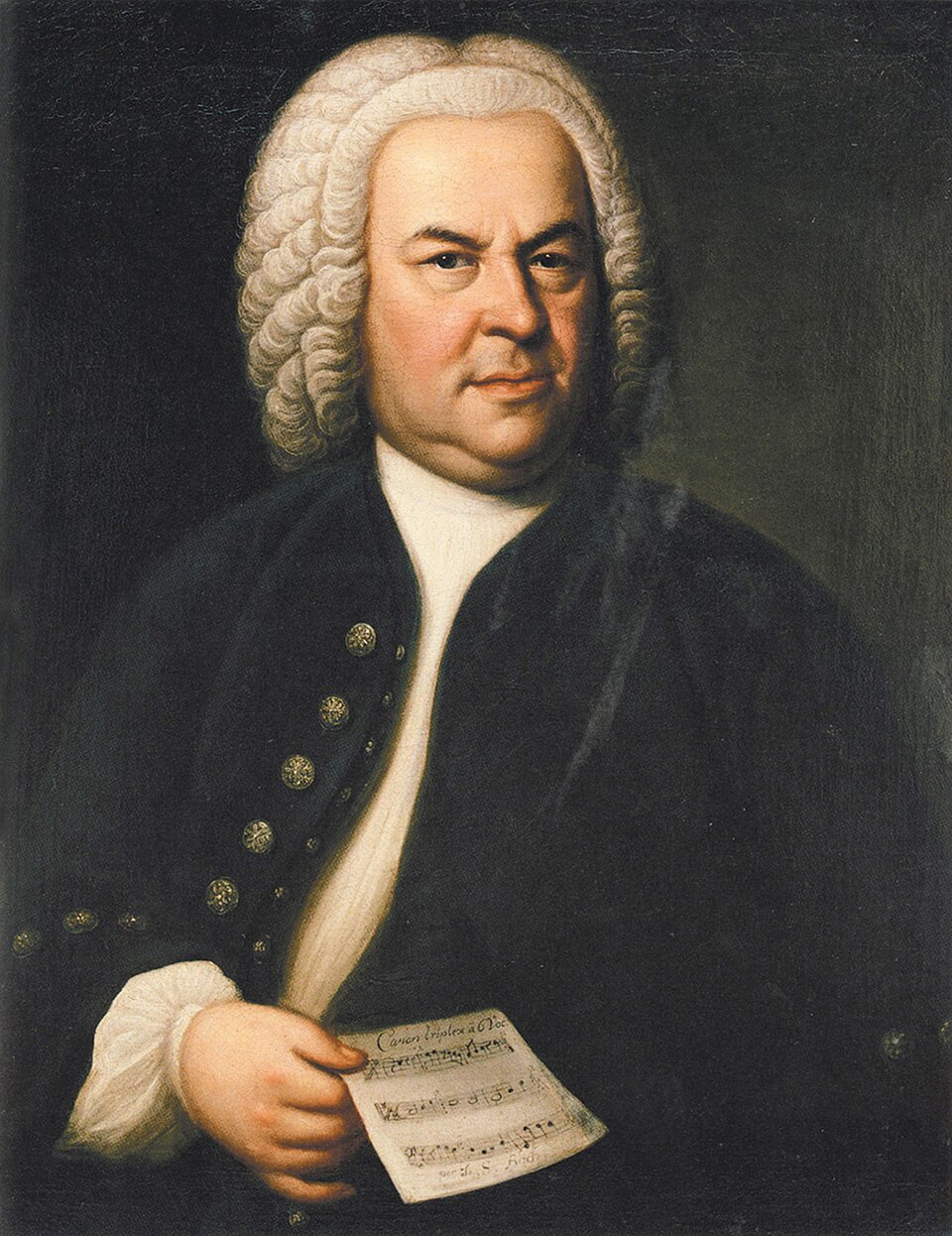
In 1829, at twenty years old, Mendelssohn conducted the first performance of Bach's St Matthew Passion since Bach's own time, nearly a century after the original. The performance, at the Berlin Singakademie, drew an audience that included Hegel and helped initiate the Bach revival that would make Bach central to the European concert repertoire. Mendelssohn's role was editorial and conducting: he abridged the work and made it accessible to an audience that had never heard it. His championing of Bach throughout his career — programming him at the Gewandhaus in Leipzig — was consistent and consequential.
The thoughts which are expressed to me by music that I love are not too indefinite to be put into words, but on the contrary, too definite.
Defining works
The Midsummer Night's Dream overture (1826) and the incidental music he added to it in 1842 — including the famous Wedding March — are among the most performed pieces in the orchestral repertoire. The two oratorios, St. Paul (1836) and Elijah (1846), revived the Handelian tradition for the nineteenth century: Elijah in particular, premiered at the Birmingham Festival under the composer's direction, was an immediate and sustained success. His Violin Concerto in E minor (1844) became one of the central works of the concerto repertoire and remains so.
The Hebrides Overture (1830), composed after a visit to Scotland, is one of the earliest and finest examples of musical landscape painting: the opening figure captures the swell of the sea with an economy that no programmatic description matches.
Legacy
Mendelssohn founded the Leipzig Conservatory in 1843, establishing one of the most influential music institutions of the century. His death, following a series of strokes after his sister Fanny's sudden death the same year, was mourned across Europe. The early disparagement of his music — Wagner's polemic against "Jewish influence" in music was partly aimed at him — kept his reputation depressed through the late nineteenth and early twentieth centuries. The rehabilitation that followed, through the twentieth century, has restored him to his proper position as one of the most gifted composers of the Romantic era.