Franz Liszt
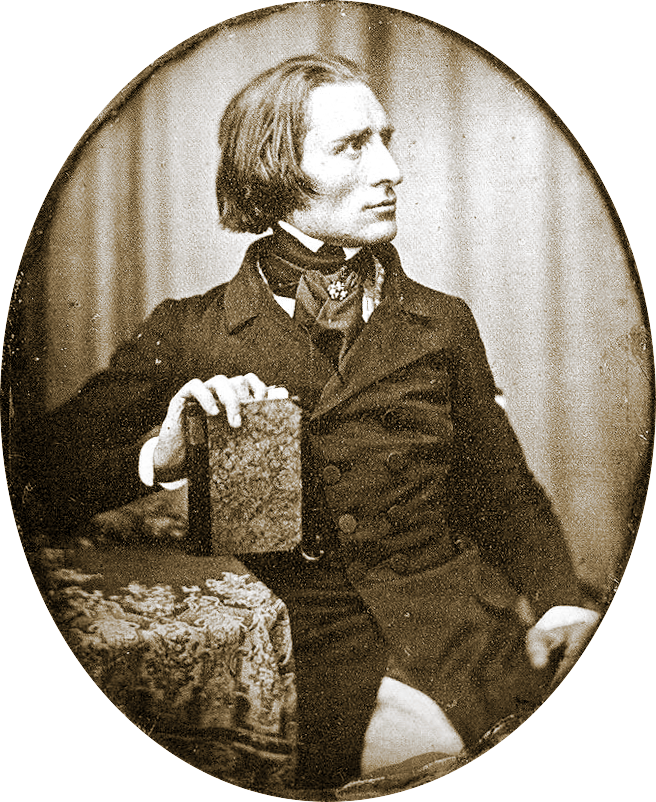
The Romantic era's supreme virtuoso, who reinvented the piano recital, invented the symphonic poem, and spent his last decades as the most generous teacher in European music.
Franz Liszt was the first musician to fill a large concert hall on the strength of his playing alone, and the phenomenon that surrounded his tours — fainting audiences, women fighting for his gloves — gave the century a word: Lisztomania. But the virtuosity was in service of something more serious. He invented the symphonic poem as a form, transformed the piano's technical and expressive range, and in his late works pointed toward a harmonic freedom that Wagner, Debussy, and the twentieth century would follow.
Origins and the prodigy years
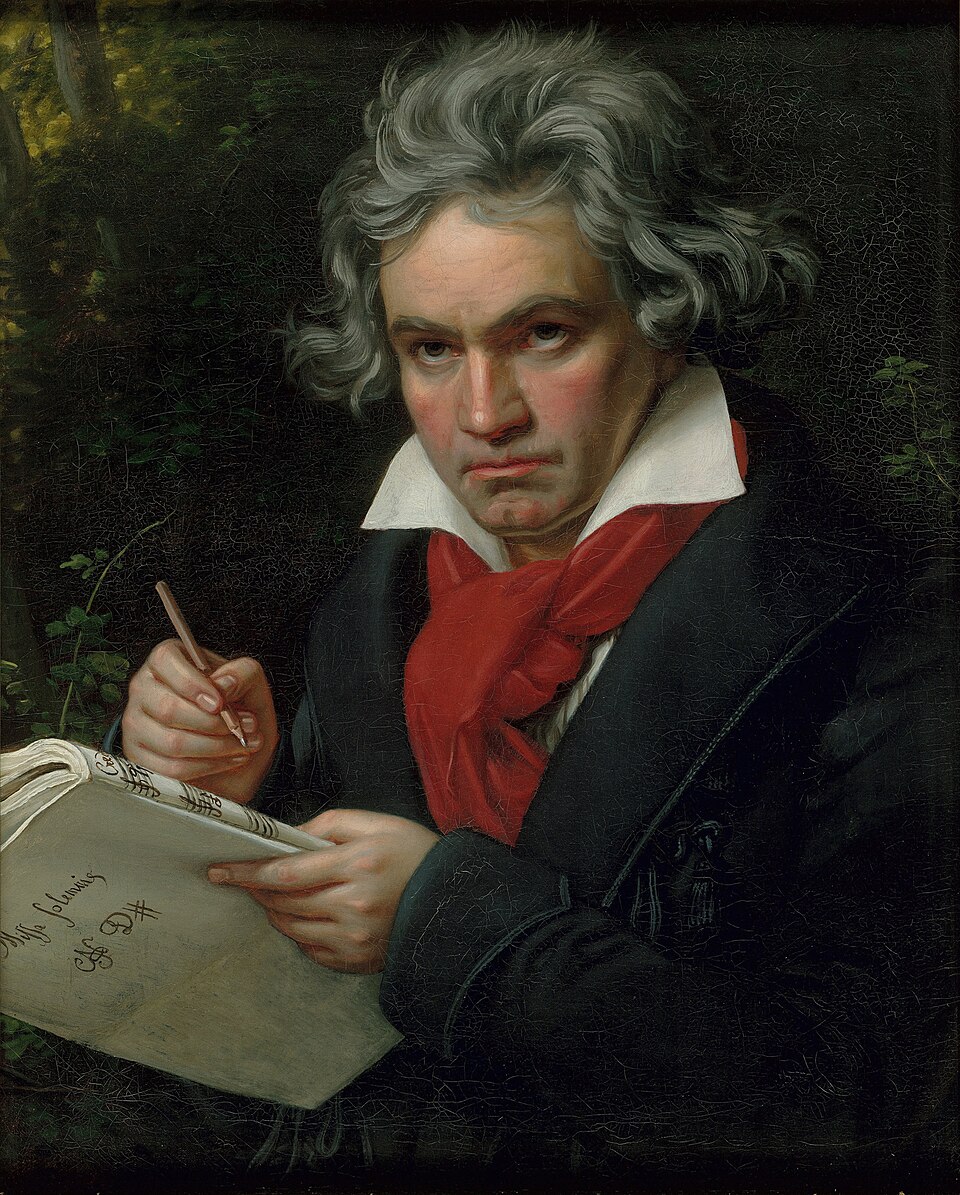
Liszt was born in 1811 in Raiding, in the Kingdom of Hungary (now Austria), the son of Adam Liszt, a steward on the Esterházy estates who was himself an amateur musician. He showed extraordinary ability at the keyboard from childhood; by his early teens he had studied in Vienna with Carl Czerny and played before Beethoven. Moving to Paris, he became a sensation in aristocratic salons. But his ambition was always compositional as well as performative.
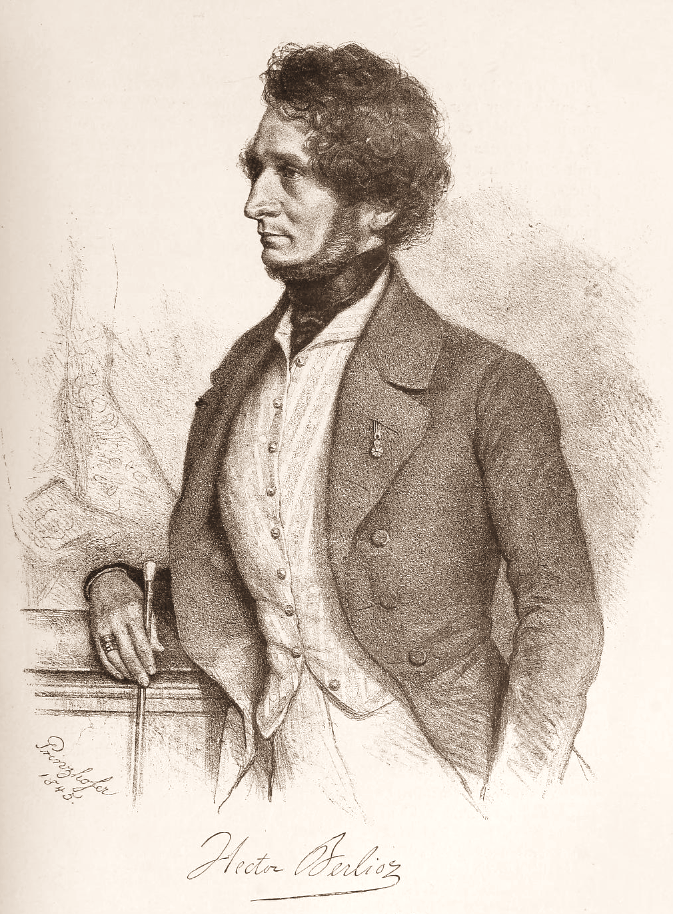
The years in Paris brought contact with Berlioz and Paganini, both of whom shaped his thinking: Berlioz gave him the idea of programme music, Paganini the model of absolute technical mastery deployed in service of an idea.
The virtuoso career
From the late 1830s into the 1840s, Liszt toured Europe in a way no musician had before — solo concerts without supporting artists, which he called récitals. He transcribed orchestral works, operas, and symphonies for solo piano with a fidelity and brilliance that made live orchestral performance seem almost redundant. His transcriptions of Beethoven's symphonies and Wagner's operas were the primary means by which many European audiences encountered those works.
In 1847 he gave his last paid public concert and retired to Weimar, where he served as court Kapellmeister and began composing on a larger scale.
Beware of how you handle a melody; it is a flower.
Weimar and the symphonic poem
At Weimar, Liszt composed twelve symphonic poems — single-movement orchestral works built around a poetic or programmatic idea, a form he named and essentially invented. Les Préludes, Orpheus, and Mazeppa date from this period. He also composed his two piano concertos and the Faust Symphony, each of them formally experimental. The Weimar years also saw him championing Wagner and Berlioz at a time when both were controversial.
His late works — the Via Crucis, the Nuages gris, the Bagatelle sans tonalité — use harmony in ways that dissolve tonal centre and anticipate twentieth-century practice. These pieces were largely ignored in his lifetime.
Legacy
Liszt's legacy is threefold. As a performer he established the model of the solo recital and the standard of technical command against which all subsequent pianists are measured. As a composer he created the symphonic poem and bequeathed to Wagner and Debussy the harmonic extensions his late works explored. As a teacher — he taught hundreds of students in Weimar, Budapest, and Rome, charging no fees — he shaped the next generation of European pianists and composers more directly than any other figure of the century.