Kendrick Lamar
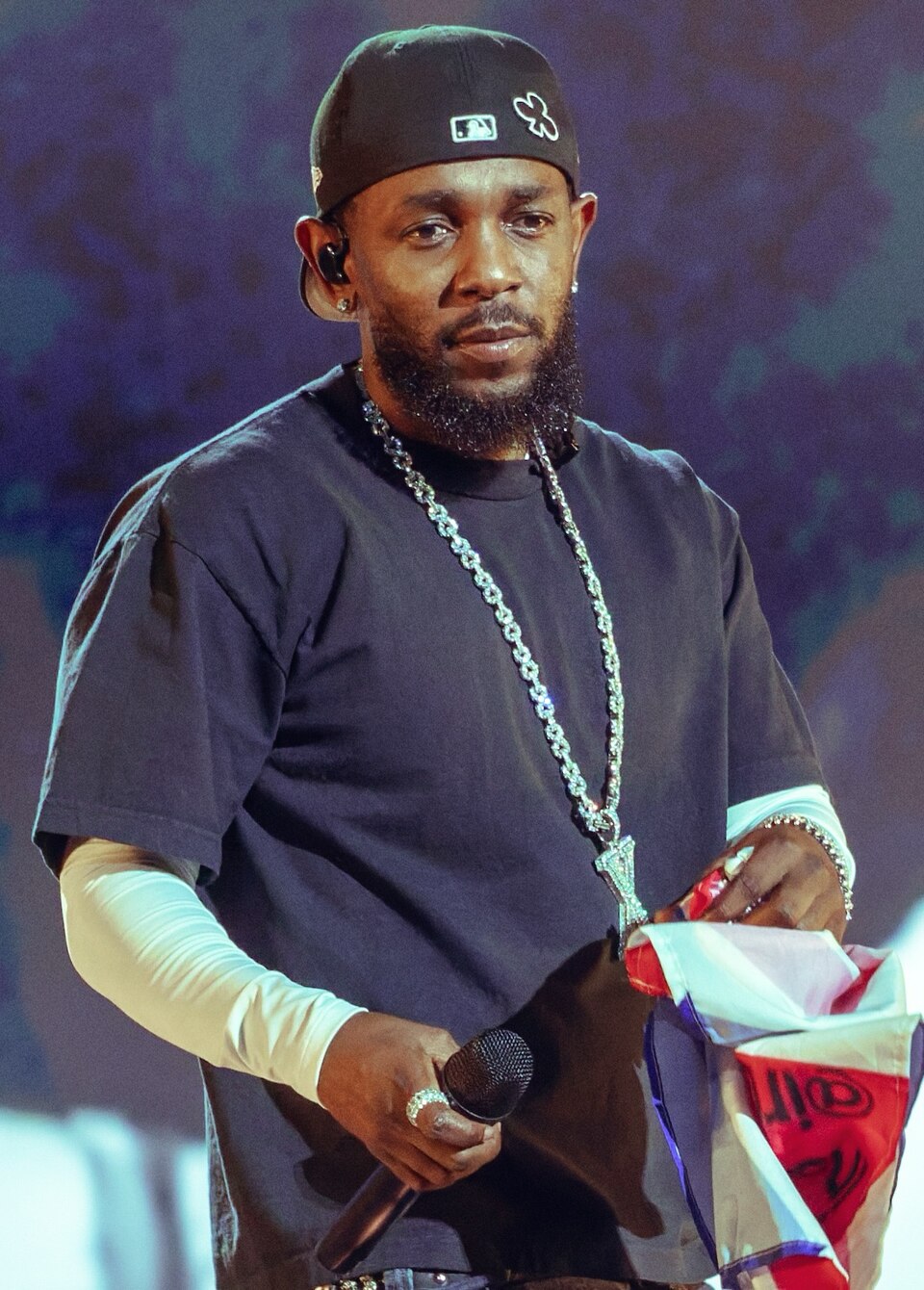
A Compton rapper who brought the moral weight of the Black American experience to mainstream hip-hop and became the first musician outside classical and jazz to receive the Pulitzer Prize for Music.
Kendrick Lamar grew up in Compton in the long shadow of West Coast gangsta rap and chose to make that shadow the subject of serious artistic inquiry — tracing the psychological, historical, and spiritual dimensions of Black life in America across a series of albums that function as much as literature as they do as commercial music. In 2018, the Pulitzer Board's decision to award him its Music Prize confirmed what critics had been saying for years.
Compton and early mixtapes
Born Kendrick Lamar Duckworth on 17 June 1987 in Compton, California, Lamar grew up in a neighbourhood whose musical geography — shaped by N.W.A, Dr. Dre, and Tupac Shakur — he absorbed as both listener and aspiring practitioner. Releasing mixtapes under the name K-Dot from his mid-teens, he built a local reputation before Top Dawg Entertainment signed him. His 2009 mixtape Overly Dedicated and the independently released Section.80 (2011) announced an analytical intelligence operating on different terms from his peers: dense internal rhyme schemes, shifting narrative perspectives, and a refusal to settle accounts too neatly.
Good Kid and major-label arrival
good kid, m.A.A.d city (2012), released on Aftermath/Interscope following Lamar's signing by Dr. Dre, became one of the defining hip-hop albums of the decade. Structured as a single day in the life of a teenager navigating gang violence, temptation, and faith in Compton, the album operates simultaneously as autobiography, moral fable, and social document.1 Its critical reception was exceptional; it debuted at number two on the Billboard 200 and has since certified multi-platinum.
To Pimp a Butterfly and the Pulitzer
To Pimp a Butterfly (2015) expanded the canvas dramatically. Incorporating live jazz, funk, and spoken-word poetry, the album addressed systemic racism, survivor's guilt, and Black identity with a formal ambition that invited comparison with concept albums and literary fiction. Its centrepiece, a poem addressed to Tupac Shakur that accumulates across the album, is constructed with the deliberateness of verse. DAMN. (2017) narrowed the focus and hardened the percussion; its 2018 Pulitzer Prize citation praised "a virtuosic song collection unified by its vernacular authenticity and rhythmic dynamism that offers affecting vignettes capturing the complexity of modern African-American life."
Later work and cultural standing
Mr. Morale & The Big Steppers (2022) continued Lamar's pattern of internal reckoning, engaging with therapy, accountability, and the cost of public status. His Super Bowl halftime performance in 2025 consolidated a recognition that had grown beyond music into broader cultural authority. His 2024–25 public dispute with Drake — conducted primarily through diss tracks including "Not Like Us" — drew extraordinary public attention and was widely read as a statement about artistic integrity within hip-hop.
I got a greater purpose. God put something in my heart to get across, and that's to help people.
Footnotes
- Lamar has spoken in interviews about the album's autobiographical basis; several of the characters in good kid are drawn directly from his adolescence in Compton. ↩