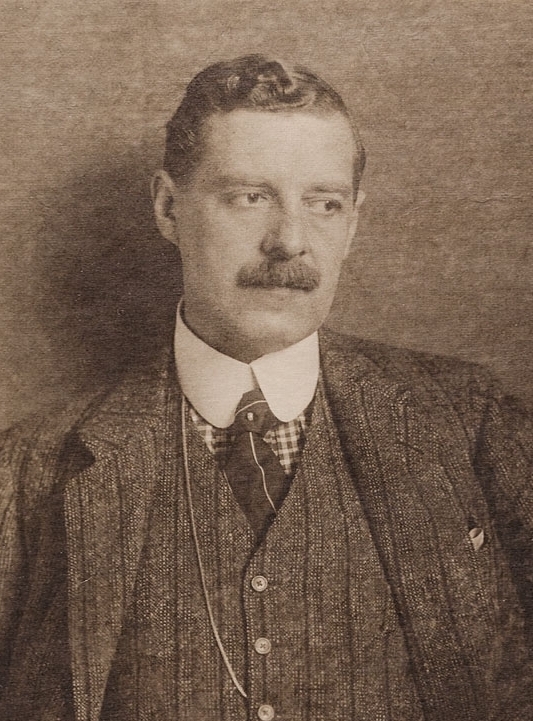
Peter Zumthor
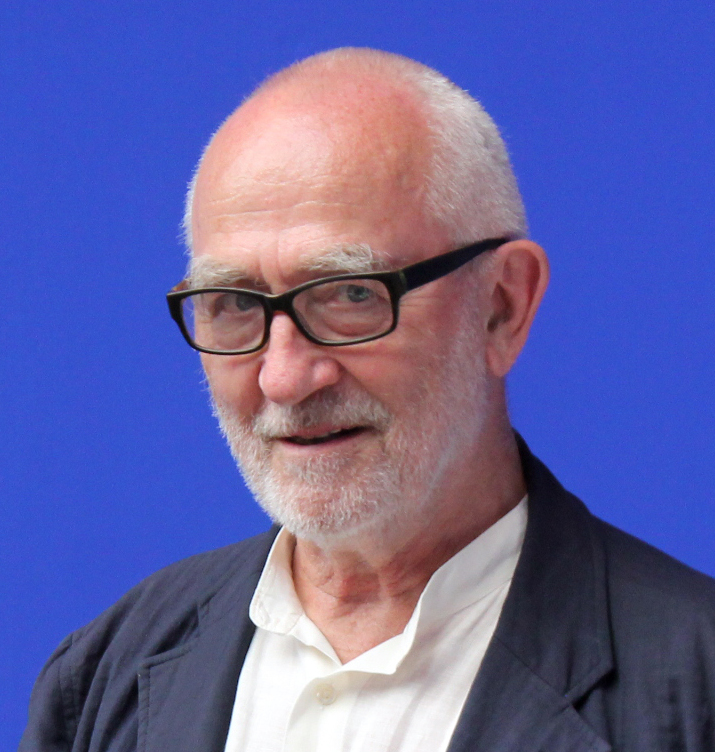
The Swiss architect who treats materials as instruments of atmosphere, making buildings that are felt before they are understood.
Peter Zumthor has built fewer buildings than almost any architect of comparable reputation — and that economy of output is inseparable from his influence. Working from a small office in the Alpine village of Haldenstein, he has produced buildings so precise in their use of material and light that they have reshaped how architects think about atmosphere, sensation, and slowness.
Formation
Zumthor was born in Basel in 1943, the son of a cabinetmaker. He trained as a joiner before studying at the Kunstgewerbeschule Basel and later at the Pratt Institute in New York. The craft background is not incidental: Zumthor's architecture begins with material — how wood sounds underfoot, how stone absorbs warmth, how water moves in a contained space. He worked as a preservation architect for the canton of Graubünden before establishing his own practice, an experience that deepened his understanding of how buildings age and how materials perform over time.
The Defining Works
The Thermal Baths at Vals (1996) in the Swiss Alps are the building most associated with Zumthor's reputation. Carved into the hillside above the village of Vals, the baths are built almost entirely from locally quarried quartzite, layered in horizontal bands. Light enters through a grid of skylights cut in the roof, falling on water and stone in ways that shift through the day. The building is barely visible from outside; the experience is interior, bodily, and deliberate. It has been analysed, published, and photographed more than almost any other building of its era.1
The Saint Benedict Chapel (1988) near Sumvitg, Graubünden, arrived earlier and announced the same sensibility at smaller scale: a free-standing timber chapel on a steep meadow, its curved silver form folded into the hillside. The Kunsthaus Bregenz (1997) in Austria resolved the problem of the museum building differently — a luminous concrete cube with glass panels that diffuse daylight into each gallery floor — while the Bruder Klaus Field Chapel (2007) near Mechernich, Germany, was built by local farmers around a timber framework that was then burned out, leaving a soot-blackened interior and a concrete exterior that records every log of the original structure.
Method and Writing
Zumthor has been explicit about his aims in two widely read short books: Thinking Architecture (1998) and Atmospheres (2006). The second — barely sixty pages — describes what he calls the nine atmospheres of a building: the body of the architecture, the material compatibility of things, the sound of a space, the temperature, surrounding objects, between composure and seduction, tension between interior and exterior, levels of intimacy, and the light on things. These categories have entered architectural education globally.
| Building | Location | Year |
|---|---|---|
| Saint Benedict Chapel | Sumvitg, Graubünden | 1988 |
| Thermal Baths Vals | Vals, Graubünden | 1996 |
| Kunsthaus Bregenz | Bregenz, Austria | 1997 |
| Swiss Pavilion, Expo 2000 | Hanover, Germany | 2000 |
| Bruder Klaus Field Chapel | Mechernich, Germany | 2007 |
Legacy
The Pritzker Prize jury in 2009 described Zumthor as possessing "a rare quality of absolute commitment to architecture." The RIBA Royal Gold Medal followed in 2013. His influence on younger architects — and on the discourse around materiality, craft, and the phenomenology of building — exceeds what his modest number of completed works might suggest. He continues to work from Haldenstein, accepting commissions slowly and refusing to expand his office beyond a small core of collaborators.
There are things — I do not know how to call them differently — things that have this mysterious quality of presence.
Footnotes
- The Thermal Baths at Vals are regularly cited in surveys of the most significant buildings completed since 1980. ↩