Prince
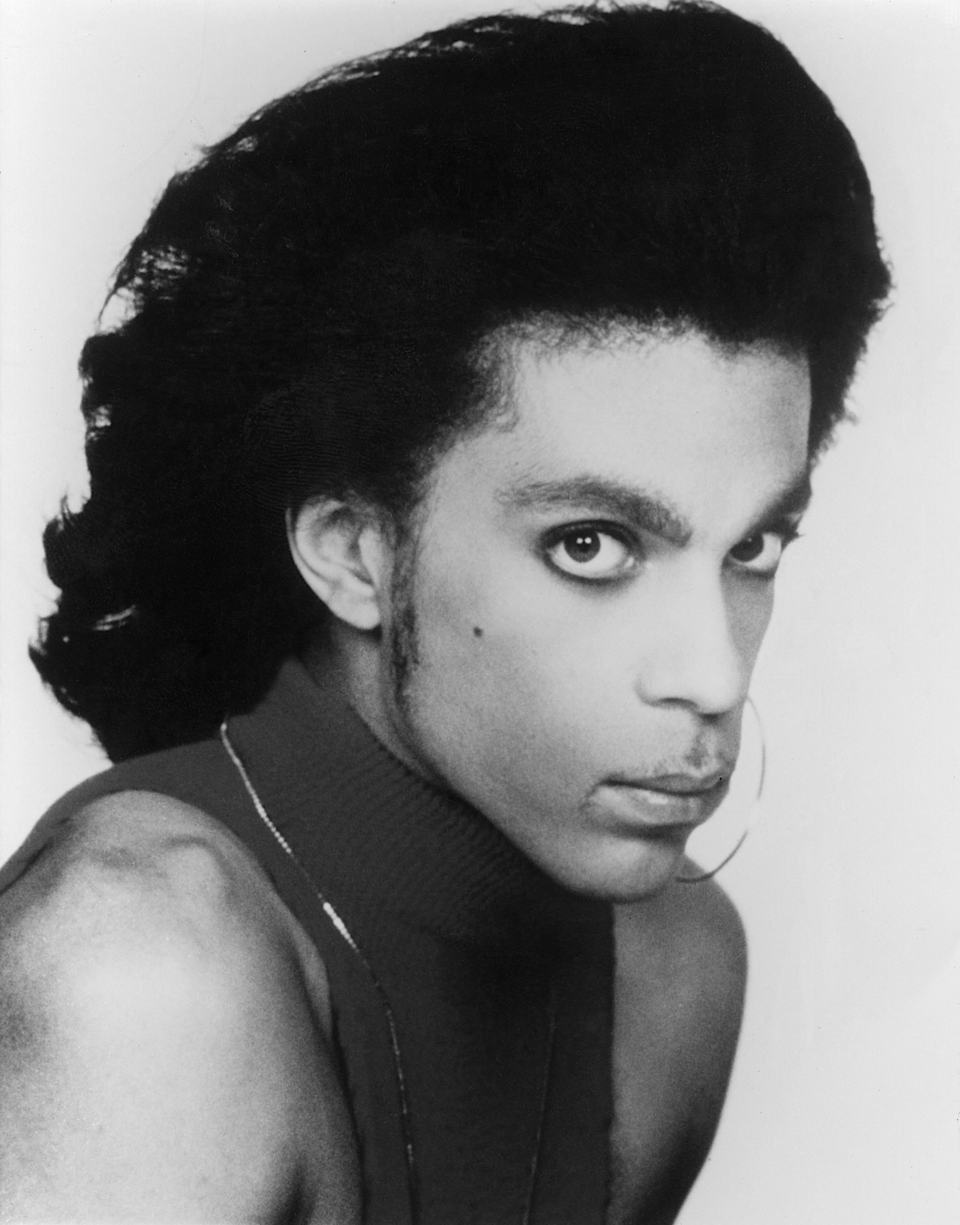
A one-man studio who played every instrument, controlled every release, and in doing so rewired the relationship between Black music and mainstream pop.
Prince Rogers Nelson was one of the most complete musical talents of the twentieth century's final decades — a multi-instrumentalist, producer, dancer, and performer who synthesised funk, rock, R&B, and pop into a sound so distinct it acquired its own name. He sold an estimated 100 million records worldwide, won seven Grammy Awards, and spent his career refusing to be owned by the industry he dominated.
Origins and formation
Born in Minneapolis in 1958, Prince grew up in a household where music was present but unstable; his parents — both musicians — separated early, and he moved between them and friends' homes. He taught himself to play piano, guitar, and drums, and by his early teens was writing and recording his own material. He signed to Warner Bros. Records at nineteen, securing an unusual degree of creative control for a debut artist. His first albums — For You (1978) and Prince (1979) — established his signature: explicit sexuality, chromatic funk, and meticulous studio craft, all performed essentially alone.
The Minneapolis sound and commercial peak
Through the early 1980s Prince refined what became known as the Minneapolis sound: a blend of synthesiser-driven funk, rock guitar, and New Wave aesthetics that set him apart from both the Black music mainstream and rock radio. Dirty Mind (1980) and Controversy (1981) built a cult following. 1999 (1982) broke him to wider audiences. Then Purple Rain (1984) — the soundtrack to the film of the same name — became a phenomenon: a number one album in the United States for twenty-four weeks, the source of multiple hit singles, and a demonstration that Prince could hold an arena the size of his ambition. The film won him an Academy Award for Best Original Song Score1.
Control and conflict
Prince's battle with Warner Bros. over ownership of his master recordings became a defining act of his later career. In 1993 he changed his name to an unpronounceable symbol, wrote "slave" on his cheek at public appearances, and released material under the symbol to fulfil contractual obligations while preserving his dignity. After his contract expired in 1996 he reclaimed the name Prince. The conflict prefigured later industry-wide debates about artists' rights to their own catalogues. He established Paisley Park in Chanhassen, Minnesota — a studio compound that functioned as creative headquarters and, eventually, museum.
| Album | Year | Notable singles |
|---|---|---|
| Purple Rain | 1984 | "When Doves Cry", "Let's Go Crazy" |
| Sign 'O' the Times | 1987 | "Sign 'O' the Times", "If I Was Your Girlfriend" |
| Lovesexy | 1988 | "Alphabet St." |
| Musicology | 2004 | Grammy-winning return |
Legacy
Prince died at Paisley Park in April 2016 from an accidental fentanyl overdose, at fifty-seven. His estate has since overseen the release of archival recordings, including the 1984 concert film Purple Rain Deluxe material. The debate over his masters — which he never fully recovered — remained unresolved at his death. His influence stretches from contemporary R&B production to discussions of artist ownership that now shape streaming contracts.
The music industry is a place that thrives on the ignorance of artists.
Footnotes
- The Academy Award was for Best Original Song Score, shared with his collaborators. ↩