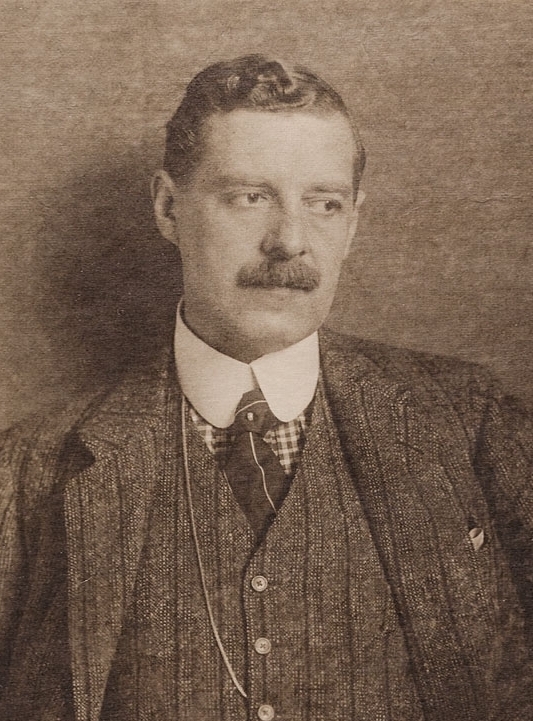
Rafael Moneo
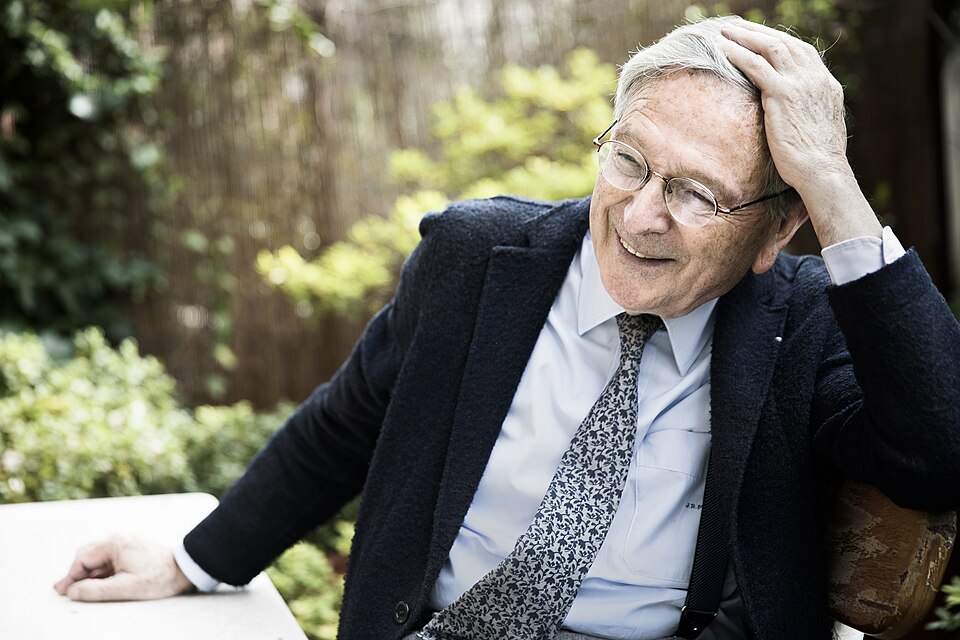
The Spanish architect who combined rigorous historical understanding with a restrained modernist practice, winning architecture's highest honours while maintaining an equally influential academic career.
Rafael Moneo is the most decorated Spanish architect of the twentieth century — Pritzker Prize winner, RIBA Royal Gold Medal recipient, Biennale Golden Lion laureate — and one whose buildings are consistently distinguished by their attention to site, material, and the weight of historical context. His career as architect and as teacher at Madrid, Barcelona, and Harvard has made him a central figure in the disciplinary self-understanding of European and American architecture since the 1970s.
Formation in Spain and Scandinavia
Moneo was born in Tudela, Navarre, in 1937. He studied architecture at the Madrid School of Architecture, graduating in 1961, and then worked in the Copenhagen office of Jørn Utzon — the Danish architect then completing the Sydney Opera House — from 1961 to 1962. The Utzon period gave Moneo close exposure to a practice that took the expressive potential of structure and material seriously without abandoning rigorous craft.
He returned to Spain and began independent practice while also teaching. His doctoral thesis on Aulus Hadrian's Villa contributed to an already sophisticated historical intelligence that would characterise his built work.
Built work and its qualities
Moneo's buildings share a quality of solidity and address to context that resists the spectacular in favour of the enduring. The National Museum of Roman Art in Mérida (1986) is often cited as his defining work: a brick structure whose arched interior spaces evoke Roman construction while remaining unmistakably contemporary, built directly above and around the excavated Roman remains it houses. The building is simultaneously archaeological shelter, museum, and architectural argument.
Other significant works include the Atocha Railway Station extension in Madrid (1992), the Cathedral of Our Lady of the Angels in Los Angeles (2002), and the Prado Museum extension (2007). Each responds to its programme and its site without recourse to signature formal gestures.
A building should be at home in its place — not for a season, but for a century.
Teaching and writing
Moneo chaired the architecture department at Harvard's Graduate School of Design from 1985 to 1990, occupying the Sert Chair — a period during which he shaped American architectural education with the same seriousness he brought to practice. His book Theoretical Anxiety and Design Strategies in the Work of Eight Contemporary Architects (2004) examined the work of Stirling, Utzon, Venturi, Rossi, Eisenman, Gehry, Siza, and Koolhaas with a critical intelligence unusual in practitioner writing.
He has continued to practise, teach, and write from his Madrid base into the twenty-first century.